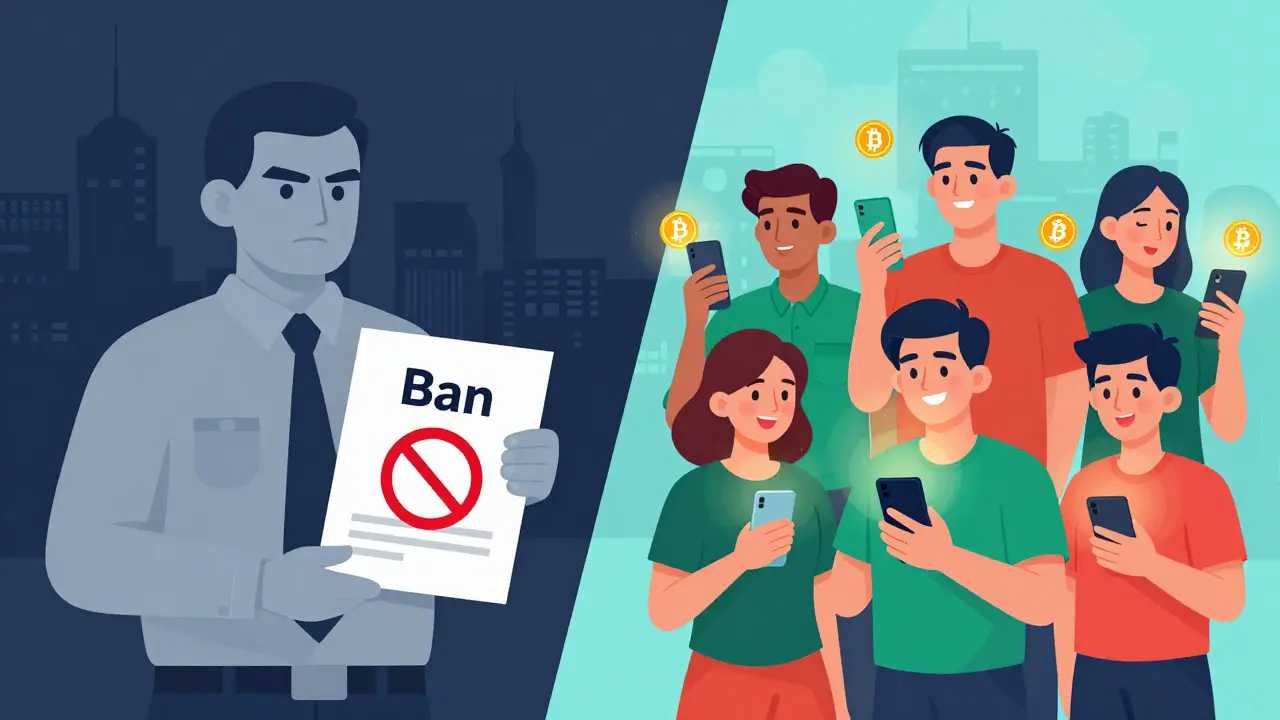
Imagine living in a country where the government says digital money is illegal, yet your neighbor just bought Bitcoin using their phone. This isn’t a secret rebellion; it’s daily life for over 600,000 Bangladeshis who use platforms like Binance, a global cryptocurrency exchange platform despite one of the strictest bans in the world. As of mid-2026, this paradox defines Bangladesh’s financial landscape. The government maintains a total prohibition on cryptocurrencies, joining a small club of nations including China, Egypt, and Nepal. Yet, the numbers don’t lie. Demand has outpaced enforcement, creating a vibrant, shadow economy that operates right under the nose of regulators.
You might wonder how this is even possible. If the ban is so strict, why aren’t accounts frozen or users arrested? The answer lies in the gap between policy on paper and reality on the ground. For many young Bangladeshis, crypto isn’t just about speculation; it’s a lifeline. With limited access to international banking channels and high inflation eroding savings, digital assets offer an escape hatch. But navigating this world requires understanding not just the apps, but the intricate web of local agents, peer-to-peer (P2P) networks, and regulatory loopholes that keep the market alive.
The Regulatory Paradox: Ban vs. Reality
To understand why 600,000 people are risking potential penalties, you first need to look at what the ban actually says. Unlike countries with specific laws criminalizing crypto ownership, Bangladesh relies on older financial statutes. The Bangladesh Bank, the central bank of Bangladesh responsible for monetary policy issued its first warning against Bitcoin in 2014. By 2016, they had escalated these warnings, citing violations of the Foreign Exchange Regulation Act of 1947 and the Money Laundering Prevention Act of 2012.
Here is the core contradiction: the government bans the currency but embraces the technology. In 2020, Bangladesh released a National Blockchain Strategy, explicitly recognizing blockchain as essential for digital transformation. So, while the underlying tech is praised for efficiency, the tokens built on it are treated as threats. This creates a confusing legal grey area. Is owning Bitcoin illegal? Technically, yes, because it violates foreign exchange rules. But there is no dedicated "Crypto Crime" statute. This ambiguity allows users to operate in a state of suspended animation-neither fully protected nor actively prosecuted en masse.
The regulatory bodies involved include the Bangladesh Bank for oversight, the Ministry of Finance for policy, and the Financial Intelligence Unit (FIU) for monitoring money laundering risks. However, enforcement remains fragmented. Banks can track transactions if you use a credit card directly, but most savvy users avoid this trail entirely. Instead, they rely on methods that leave little digital footprint for traditional banks to catch.
How Users Bypass the Ban: The P2P Ecosystem
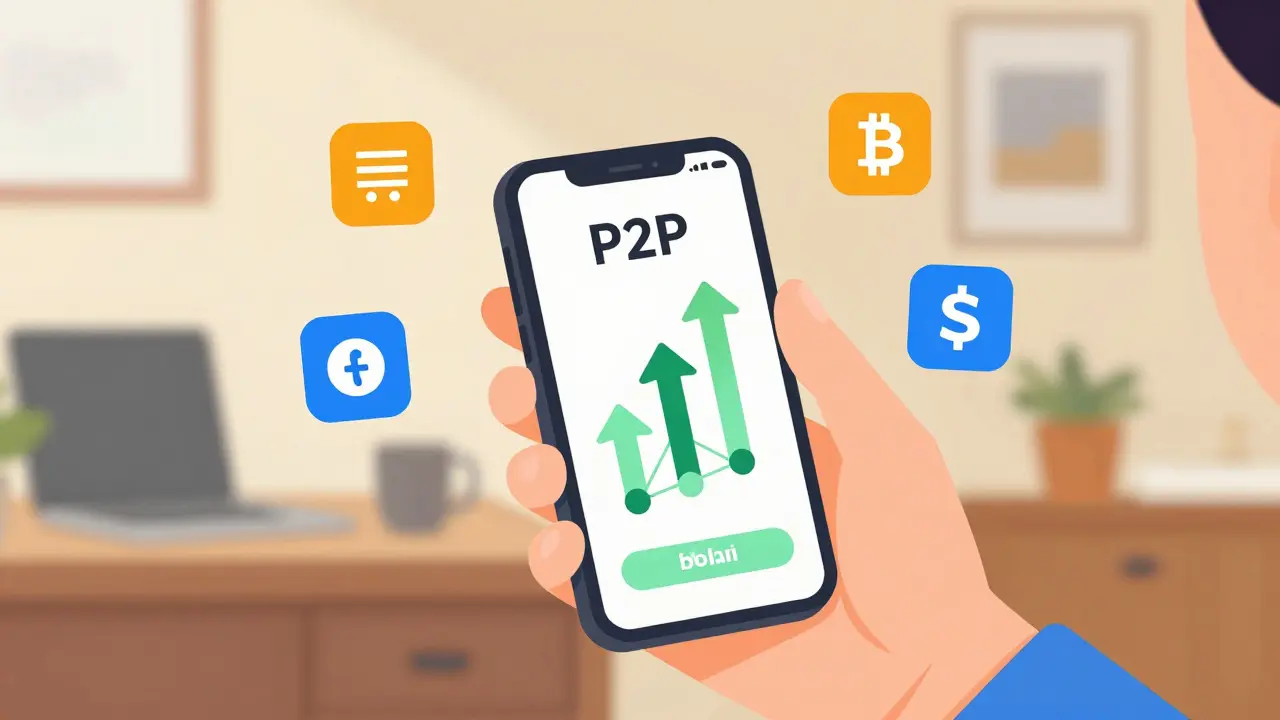
If direct bank transfers are risky, how do 600,000 users fund their wallets? They use Peer-to-Peer (P2P) trading. This is the engine driving the underground market. On platforms like Binance, P2P markets allow users to buy crypto directly from other individuals rather than through a centralized corporate entity. In Bangladesh, this ecosystem has evolved into a sophisticated network of local agents.
These agents act as intermediaries. You find a seller on the app, agree on a price, and transfer Bangladeshi Taka (BDT) via mobile financial services like bKash or Nagad, or through standard bank transfers to personal accounts. Once the agent confirms receipt, they release the US Dollar-pegged stablecoin (like USDT) or Bitcoin to your wallet. The agent charges a small commission, often lower than traditional forex fees. Because the transaction happens between two private parties using local payment rails, the link to cryptocurrency is obscured. To the bank, it looks like a regular payment to a friend or vendor.
This method solves two major problems for users:
- Currency Access: Many Bangladeshis struggle to get hard currency like USD for travel or business. Buying USDT gives them a digital dollar they can hold or convert later.
- Anonymity: Since no crypto exchange is directly processing the fiat currency, the Bangladesh Bank has a harder time tracing who holds what.
Additionally, apps like Binance and KuCoin remain accessible on the Google Play Store. While governments often try to block such apps, technical limitations and the ease of downloading APK files mean accessibility is rarely a true barrier. The friction isn’t in getting the app; it’s in moving money safely.
Risks for Traders: Compliance and Capital Controls
Living in a banned jurisdiction comes with real dangers. It’s not just about fear of arrest; it’s about operational hurdles. The biggest risk is capital control. When you sell crypto for BDT, you receive local currency. But if you want to move that money out of Bangladesh-for example, to pay for goods in India or invest overseas-you hit a wall. The government mandates that all foreign exchange transactions go through authorized dealers. Using crypto to settle cross-border payments is a direct violation of the Foreign Exchange Regulation Act of 1947.
For businesses, this is a nightmare. A textile exporter in Dhaka might want to pay a supplier in Vietnam quickly. Traditional SWIFT transfers take days and incur high fees. Crypto could do it in minutes for cents. But doing so risks freezing their business bank accounts if flagged by the FIU. Consequently, most commercial use remains hidden or non-existent, forcing companies to stick to slower, costlier traditional banking.
Taxation adds another layer of complexity. There is no specific crypto tax law. However, the National Board of Revenue treats any gains from crypto under the general Income Tax Ordinance of 1984. This means if you make a profit, you technically owe income tax. But since the activity is semi-illegal, few declare it. This creates a cycle of evasion that further angers regulators, leading to harsher rhetoric but rarely effective crackdowns.
| Method | Detection Risk | Cost/Fee | Speed | Legal Status |
|---|---|---|---|---|
| Direct Card Purchase | High (Bank tracks USD spend) | Medium (Exchange fees) | Instant | Illegal (Violates Forex Act) |
| P2P via Mobile Wallets | Low (Looks like normal transfer) | Low (Agent commission) | Fast (Minutes to hours) | Grey Area (Enforced loosely) |
| Traditional Banking | None | High (Forex spreads + fees) | Slow (Days) | Legal |
Expert Opinions: Why Bans Fail
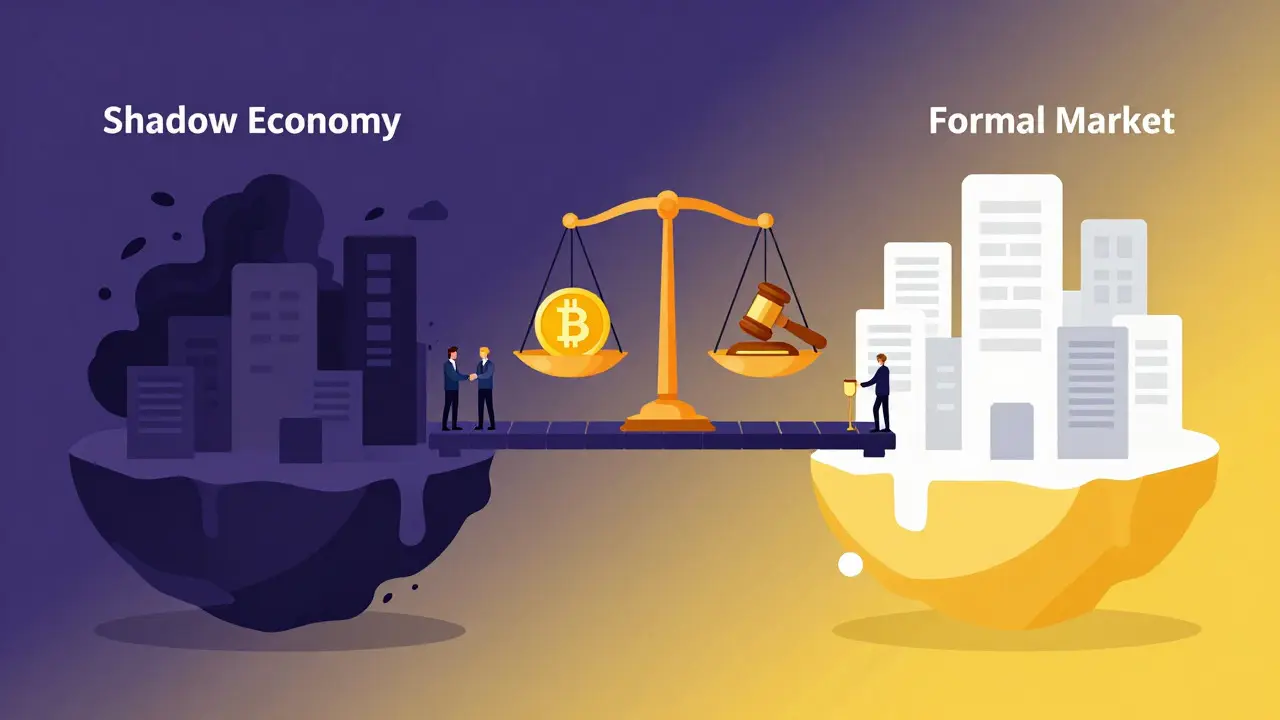
The disconnect between policy and practice hasn’t gone unnoticed by experts. Dr. B M Mainul Hossain, a professor at Dhaka University and director of its Institute of Information Technology, argues that "banning is not a solution." He points out that sitting back and doing nothing ignores the economic realities facing citizens. According to Professor Hossain, the government should focus on transparent usage where identity concealment isn't necessary, rather than trying to crush demand.
His argument aligns with global trends. Look at India, which initially considered a ban but eventually adopted a severe restriction model, taxing crypto gains while allowing investment. Or Nigeria, where banking blocks failed to stop adoption, instead pushing users toward more opaque channels. Experts suggest Bangladesh should follow suit: regulate, monitor, and tax. This would bring the 600,000 users into the formal economy, generating revenue and reducing money laundering risks.
The current approach limits economic freedom. By treating crypto solely as a threat to financial stability, the government misses the opportunity to leverage blockchain for remittances, supply chain transparency, and financial inclusion. The 2020 National Blockchain Strategy hinted at this potential, but without lifting the crypto ban, the strategy feels hollow.
The Future: Will the Ban Lift?
As we move through 2026, pressure is mounting. The underground market is too large to ignore indefinitely. Enforcement agencies lack the resources to monitor millions of P2P transactions. Meanwhile, neighboring countries are developing clearer frameworks, making Bangladesh look increasingly isolated. Businesses are frustrated by compliance risks, and citizens are demanding better financial tools.
A complete reversal seems unlikely in the short term due to political inertia and fear of capital flight. However, a shift toward a "regulated tolerance" model is probable. This might involve licensing local exchanges, imposing strict KYC (Know Your Customer) rules, and integrating crypto transactions into the national tax system. Until then, the 600,000 users will continue to navigate the shadows, relying on trust-based P2P networks to keep their digital economies alive.
For now, the lesson is clear: prohibitions can slow down adoption, but they cannot kill demand. In Bangladesh, the people have voted with their wallets, proving that financial innovation thrives even in the most restrictive environments.
Is it illegal to own Bitcoin in Bangladesh?
Technically, yes. While there is no specific law criminalizing mere ownership, the Bangladesh Bank states that cryptocurrencies violate the Foreign Exchange Regulation Act of 1947 and the Money Laundering Prevention Act of 2012. This makes holding, trading, or facilitating transactions with crypto legally risky, though enforcement against individual holders is rare compared to institutional players.
How do Bangladeshis buy crypto on Binance safely?
Most users avoid direct credit card purchases to prevent bank detection. Instead, they use the P2P (Peer-to-Peer) marketplace on Binance. They connect with verified local sellers, transfer Bangladeshi Taka via mobile wallets like bKash or Nagad, and receive USDT or Bitcoin once the payment is confirmed. This method obscures the crypto link from traditional banking systems.
Why does Bangladesh ban crypto but support blockchain?
The government distinguishes between the technology and the asset. The 2020 National Blockchain Strategy recognizes blockchain's potential for efficiency and transparency in sectors like logistics and governance. However, cryptocurrencies are viewed as volatile, unregulated assets that threaten monetary sovereignty and facilitate money laundering, leading to their prohibition.
What are the risks of using P2P trading in Bangladesh?
Risks include fraud from unverified sellers, frozen bank accounts if transactions are flagged as suspicious by the Financial Intelligence Unit (FIU), and lack of consumer protection. Since the activity exists in a legal grey area, disputes are hard to resolve officially. Users must rely heavily on platform escrow services and seller reputation scores.
Will Bangladesh lift the crypto ban soon?
A full lift is unlikely in the immediate future due to regulatory caution. However, experts predict a shift toward regulated tolerance, similar to India or Nigeria. This could involve licensing exchanges and taxing profits, bringing the estimated 600,000+ users into the formal economy rather than leaving them in the underground market.
Leave a comments