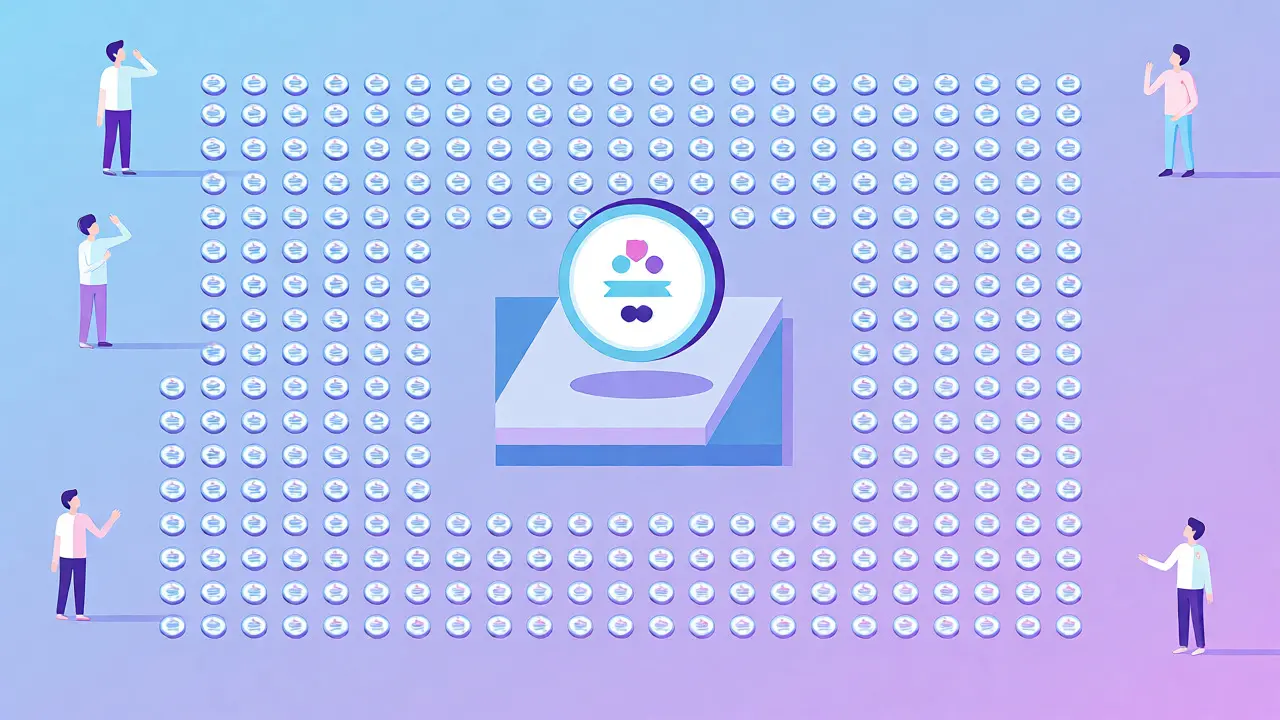
Most crypto airdrops are a lottery ticket you hope doesn't expire. You grind tasks, wait weeks, and pray the odds land in your favor. The Age of Tanks (A.O.T) campaign on CoinMarketCap flips this script. It’s not about luck; it’s about participation. With a fixed pool of 700 winners for 700 NFTs, the ratio is exactly 1:1. If you qualify, you win. No dice rolls, no mystery boxes.
This partnership between the blockchain strategy game Age of Tanks and the data giant CoinMarketCap isn’t just another marketing stunt. It represents a shift in how Web3 games acquire users. Instead of dumping tokens that crash within hours, they’re distributing utility assets-NFTs-that tie directly into the game’s economy. But before you rush to claim, you need to understand what you’re actually getting, how the mechanics work, and why this specific tank-themed universe might be worth your time beyond the free loot.
The Mechanics of the 1:1 Winner Ratio
Let’s cut through the noise. Traditional airdrops often promise millions in value but deliver dust to 99% of participants. This campaign operates differently. The prize pool is valued at approximately $60,000, distributed across 700 Non-Fungible Tokens (NFTs). The math is simple: one eligible participant equals one NFT reward. This structure removes the psychological friction of "did I miss out?" and replaces it with a clear checklist of requirements.
To participate, you don’t need to hold a massive amount of AOT tokens or stake ETH. The primary requirement is active engagement on the CoinMarketCap platform. You must maintain a logged-in status and follow the specific instructions listed on the coin details page. This usually involves verifying your email, connecting a compatible wallet, and sometimes completing social media actions. Once the campaign window closes, winners are selected based on these verification steps, not random chance among all clickers. Additionally, every winner receives an "Origin Tank NFT" after the event concludes, adding a layer of long-term value beyond the initial drop.
What Is Age of Tanks?
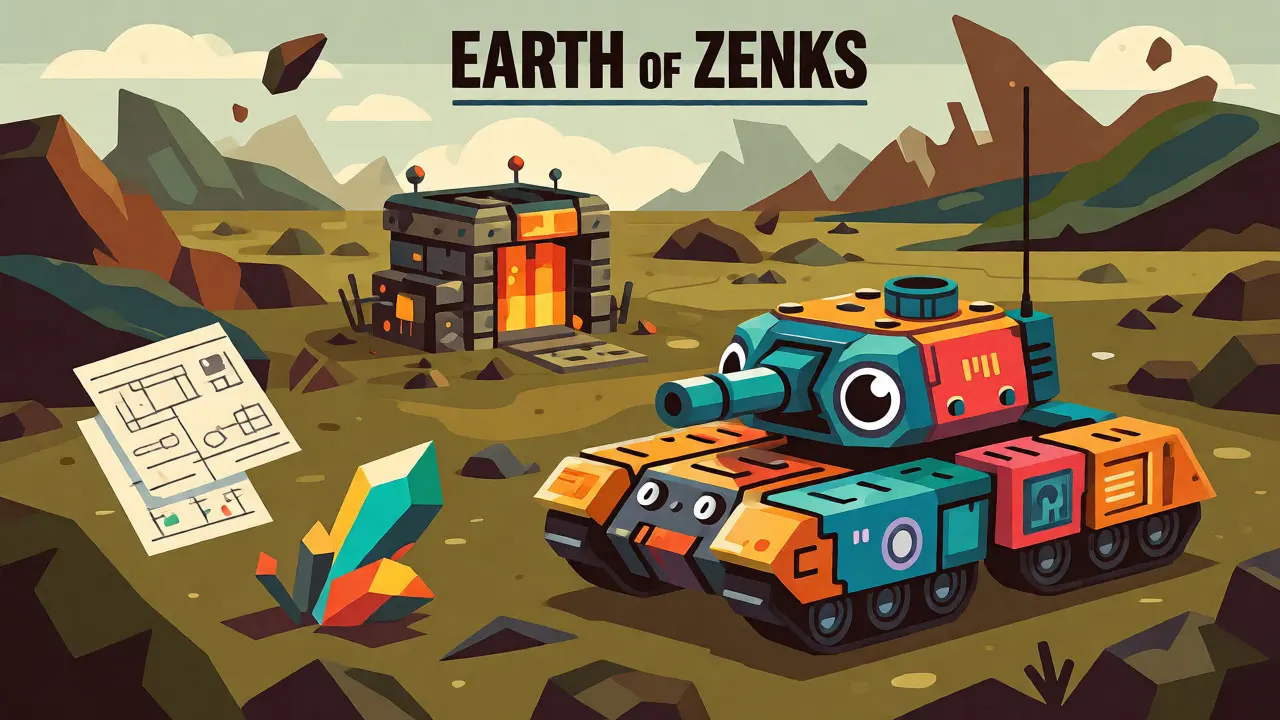
If you’ve ever played Hearthstone or Axie Infinity, you already grasp the core loop. Age of Tanks is a 3D strategy card game that blends Player versus Environment (PVE) campaigns with competitive Player versus Player (PVP) battles. But instead of wizards and dragons, you’re commanding armored vehicles in a post-apocalyptic world called Earth Zero.
The lore is surprisingly deep for a play-to-earn title. Earth Zero is a planet where sea transport is useless and flight is impossible. Dominance comes from land power. The central resource is Brodium, a volatile substance discovered by accident. To harness its energy, players refine it into AOT, the purified form used to power their machines. Champions-your avatars-are driven by either idealism (uniting the planet) or greed (hoarding resources). These motivations shape the guild alliances and conflicts you’ll encounter.
The gameplay revolves around crafting. You collect blueprints for weapons and armor, combining traditional tech with futuristic modifications. These components go to Iron Forges, which serve as the game’s economic hubs. Here, you assemble tanks. Each tank consists of four distinct sections, each with unique skill sets and battlefield traits. This modularity means no two tanks play alike. You can build a fast scout vehicle or a heavy siege breaker, depending on your strategy. The real twist? Your assembled tanks are minted as NFTs. They aren’t just pixels in a database; they are verifiable digital assets you can trade on the marketplace.
Crafting and Progression: More Than Just Clicking
In many crypto games, progression feels like a treadmill. You click, you wait, you repeat. Age of Tanks attempts to break this cycle with a dynamic leveling system. As you advance through campaign stages, your champions gain experience points (XP). Higher levels unlock better blueprints and more efficient forging times. This creates a natural retention loop: playing improves your efficiency, which makes future play more rewarding.
You have two main paths for monetization. First, you can sell collected components directly to other players who lack the time to farm them. Second, you can invest those parts into building super tanks. These high-tier units are designed for conquest activities in the arena. Because each component has unique stats, optimizing a tank requires genuine strategic thinking, not just raw spending. This depth appeals to gamers who care about mechanics, not just token price charts.
| Feature | Traditional P2E (e.g., Early Axie) | Age of Tanks (A.O.T) |
|---|---|---|
| Airdrop Structure | Randomized distribution, low win rates | 1:1 guaranteed ratio for qualified users |
| Asset Type | Often fungible tokens only | NFT-based modular tank components |
| Gameplay Focus | High entry cost, repetitive grinding | Strategy card mechanics, PVE & PVP balance |
| Marketplace Utility | Selling entire pets/characters | Trading individual tank parts and full builds |
Why the CoinMarketCap Partnership Matters
Partnering with CoinMarketCap provides Age of Tanks with immediate credibility and reach. CMC is the default dashboard for millions of crypto investors. By running the campaign here, A.O.T taps into an audience that is already financially literate and looking for new opportunities. This isn’t just about getting downloads; it’s about acquiring users who understand the value of digital ownership.
Historically, A.O.T has run successful campaigns on other exchanges, such as a major MEXC initiative that distributed 110,000 tokens. However, shifting to NFTs via CMC signals a maturation of their ecosystem. They are moving away from pure speculation toward asset-backed engagement. For the user, this means the community you join is likely more stable and less prone to "pump and dump" volatility than typical meme-coin communities.
Step-by-Step Guide to Claiming Your NFT
Don’t let the technical jargon scare you off. The process is straightforward if you follow the rules precisely. Missing one step can disqualify you, even if you did everything else right.
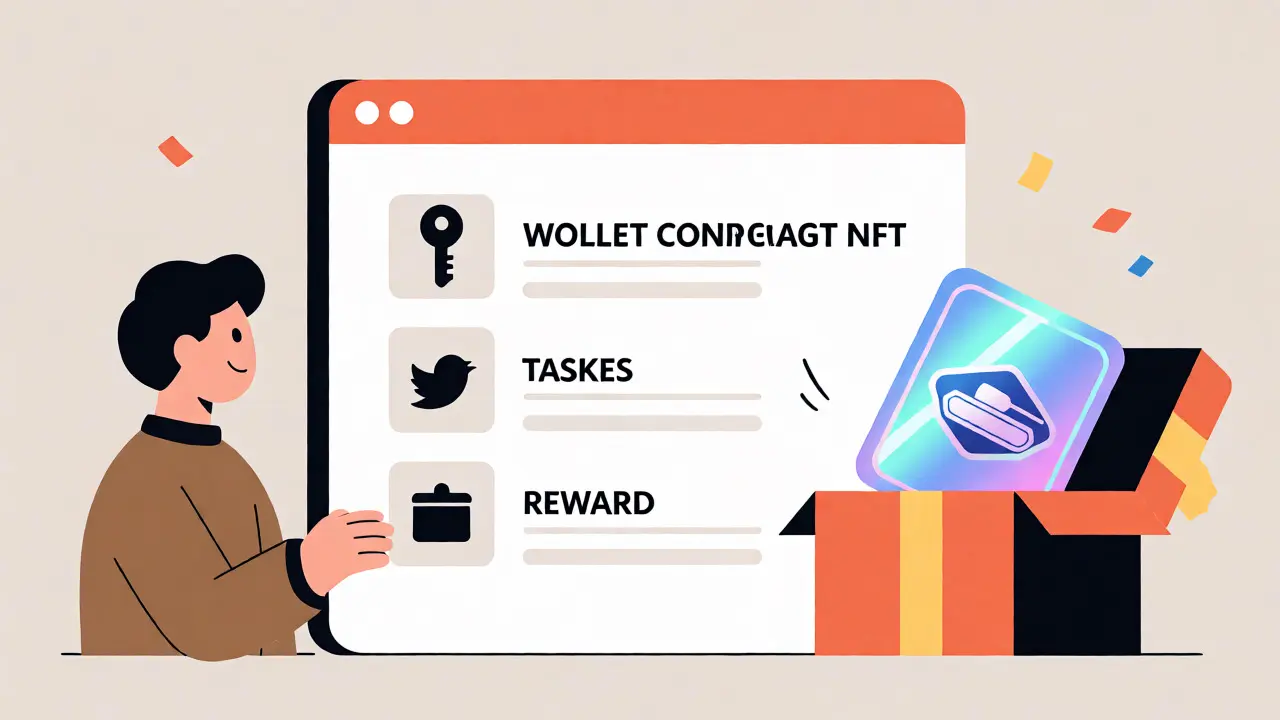
- Log In: Ensure you are signed into your CoinMarketCap account. Guest browsing won’t count.
- Navigate to Campaign: Go to the Age of Tanks (A.O.T) coin details page. Look for the banner indicating the active airdrop campaign.
- Verify Wallet: Connect a supported Web3 wallet. Make sure it’s funded with enough gas fees for any potential claim transactions later.
- Complete Tasks: Follow the specific instructions listed. This typically includes following official social media accounts and joining the Discord server.
- Submit Entry: Click the "Participate" or "Claim" button. Do not close the tab until you see a confirmation message.
- Wait for Distribution: Winners are announced post-campaign. Keep an eye on your CMC notifications and connected wallet address.
Potential Pitfalls and Realistic Expectations
No project is perfect, and hype often obscures reality. While the 1:1 ratio is attractive, the individual value of the NFT depends entirely on the secondary market demand for Age of Tanks. If the game fails to retain players, the NFTs may become illiquid. Always assess the team’s track record. Lucas Lu, known as "The Oracle," leads the creative direction, bringing experience from narrative-heavy titles. This suggests a focus on quality content, but execution is key.
Another consideration is the competition. The play-to-earn sector is crowded. Games like Axie Infinity still dominate mindshare, despite recent struggles. Age of Tanks differentiates itself with its 3D strategy elements and tank customization, but it needs to prove that these mechanics offer fun independent of financial incentives. Play the demo if available. If the gameplay isn’t engaging without money involved, the long-term sustainability of the NFTs is questionable.
Frequently Asked Questions
Is the Age of Tanks airdrop really guaranteed for everyone?
Not for everyone, but for qualified participants. The campaign offers 700 NFTs to 700 winners. If you complete all required tasks on CoinMarketCap and are selected within the top 700 eligible entries, you receive an NFT. It eliminates random chance among the final cohort but requires strict adherence to participation rules.
What do I do with the Origin Tank NFT after winning?
You can use it in-game to boost your early progression, list it on the Age of Tanks marketplace for sale, or hold it as a speculative asset. Since it is minted on the blockchain, you retain true ownership regardless of whether the game servers shut down.
Do I need to buy AOT tokens to participate?
No. The CoinMarketCap campaign is primarily task-based. You generally do not need to purchase tokens to enter. However, holding some native currency might be required for gas fees when claiming or transferring the NFT later.
How does Age of Tanks differ from Hearthstone?
While both are strategy card games, Hearthstone is a centralized digital collectible card game where cards are owned by Blizzard. Age of Tanks is a blockchain-based game where your tank components are NFTs, meaning you can truly own, trade, and sell them outside the game environment.
What happens if I miss the campaign deadline?
You cannot claim the airdrop retroactively. However, you can still play the game and earn NFTs through regular gameplay and crafting. Future updates may introduce new events, so staying engaged with the community is the best way to catch subsequent opportunities.
Carolyn Newham
29 10 26 / 13:10 PMThe distinction between fungible tokens and NFT-based modular components is the most critical aspect of this campaign that casual observers often overlook. Traditional play-to-earn models frequently suffer from hyperinflation because they distribute identical, interchangeable units that flood the market simultaneously. By distributing unique tank parts with varying stats and utility, Age of Tanks creates a natural scarcity curve. This means the value proposition is not tied solely to the total supply count but to the specific desirability of individual assets within the game's economy. Furthermore, the requirement for active engagement on CoinMarketCap serves as a quality filter. It ensures that participants are already familiar with crypto infrastructure, reducing the likelihood of support tickets regarding wallet connections or gas fees. This partnership leverages CMC’s existing user base effectively, targeting individuals who understand digital ownership rather than just speculative trading. The 1:1 ratio for qualified users removes the 'lottery' anxiety common in other drops, replacing it with a clear incentive structure based on task completion. However, one must remain cautious about secondary market liquidity. If the player base does not grow concurrently with the NFT distribution, these assets may become difficult to sell. The team’s background in narrative-heavy titles suggests a focus on retention, which is vital for long-term asset viability. Ultimately, this approach represents a maturation in Web3 gaming marketing strategies.
Tom Kernan
30 10 26 / 15:32 PMWait hold up 🛑🛑🛑 I need to know if I have to connect my main wallet or can I use a burner?? 😰😰 Also does anyone else feel like this is too good to be true? 👀💸 I’m scared to click anything lol 🤡🤡
Erick Lanza
1 11 26 / 05:50 AMI find the notion of "guaranteed" rewards in decentralized ecosystems to be inherently deceptive. While the mechanics state a 1:1 ratio for qualified participants, the definition of "qualified" remains ambiguous until the selection process concludes. History demonstrates that projects often tighten criteria retroactively to manage costs. One must consider the opportunity cost of time spent verifying emails and connecting wallets versus potential returns. If the secondary market demand fails to materialize, these NFTs will remain illiquid digital artifacts with negligible real-world value. The emphasis on community stability is a rhetorical device used to mask underlying volatility risks. Investors should approach this with extreme skepticism rather than enthusiasm.
Brittney Cortez
1 11 26 / 21:57 PMErick u r being way too negative here. Look at the actual mechanics. Its not just luck its work. We do the tasks we get the loot. Simple as that. Dont overthink it. Just go claim it before u miss out again like last time.
Sandy Mandrake
2 11 26 / 04:01 AMI agree with Brittney but let's be real, Tom, stop spamming emojis. Use a burner wallet ALWAYS. Never connect your main holdings to some random game site you found on Twitter. Scammers love new airdrops. If you aren't careful you'll lose more in gas fees and potential hacks than you gain in free NFTs. Protect your keys first, ask questions later.