
You want to trade memecoins and tokens on Base, but you're tired of high gas fees or clunky interfaces? Enter Alien Base, a decentralized exchange (DEX) built specifically for the Base ecosystem. It promises the speed of a centralized exchange with the security of DeFi. But is it actually good, or just another hype-driven platform? I've spent time digging into its mechanics, fees, and community feedback to give you the straight scoop.
What Exactly Is Alien Base?
Think of Alien Base as the trading hub for the Base blockchain. Launched in August 2023, it isn't trying to be everything for everyone across all chains. Instead, it focuses intensely on one thing: making trading on Base smooth, fast, and cheap. It operates as an automated market maker (AMM) but wraps it in a user interface that feels familiar if you've ever used Coinbase or Binance. The core tech here is something they call Epsilon. This isn't just marketing fluff; it's a meta-aggregator system. When you place a trade, Epsilon doesn't just look at Alien Base's own pools. It scans the entire Base network for the best price. If a better rate exists on Uniswap or Aerodrome, Epsilon routes your trade there. This means you generally get the most efficient swap possible without needing to manually check multiple platforms.
The ALB Token and Economics
Every DEX needs a native token, and Alien Base has ALB. As of late 2026, ALB trades around $0.05854 USD. The total supply is capped at 510 million tokens. Why does this matter to you? Because holding ALB can unlock perks like reduced trading fees or governance rights. The emission rate sits at 3.75 tokens per second. This continuous distribution keeps liquidity providers incentivized. If you're providing liquidity-meaning you deposit pairs of tokens into pools so others can trade-you earn ALB rewards. It’s a classic flywheel: more liquidity leads to better prices, which attracts more traders, which generates more fees for LPs.
Key Features That Stand Out
Alien Base tries to bridge the gap between beginner-friendly simplicity and pro-level tools. Here is what you actually get:
- Limit Orders: Unlike many basic DEXs, you can set buy/sell limits. You don't have to watch the chart 24/7 waiting for a specific price hit.
- Stablecoin Focus: They offer a 0.03% fee for stablecoin swaps (like USDC to USDT). That is incredibly low compared to the standard 0.3% elsewhere.
- Token Generator: Want to launch your own meme coin? There’s a no-code tool that lets you deploy ERC-20 tokens on Base in seconds. No Solidity coding required.
- Yield Farming: You can stake ALB or other tokens to earn additional yield, often boosted by community incentives.

Fees and Costs: Where Does Your Money Go?
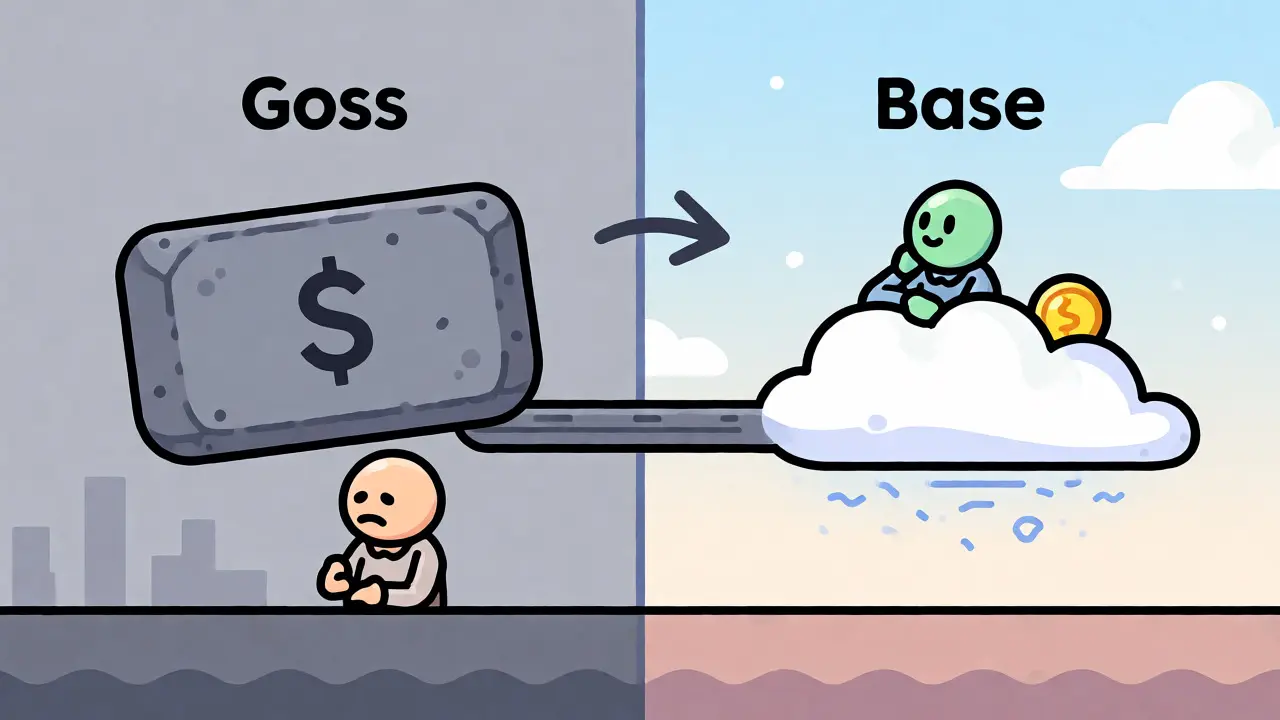
Costs are always the elephant in the room. On Ethereum mainnet, swapping tokens can cost $10-$50 in gas. On Base, it’s usually pennies. Alien Base adds its own trading fee on top of the network gas.
| Trade Type | Alien Base Fee | Typical DEX Fee | Notes |
|---|---|---|---|
| Standard Swap | ~0.3% | 0.3% - 1.0% | Competitive with major players |
| Stablecoin Swap | 0.03% | 0.1% - 0.3% | Excellent for arbitrage or moving funds |
| Gas Cost (Base) | <$0.01 | N/A (Layer 2) | Significantly cheaper than L1 |
User Experience and Interface
If you’ve never used a DEX before, the jargon can be scary. Alien Base mitigates this with a clean, dark-mode interface that looks like a web2 app. Connecting a wallet is straightforward-support for MetaMask, Coinbase Wallet, and others is standard. However, there is a learning curve. Understanding how Epsilon routes trades takes a moment. Sometimes you might see a "best route" warning that seems counterintuitive until you realize it’s aggregating liquidity from three different pools to save you slippage. For new users, this transparency is helpful once you get the hang of it. Experienced traders appreciate the advanced charts and order types that rival centralized exchanges.
Security and Risks
Is it safe? Alien Base uses standard smart contract practices for AMMs. However, remember that DeFi always carries risk. Smart contracts can have bugs, and tokens listed on the platform aren’t vetted by a central authority. Anyone can list a token, which means rug pulls are still possible. The platform itself has been operational since 2023, giving it some track record. Community ratings hover around 4.8/5 stars, suggesting users haven’t faced major catastrophic failures recently. Still, never put more money into a DEX than you can afford to lose, especially when trading volatile memecoins.
Who Should Use Alien Base?
This platform isn't for everyone. Here is a quick breakdown:
- Best For: Active traders on the Base chain who want low fees, limit orders, and easy access to new token launches.
- Good For: Developers launching simple tokens quickly without writing code.
- Not Ideal For: Users who only trade Bitcoin or Ethereum on Layer 1 and don’t care about Base-specific assets.
Final Verdict
Alien Base has carved out a solid niche. It’s not trying to beat Uniswap globally; it’s trying to be the best local player on Base. And honestly, it succeeds. The combination of the Epsilon aggregator, low stablecoin fees, and a user-friendly UI makes it a go-to choice for many in the community. Just keep an eye on the ALB token emissions and stay aware of the risks inherent in any decentralized platform.
Is Alien Base a scam?
No, Alien Base is a legitimate decentralized exchange operating on the Base network since 2023. While individual tokens traded on it can be risky due to lack of central vetting, the platform itself has a strong community reputation and functional infrastructure.
What wallet do I need for Alien Base?
You need a Web3 wallet compatible with the Base network, such as MetaMask, Coinbase Wallet, or Rabby. Ensure you have some ETH on Base to pay for transaction gas fees.
How much are the trading fees?
Standard swaps typically incur a ~0.3% fee. However, Alien Base offers a significantly lower 0.03% fee for stablecoin swaps (e.g., USDC to USDC), making it highly competitive for moving liquid assets.
Can I launch my own token on Alien Base?
Yes, Alien Base provides a no-code token generator tool. This allows users to create and deploy ERC-20 tokens on the Base blockchain within seconds without needing programming knowledge.
Does Alien Base support limit orders?
Yes, unlike many basic automated market makers, Alien Base supports limit orders, allowing you to set specific buy or sell prices rather than executing immediately at market rates.
Leave a comments