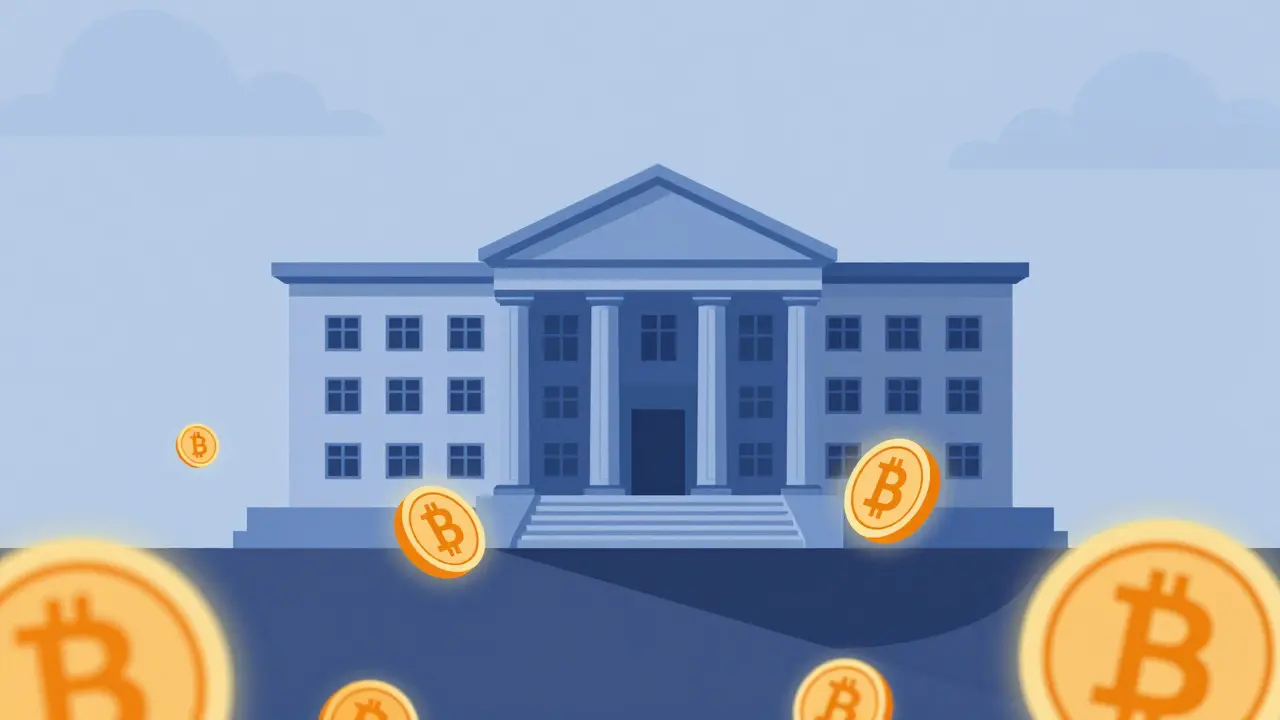
Imagine trying to trade digital assets in a country where the central bank has issued warnings for over a decade. That is the reality for anyone dealing with cryptocurrency in Bangladesh. As of March 2026, the nation maintains one of the strictest enforcement regimes in Asia. The government views virtual assets through a lens of financial security, prioritizing stability over innovation. This creates a complex environment where the lines between legal and illegal are often blurred by implicit bans rather than clear statutes.
Understanding the landscape requires looking beyond simple "yes or no" answers. While there is no specific law that explicitly criminalizes holding a Bitcoin wallet, the regulatory framework makes active participation dangerous. Authorities rely on existing financial regulations to clamp down on activities they deem risky. This approach has led to arrests, frozen assets, and a cautious underground market that operates in the shadows.
Who Controls the Crypto Space?
The primary authority overseeing financial activities is Bangladesh Bank, the central banking authority of Bangladesh responsible for monetary policy and financial stability. Since 2014, they have consistently issued statements warning citizens against using virtual currencies. Their stance is clear: cryptocurrencies pose a threat to the national financial system.
However, Bangladesh Bank isn't the only player. The Financial Intelligence Unit (FIU), an agency that monitors money laundering risks and financial crimes in Bangladesh plays a critical role. They track suspicious transactions and work to detect illicit flows involving digital assets. Additionally, the Ministry of Finance holds the power to influence future legislation, though they have yet to introduce specific crypto laws.
This multi-agency approach means enforcement can come from different angles. One day it might be a banking warning, the next a police raid on a mining farm. The lack of a single, unified crypto law creates uncertainty. Users often don't know which rule they might break until it is too late.
The Legal Framework Behind the Ban
Despite the absence of a dedicated cryptocurrency law, the government uses existing statutes to enforce restrictions. The Foreign Exchange Regulations Act of 1947, legislation governing foreign currency transactions and reserves in Bangladesh is a primary tool. Authorities argue that using crypto for foreign transactions violates these exchange controls.
Another key piece of legislation is the Anti-Money Laundering Act of 2012. This law targets financial crimes broadly. When combined with the Information and Communication Technology (ICT) Act, the legal framework regulating digital activities and cybercrimes in Bangladesh, it provides a robust mechanism for prosecution. In 2017, the Bangladesh Bank declared cryptocurrency illegal, citing these laws as the basis for their decision.
These regulations create a trap for the unwary. You might think owning a digital coin is harmless. However, if you use it to move money across borders, you could be violating the 1947 Act. If you use it to hide the source of funds, you trigger the 2012 AML Act. The legal system treats crypto activities as violations of broader financial laws rather than specific crypto offenses.
Real-World Enforcement Actions
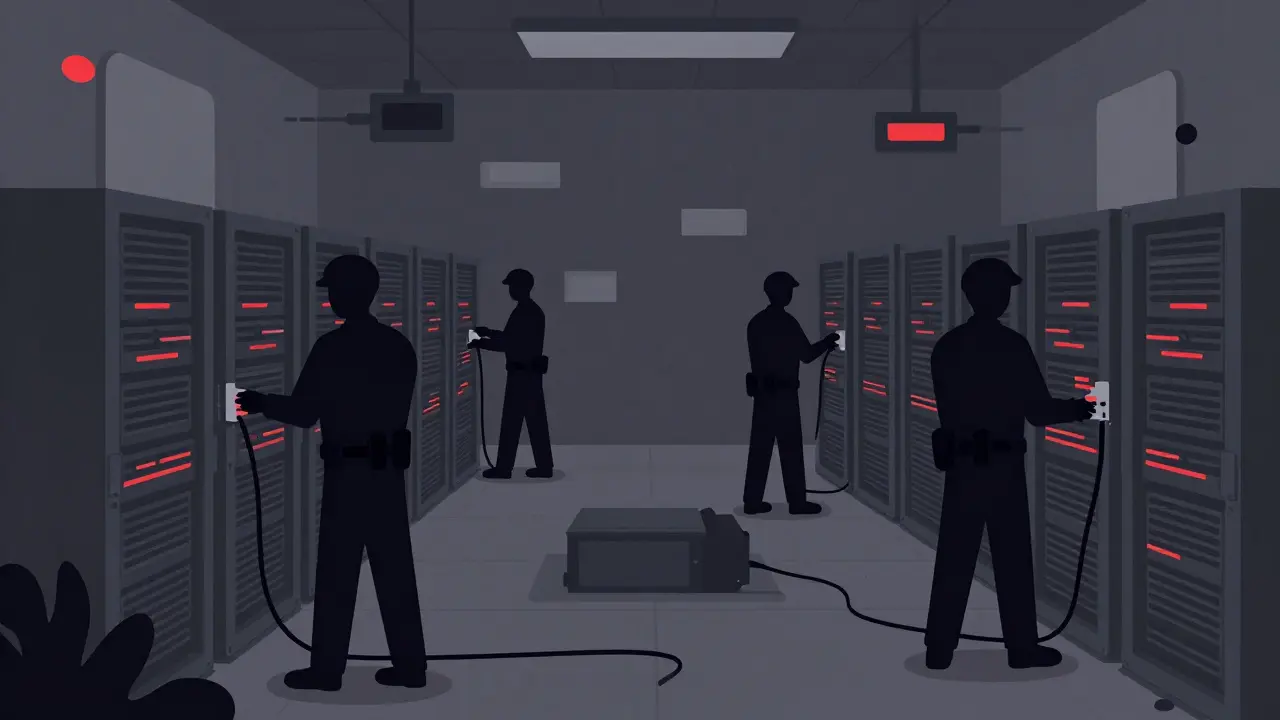
The theoretical rules become clear when you look at actual enforcement. In 2024, authorities in Dhaka arrested several individuals for operating clandestine crypto mining operations. These arrests sent a shockwave through the local community. The government treated mining as a direct violation of anti-money laundering laws.
Why target mining? Mining consumes significant electricity and often involves importing specialized hardware. The government views this as an unregulated drain on national resources. Furthermore, mining farms can be used to launder money through complex transaction chains. By shutting down these operations, the state sends a message: unauthorized crypto activity will not be tolerated.
Legal proceedings against offenders can lead to jail time. The Criminal Investigation Department (CID) has been instructed to prosecute cases where crypto is used for money laundering or foreign currency violations. While ownership itself might not always be a punishable offense, the moment you engage in trade or mining, you step into a legal grey zone that can turn dark quickly.
Blockchain Technology vs. Cryptocurrency
There is a strange contradiction in Bangladesh's policy. While they ban cryptocurrency, they embrace blockchain technology. The 2020 National Blockchain Strategy, released under the Bangladesh Computer Council, recognized the potential of distributed ledgers for government use.
This strategy highlighted applications like land records, identity systems, and e-governance. The government sees value in the technology for transparency and efficiency. However, they draw a hard line at private financial applications. This distinction is crucial. You can use blockchain for a supply chain project, but you cannot use it to issue a token or trade Bitcoin.
This split creates a unique environment for developers. You can build on the tech, but you cannot monetize it through tokens. It forces innovation into specific government-approved channels. It also highlights the confusion in the regulatory mind. They want the benefits of the ledger without the risks of the currency.
Regional Comparison: Bangladesh vs. Pakistan
Looking at neighbors provides context. Pakistan took a dramatically different path in 2025. They established the Pakistan Digital Assets Authority (PDAA), the regulatory body created in Pakistan in 2025 to oversee digital assets and exchanges. This body regulates exchanges and wallets openly.
Pakistan even allocated 2,000 megawatts for Bitcoin mining and formed a National Crypto Committee. Their informal crypto market reached an estimated $25 billion by 2023. Bangladesh, in contrast, remains isolated. While Pakistan embraces the asset class, Bangladesh doubles down on restrictions.
This divergence affects investment flows. Regional investors often bypass Bangladesh for more friendly jurisdictions. It also impacts the talent pool. Developers and entrepreneurs may leave for markets where they can legally build and earn. The gap between the two nations is widening as Pakistan integrates crypto into its economy.

International Compliance and FATF Standards
Global pressure is mounting. The Financial Action Task Force (FATF), an inter-governmental body that sets standards for combating money laundering and terrorist financing has specific guidelines for virtual assets. Recommendation 15 requires countries to regulate crypto service providers.
Bangladesh's current framework does not fully comply with these standards. The lack of explicit regulation creates gaps. International bodies worry that the ban might push activity underground, making it harder to monitor. This non-compliance becomes problematic as global adoption surges.
Compliance could force regulatory modernization. To align with FATF, Bangladesh might need to create a legal framework for oversight. This doesn't mean legalization, but it could mean registration and monitoring. The pressure to integrate with the global financial system may eventually soften the strict stance.
Underground Adoption and Risks
Despite enforcement, usage continues through informal channels. Anonymous wallets, particularly TRC20 wallets, are popular because they are harder to trace. The decentralized nature of trading makes monitoring difficult. People still want access to global markets.
This underground activity carries risks. Scams are rampant. The MTFE scam attracted thousands of investors before disappearing with their funds. Without legal recourse, victims have nowhere to turn. The lack of regulation means no consumer protection. If an exchange collapses or a wallet is hacked, the user bears the full loss.
Tax implications add another layer of complexity. There is no specific crypto tax regime. However, the National Board of Revenue applies the general Income Tax Ordinance of 1984 to transactions. This means profits are taxable, but reporting them could incriminate you. It is a catch-22 for users.
Future Regulatory Outlook
What comes next? The Ministry of Finance is positioned to lead future legislation. Current trends suggest continued restrictions, but the pressure is changing. The success of mobile money in Bangladesh proves the population is ready for digital finance.
International pressure and regional competition might force a reevaluation. The government may realize that a total ban hinders innovation. A shift towards regulated oversight is possible, though unlikely in the immediate future. For now, the message remains one of caution.
Investors and businesses must navigate this carefully. The environment is challenging. While the technology is accepted for government use, private financial use remains off-limits. The regulatory confusion is significant. Until clear laws are written, the risk of enforcement action remains high.
Is cryptocurrency legal in Bangladesh?
There is no explicit law criminalizing ownership, but the Bangladesh Bank has declared it illegal to use or trade. Enforcement occurs under existing financial laws, making active participation risky and potentially punishable.
Can I mine Bitcoin in Bangladesh?
Cryptocurrency mining is explicitly illegal. Authorities have arrested individuals for operating mining farms, treating them as violations of anti-money laundering and foreign exchange regulations.
Which laws are used to enforce crypto bans?
Enforcement relies on the Foreign Exchange Regulations Act of 1947, the Anti-Money Laundering Act of 2012, and the ICT Act. These laws are used to prosecute violations related to currency control and financial crimes.
Is blockchain technology banned in Bangladesh?
No, blockchain technology is not banned. The government supports it for public sector use like land records and identity systems, but they distinguish this from private cryptocurrency usage.
How does Bangladesh compare to Pakistan on crypto?
Pakistan has adopted a progressive approach with the PDAA and mining support, while Bangladesh maintains strict restrictions. This divergence makes Bangladesh an outlier in the South Asian region.
kavya barikar
27 03 26 / 02:03 AMThe distinction between technology and currency remains a critical point of confusion for many investors in the region. Stability is often prioritized over individual financial freedom in these jurisdictions. It creates a difficult situation for anyone trying to navigate the digital asset space safely. One must understand the existing legal frameworks before engaging. The warnings from the central bank are not merely suggestions.
aravindsai pandla
27 03 26 / 03:53 AMThe regulatory environment described here highlights a significant disconnect between policy and practice. Authorities utilize existing statutes to enforce restrictions on new technologies. This approach creates ambiguity for citizens who wish to participate in the market. The lack of specific legislation leaves room for interpretation by enforcement agencies. Individuals often face prosecution under laws not originally intended for digital assets. Such a framework discourages legitimate innovation within the financial sector. It is essential to recognize the severity of these enforcement actions. The comparison with neighboring countries underscores the isolation of the current stance. Regional cooperation could potentially mitigate some of these risks. However, the current trajectory suggests continued strict control. Investors should proceed with extreme caution in this environment. The legal precedents set here may influence future policies. Understanding the specific acts cited is crucial for compliance. No one should assume ownership is without risk. The situation requires careful legal assessment before any action is taken.
namrata singh
27 03 26 / 18:57 PMIt is truly heartbreaking to see how much fear is instilled in the community. People are afraid to even discuss their holdings openly with friends. The atmosphere of suspicion surrounding digital assets is palpable in every conversation. One wonders how long this tension can be sustained without a major shift. The potential for economic growth is being stifled by these heavy-handed measures. It feels like a battle between progress and control that will drag on for years. Many talented individuals are simply leaving because they cannot work here. The loss of human capital is a tragedy that the government might regret later. We are watching a slow erosion of trust in the financial system. Yet there is a quiet resilience among those who continue to trade. They find ways to operate despite the overwhelming odds against them. This underground network is a testament to human adaptability in the face of restriction. It remains to be seen if the authorities will ever change their minds. The cost of maintaining this ban is higher than many realize. We must hope for a more balanced approach in the future.
DarShawn Owens
28 03 26 / 21:03 PMHey everyone, just wanted to share some thoughts on this situation. It seems like a lot of people are getting caught up in the legal technicalities. The human side of this story is what really stands out to me. Families are losing savings because they did not know the rules. It is important to be kind to those who are struggling with these regulations. We should support each other while navigating this complex landscape. Information sharing can help prevent others from making the same mistakes. The goal should be safety and understanding rather than judgment. Let us hope that things get clearer for everyone soon. Communication is key in these uncertain times. We all want to see a stable environment for digital finance. Keep looking out for one another during this transition period.
Andy Green
30 03 26 / 05:20 AMThe intellectual capacity required to understand these regulations is often underestimated by the general populace. Most individuals lack the sophistication to navigate such a nuanced legal landscape effectively. They blindly follow trends without considering the underlying geopolitical implications. This ignorance is precisely why such strict enforcement mechanisms are deemed necessary by the state. The average citizen cannot comprehend the macroeconomic stability required to maintain a sovereign currency. Allowing unregulated digital assets would undermine the very foundation of the national economy. It is a naive perspective to suggest that innovation should supersede financial security. The elite understand that control is paramount in any functioning society. Those who argue otherwise are simply ignoring the historical precedents of currency collapse. We must appreciate the foresight of the central bank in protecting the populace from their own folly. The distinction between blockchain utility and speculative currency is clear to the educated mind. Only the uninitiated fail to see the inherent risks in decentralized finance. Regulatory bodies are not acting out of malice but out of necessity. The preservation of order requires sacrifices that the masses are unwilling to make. We should not romanticize the struggle of those who operate outside the law. True progress comes from compliance with established institutions. History will vindicate those who maintained the strict boundaries of financial regulation.
Zion Banks
30 03 26 / 11:32 AMYou think they are protecting you but they are just consolidating power for themselves. The central bank knows exactly what is happening and they do not care about your money. They want to track every single transaction you make in the digital space. This is about control and surveillance not about financial stability at all. The mining bans are a cover to stop people from becoming independent. They fear a currency they cannot manipulate or devalue at will. Look at how they use the old laws to crush new technology without cause. It is a coordinated effort to keep the population dependent on the state. The arrests are just warnings to scare everyone else into submission. Do not trust the narrative they are pushing about safety and security. They are building a system where you have no privacy left. The underground market is the only place where true freedom exists right now. Wake up to the reality of what is happening to your financial rights. They will not stop until they have total control over every asset. This is the beginning of a much larger crackdown on personal liberty. You are being lied to by the very people who claim to protect you. It is time to realize the truth behind the enforcement actions.
Annette Gilbert
1 04 26 / 00:54 AMOh sure, just tell me how stable everything is when half the market is operating in the shadows. The government says one thing while the reality on the ground is completely different. It is hilarious how they claim to support blockchain while banning the actual currency. You can use the tech for land records but not for your own money. That makes perfect sense to the average bureaucrat who never touched a coin. They are trying to have it both ways and failing miserably at the attempt. The arrests show they are desperate to maintain the illusion of control. People will trade regardless of what the laws say on paper. It is just a matter of time before the system cracks under the pressure. The comparison with Pakistan is embarrassing for the local authorities. They are falling behind while their neighbors are moving forward. But I guess innovation is not really their priority in this region. Just another day of pretending the problem does not exist. The drama continues and the people pay the price for it.
vu phung
1 04 26 / 15:33 PMI hear your frustration regarding the regulatory dissonance in the current market ecosystem. The dichotomy between utility adoption and asset prohibition creates significant friction for stakeholders. We are seeing a misalignment of incentives between the policy makers and the user base. This regulatory arbitrage opportunity is being exploited by bad actors in the space. The compliance framework is not optimized for the velocity of digital asset transactions. We need to look at the on-chain data to understand the actual flow of value. The risk exposure for retail participants is significantly elevated due to this ambiguity. Market makers are hesitant to provide liquidity in such a constrained environment. The liquidity fragmentation is a direct result of these enforcement actions. We must consider the systemic risk this poses to the broader financial infrastructure. It is a complex game theory scenario where the Nash equilibrium is unclear. Hopefully, the regulatory bodies will update their compliance protocols soon. Until then, the volatility remains a key metric for risk assessment. We should monitor the FATF guidelines for any shifts in the stance. It is a challenging landscape for anyone trying to build compliant solutions.
Joshua T Berglan
1 04 26 / 16:51 PMThis is a really tough situation for everyone involved in the space! 😊 We need to stay safe and keep learning about the rules. 🚀 It is amazing how fast things are changing in the crypto world. 💡 People should be careful not to get caught up in the hype. 🛑 The government wants stability and we can understand that. 🤝 But we also want to use new technology for our benefit. 🌍 Let us support each other and share information responsibly. 👍 There is hope that things will get better with time. ⏳ Keep your heads up and stay informed about the news. 📰 We can make a difference by being smart investors. 💪 Let us build a better future together despite the challenges. 🌟
Kevin Da silva
2 04 26 / 00:02 AMthe lack of clarity is the biggest issue here. people dont know what is allowed and what is not. the government uses old laws to stop new tech. this creates a lot of risk for everyone. enforcement is random and unpredictable. you might get arrested for mining or trading. the comparison with pakistan shows the difference in approach. one country embraces it the other bans it. this affects investment and talent flow. developers are leaving for better markets. the underground market is risky and full of scams. there is no consumer protection for users. the tax situation is a mess too. reporting profits might get you in trouble. we need clear laws to fix this. the current system is not sustainable.
Andrew Midwood
2 04 26 / 18:58 PMtotally agree with you on the regulatory ambiguity point. the compliance overhead is just too high for most retail users. they are using legacy frameworks to tackle a modern problem. its like using a hammer to fix a watch. the risk reward ratio is totally skewed against the individual. i think the aml protocols are being applied way too broadly. this creates a lot of friction in the payment rails. liquidity is drying up because of the fear factor. we need a sandbox environment to test these things safely. without that the innovation just stalls completely. the tech stack is ready but the policy is lagging. hope they figure it out soon or people will just leave. the regulatory capture is real in this sector. keep fighting the good fight out there bro.
Kayla Thompson
4 04 26 / 02:42 AMIt is amusing to watch the masses panic over regulations that are barely enforced in practice. The narrative of strict enforcement is mostly theater for the public. Real money moves regardless of what the central bank says on paper. They issue warnings but the transactions continue through offshore channels. The average person is too ignorant to understand the loopholes. Only the sophisticated players know how to navigate this grey area safely. The government is trying to control the uncontrollable with outdated tools. It is a futile effort that only serves to protect their own interests. The ban is a signal of weakness not strength in the market. Anyone with a little knowledge can bypass these restrictions easily. The authorities are chasing shadows while the real activity happens elsewhere. Do not let the fear mongering dictate your financial decisions. True wealth is built by ignoring the noise and focusing on value. The system is broken and everyone knows it except the regulators. They will eventually have to admit defeat and legalize it. Until then the smart money is already gone.
Brijendra Kumar
5 04 26 / 04:15 AMYou are completely wrong about the enforcement being theater. People are going to jail for real reasons not just for show. Your arrogance about knowing loopholes is dangerous for everyone else. You think you are smart but you are just ignorant of the risks. The government does not care about your offshore channels or your money. They will freeze your assets and you will have no recourse. Stop acting like you are above the law and the consequences. This is not a game where you can just bypass the rules. The crackdown is real and it is getting worse every day. Your advice is reckless and could get someone arrested. You do not understand the severity of the situation at all. The authorities are watching and they are not playing around. You should be more careful with your words and your actions. This is a serious legal matter not a playground for you. Wake up and realize the danger you are in right now.
Ananya Sharma
7 04 26 / 02:14 AMThe regulatory confusion makes it impossible for normal people to participate safely.
Florence Pardo
8 04 26 / 11:46 AMIt is so difficult to navigate this space when the rules are constantly shifting and unclear for everyone involved. I can understand why so many people feel frustrated and anxious about their financial future. The uncertainty creates a lot of stress for families who are trying to save for their children. We see stories of people losing everything because they did not know the specific laws. It is heartbreaking to think about the impact this has on individual livelihoods. The government needs to consider the human cost of these strict enforcement policies. Innovation should not come at the expense of people's security and peace of mind. We need a system that protects users while allowing for technological progress. The current approach leaves too many vulnerable people exposed to risk. It is important that we listen to the concerns of the community members. They are the ones who are facing the real consequences of these decisions. Empathy should be a guiding principle in how these regulations are crafted. We want to see a future where everyone can participate safely. The path forward requires understanding and not just punishment. It is a complex issue that needs a compassionate solution. We must keep advocating for a better framework for all users.
Alicia Speas
9 04 26 / 20:54 PMThe situation described highlights the need for clear communication from regulatory bodies. Stakeholders require transparency to make informed decisions regarding their assets. The distinction between technology and currency is a vital point for policy makers. Collaboration between the government and the industry could lead to better outcomes. We should support initiatives that promote financial literacy and compliance. The goal is to create a secure environment for all participants. International standards provide a useful framework for local regulations. Alignment with global bodies can enhance trust in the financial system. It is important to maintain stability while fostering innovation. The community should work together to find constructive solutions. Respect for the law is essential but so is the protection of rights. We look forward to a more defined regulatory landscape in the future. The focus should remain on safety and sustainable growth. This approach will benefit the economy and the citizens alike. Continued dialogue is necessary to address the challenges ahead. We must remain hopeful for positive changes in the near term.