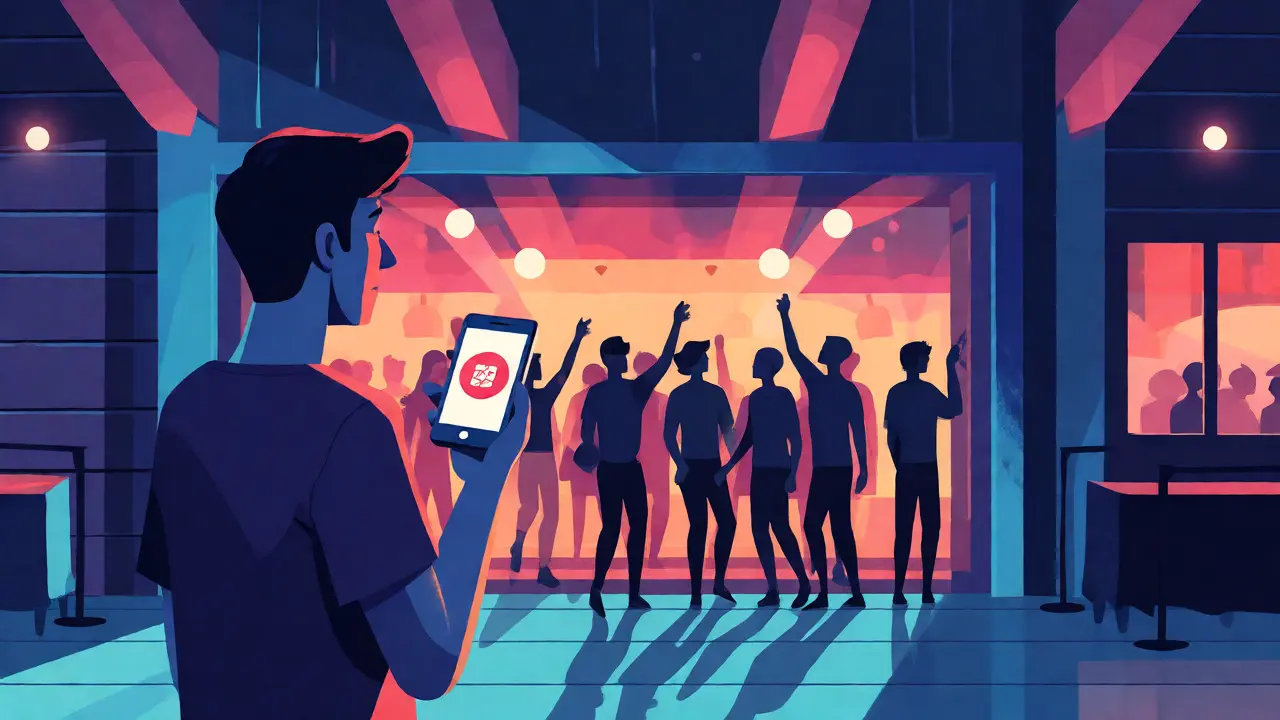
You bought a ticket for that sold-out concert three months ago. You paid a premium to a reseller because the official site was empty. On the day of the show, you arrive at the gate, scan your QR code, and hear the dreaded beep. The scanner says "Already Used." Someone else got in first. Your money is gone, and you are standing outside while the music starts inside.
This scenario isn't rare; it's the standard failure mode of modern ticketing. Centralized databases get hacked, PDFs get copied, and scalpers exploit the lack of transparency. Blockchain ticketing using Non-Fungible Tokens (NFTs) offers a fix. It isn't just about hype or digital collectibles. It solves specific, painful problems for both organizers and fans by changing who owns the data and how ownership is verified.
The End of Counterfeit Tickets
Traditional paper or PDF tickets are static. They have no memory. If you photocopy a paper ticket or screenshot a PDF, the copy looks identical to the original. The venue staff has to rely on visual checks or basic database queries that can be spoofed. This vulnerability costs the live events industry billions annually in fraud.
NFT tickets work differently. Each ticket is a unique token minted on a blockchain ledger. Think of it as a digital fingerprint that cannot be duplicated. When you buy an NFT ticket, you receive a cryptographic key that proves you own that specific seat. No one can forge this key without breaking the underlying encryption of the network.
Verification becomes instant and absolute. At the gate, the scanner doesn't just check if the code exists; it checks the blockchain state to see if that specific token is still assigned to your wallet address. If someone tries to use a copied image, the system flags it immediately because the private key required to sign the entry transaction is missing. This eliminates the "double-spend" problem where two people try to enter with the same ticket number.
Organizers Reclaim Control via Smart Contracts
For years, event organizers lost control the moment they sold a ticket. Once a fan bought a seat, the organizer had no say in how it was resold. Scalpers could list tickets on third-party sites for ten times the face value, keeping all the profit. The artist and the venue saw none of that extra revenue.
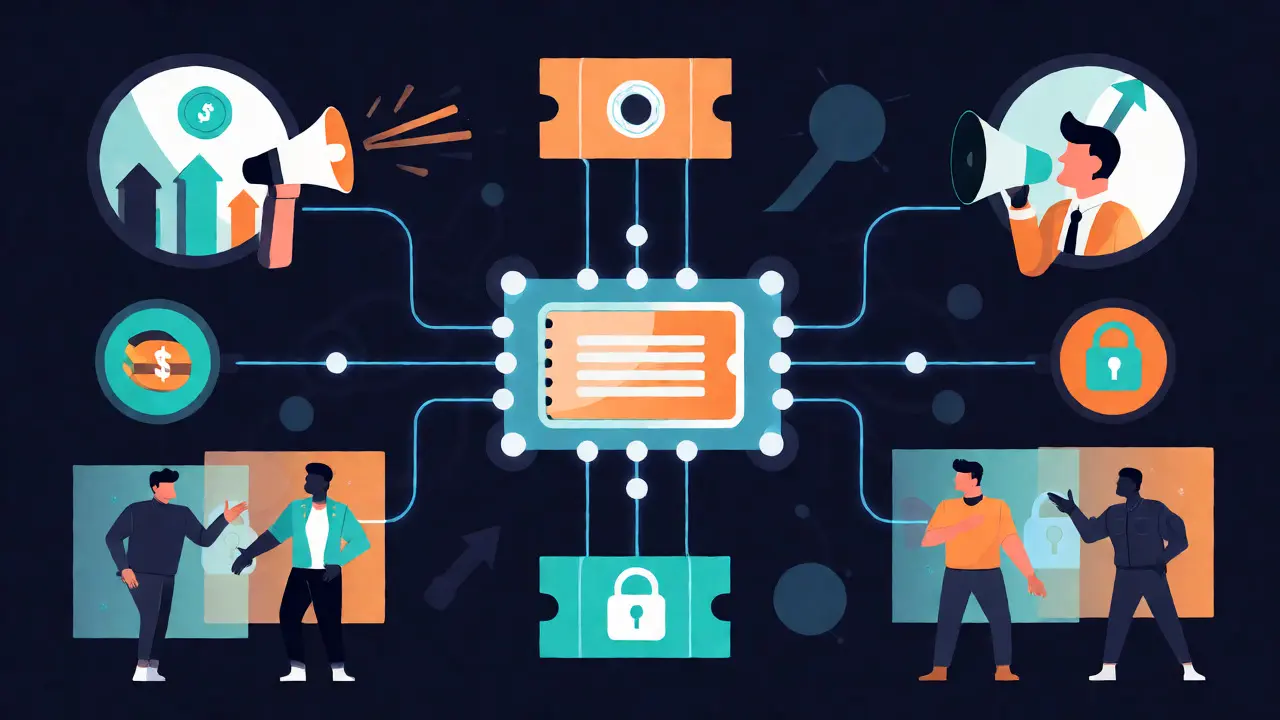
Smart contracts change this dynamic entirely. A smart contract is self-executing code stored on the blockchain. Organizers can program rules directly into the ticket before it’s even sold. For example, they can set a maximum resale price cap. If a fan tries to sell their ticket for more than 120% of the face value, the smart contract simply rejects the transaction. This stops price gouging dead in its tracks.
More importantly, organizers can embed royalty clauses. Every time an NFT ticket changes hands on the secondary market, the smart contract automatically routes a percentage-say, 5% to 10%-back to the original issuer. This turns every resale into a new revenue stream. You aren't just selling admission; you're creating an asset that pays you dividends every time it trades. This model aligns the incentives of the organizer, the artist, and the fan.
Transparency in the Secondary Market
Have you ever wondered why ticket prices fluctuate so wildly? In traditional systems, the secondary market is a black box. Platforms like StubHub or Vivid Seats act as opaque middlemen. You don't know who originally bought the ticket, how many times it’s been flipped, or what the true floor price is.
Blockchain provides a public ledger. Every transfer of an NFT ticket is recorded permanently and visibly. Anyone can trace the history of a ticket from the initial sale to the current holder. This transparency builds trust. Buyers can verify that a seller actually holds the ticket before transferring funds. Sellers can prove the authenticity of their inventory instantly.
| Feature | Traditional Ticketing | NFT Ticketing |
|---|---|---|
| Ownership Verification | Centralized database (vulnerable to hacks) | Decentralized ledger (immutable) |
| Counterfeiting Risk | High (easy to copy PDFs/paper) | Negligible (cryptographic uniqueness) |
| Resale Control | None after initial sale | Programmable via smart contracts |
| Secondary Revenue | Zero for organizers | Automatic royalties per trade |
| Data Ownership | Held by platform/middleman | Held by attendee (wallet-based) |
A Better Experience for Attendees
Let's talk about the user experience. Losing a physical ticket is stressful. Losing access to an email confirmation is annoying. With NFTs, your ticket lives in your digital wallet. It’s backed up across multiple devices and synced to the cloud. You don’t need to print anything or worry about screen brightness when scanning a barcode.
But the benefits go beyond convenience. Because the ticket is programmable, it can unlock experiences. Imagine buying a VIP pass that grants you access to a pre-show meet-and-greet. After the event, that same NFT could serve as proof of attendance, granting you early access to next year’s sales or exclusive merchandise drops. This transforms a disposable piece of paper into a lasting digital souvenir.
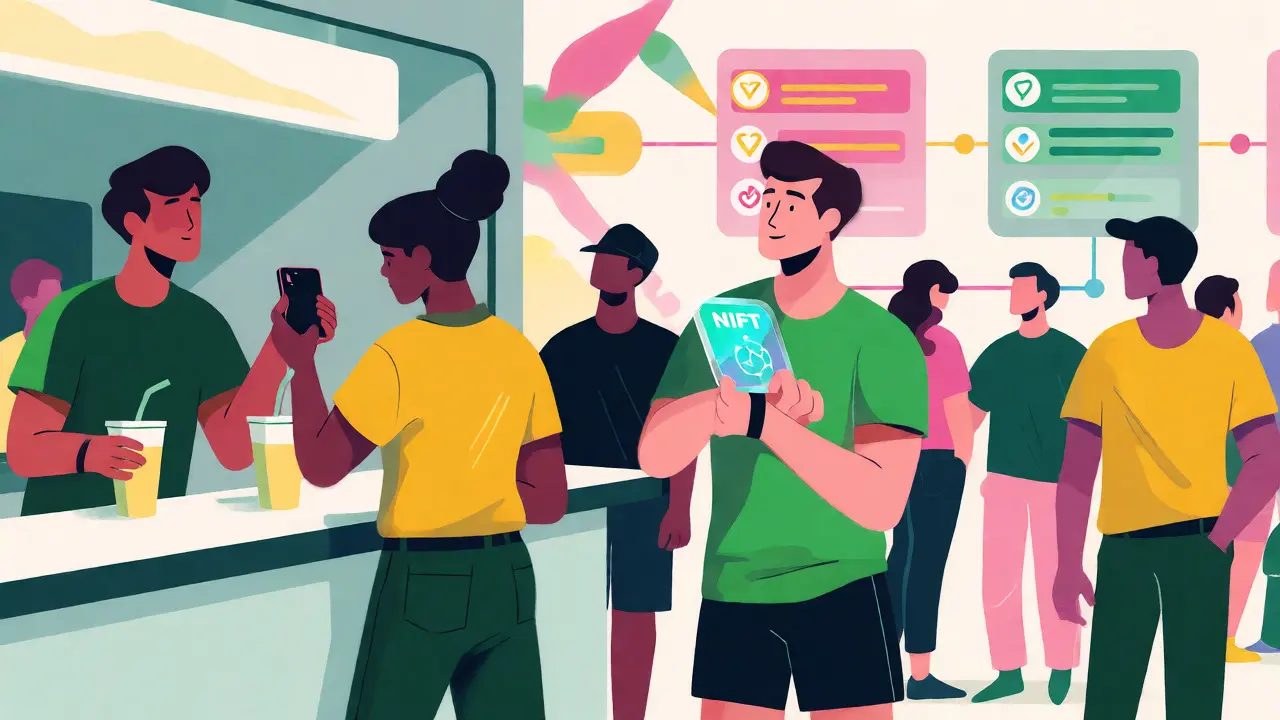
Payment integration is another win. Many NFT ticketing platforms allow you to use the ticket itself as a payment method inside the venue. You tap your phone to buy a beer, and the transaction debits from your linked account or crypto balance. This reduces friction at concession stands and increases average spend per head for the venue.
Eliminating Middlemen and Reducing Costs
Every layer between the buyer and the seller adds cost. Traditional ticketing involves printers, distributors, primary sellers, and secondary marketplaces. Each takes a cut. These fees often add 20-30% to the final price paid by the consumer.
Blockchain enables peer-to-peer transactions. While there are still platforms facilitating the initial sale, the architecture allows for direct transfers between wallets without heavy intermediary taxes. For large festivals, saving even 5% on millions of tickets translates to significant budget recovery. Furthermore, digital production eliminates printing costs entirely. There is no ink, no paper, no shipping logistics, and no waste.
Challenges and Implementation Reality
It’s not all smooth sailing. The biggest hurdle is usability. Not everyone knows what a MetaMask wallet is or how to manage seed phrases. Asking a casual concert-goer to navigate a decentralized application (dApp) can create friction. However, modern platforms are abstracting this away. Users might not realize they are interacting with a blockchain; they just see a clean interface that handles the tech behind the scenes.
Another concern is energy consumption. Early blockchains like Bitcoin were energy-intensive. But most ticketing projects now run on Proof-of-Stake networks like Ethereum (post-Merge), Polygon, or Solana, which have a negligible carbon footprint compared to traditional server farms. The environmental argument against NFTs is largely outdated for these efficient chains.
Finally, there is the regulatory gray area. Are NFT tickets securities? Utility tokens? Collectibles? As of late 2026, regulations are catching up, but clarity varies by jurisdiction. Organizers must stay informed about local laws regarding digital assets to avoid compliance issues.
Who Benefits Most?
Not every small local gig needs blockchain ticketing yet. The overhead might not justify the complexity for a 50-person meetup. However, high-demand events are different. Music festivals, sports championships, and major conferences suffer heavily from scalping and fraud. These are the sweet spots for NFT adoption.
Recurring events also gain a massive advantage. If you run a yearly marathon or a seasonal theme park, you can build a loyalty ecosystem. Past participants hold NFT badges that grant them permanent perks. This creates a community bond that traditional CRM systems struggle to replicate because they lack verifiable proof of participation.
The shift toward Web3 integration means we are moving from viewing tickets as receipts to viewing them as keys. Keys to doors, yes, but also keys to communities, discounts, and future opportunities. The technology is ready. The infrastructure is maturing. The main barrier left is education and seamless user interfaces.
If you are an organizer, ask yourself: How much revenue am I losing to scalpers? How many customer service hours do I spend verifying fake tickets? If the numbers are high, the switch to blockchain ticketing isn't a trend-it's a business necessity. For attendees, the promise is simple: guaranteed entry, fair pricing, and a ticket that remembers you.
Do I need to understand cryptocurrency to use NFT tickets?
Not necessarily. Many modern ticketing platforms offer "custodial wallets," meaning the platform manages the crypto aspect for you. You log in with an email and password, just like traditional services. The blockchain runs in the background. Advanced users can opt for self-custody wallets like MetaMask for full control, but it’s rarely mandatory for the average fan.
What happens if I lose my phone or wallet access?
If you use a custodial platform, you reset your password via email support. If you use a self-custody wallet, you need your backup seed phrase. Some platforms offer social recovery features, allowing trusted friends to help restore access if you lose your device, adding a safety net similar to bank fraud protection.
Are NFT tickets environmentally friendly?
Yes, mostly. Most ticketing blockchains use Proof-of-Stake consensus mechanisms (like Ethereum post-Merge, Polygon, or Solana). These consume significantly less energy than Proof-of-Work chains or even traditional centralized data centers running legacy ticketing software. The carbon footprint per ticket is minimal.
Can I still resell my NFT ticket?
Absolutely. That is one of the core features. You can list your ticket on compatible marketplaces. The difference is that the resale terms are enforced by code. If the organizer set a price cap or royalty fee, the smart contract ensures those rules are followed automatically during the sale.
How do venues verify NFT tickets at the door?
Venues use scanners connected to the blockchain network. When you present your ticket (usually via a QR code or NFC tap), the scanner requests a signature from your wallet proving ownership. The network confirms the signature and the ticket's status in real-time. If valid, the gate opens. This process takes seconds and requires no manual ID checks unless specified by security protocols.
Leave a comments