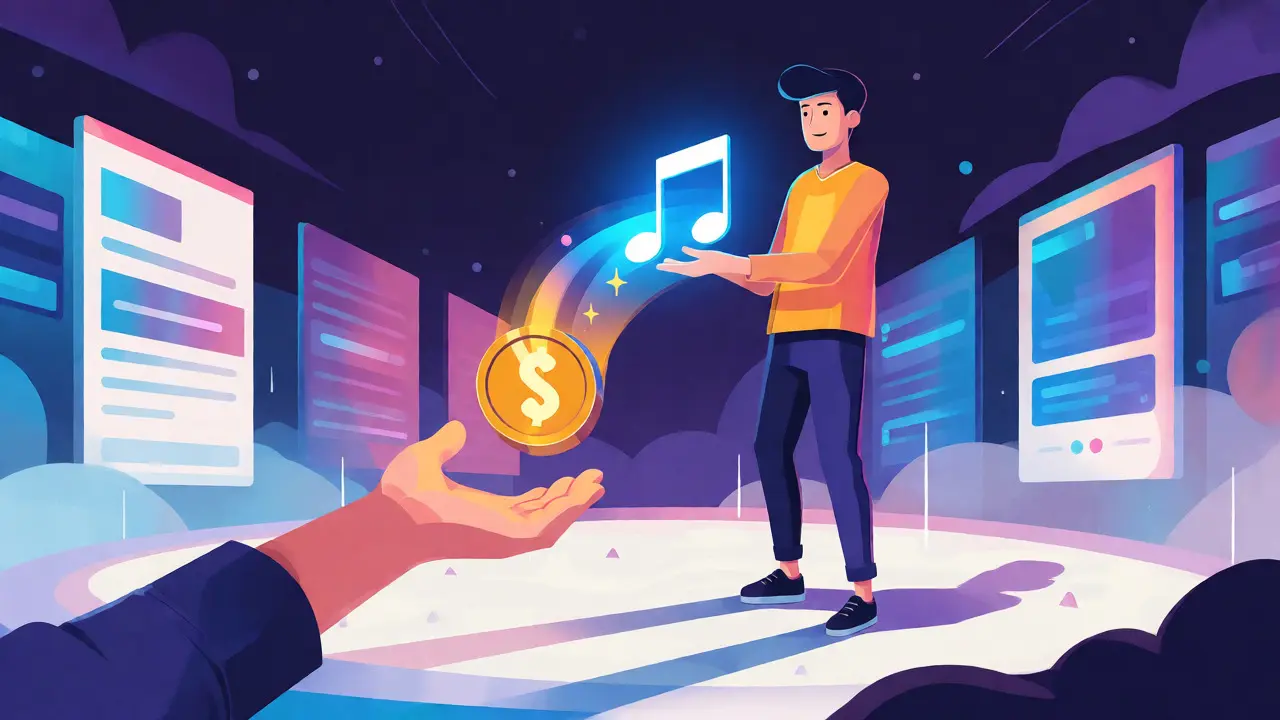
Imagine releasing a track today and getting paid every single time a fan resells it ten years from now. No lawyers chasing checks, no record label holding your money hostage for three years, just code doing its job. This isn't a hypothetical scenario anymore; it's the reality of Music NFTs is a unique digital asset on a blockchain that authenticates ownership of music-related content, enabling direct monetization and programmable royalties. For too long, musicians have been treated like suppliers in their own industry, scraping by on fractions of a cent per stream while intermediaries took the lion's share. If you're an artist wondering if this whole non-fungible token thing is just hype or a genuine lifeline, you need to look at what actually changes when you move from streaming platforms to blockchain-based distribution.
The End of the Middleman Tax
Let's be real about how the traditional music business works. You make a song, you sign with a label or distributor, and they handle the rest. Sounds nice, right? Except those "rest" handlers take anywhere from 70% to 90% of your revenue before you see a dime. It’s a structure designed for efficiency at scale, not fairness for the creator. Streaming Platforms are centralized services that aggregate music consumption but distribute revenue based on complex, often opaque algorithms favoring major labels. When you switch to selling via NFTs, you cut out the middlemen entirely. You sell directly to fans. That means you keep nearly the full proceeds. There’s no giant corporate entity deciding your worth based on playlist placement. You set the price, you deliver the file, and the smart contract handles the payment. It’s as simple as selling a vinyl record at a gig, except it’s global, instant, and doesn’t require shipping boxes across the ocean.
Programmable Royalties: Getting Paid Forever
This is probably the biggest technical advantage that most people overlook because it sounds complicated. In the traditional world, if you sell a physical album, you get paid once. If that fan decides to sell their copy on eBay five years later, you get nothing. The secondary market value evaporates from your pocket. With Smart Contracts are self-executing contracts with the terms of the agreement directly written into code, automating royalty payments on blockchain networks., you can embed a royalty clause directly into the NFT. Let's say you set a 5% royalty. Every time that specific NFT changes hands-whether it's sold on OpenSea, Rarible, or a specialized music marketplace-that 5% automatically flies back to your wallet. No invoices. No waiting periods. No disputes over whether the platform calculated the fees correctly. It happens on-chain, transparently and instantly. This creates a passive income stream that grows as your popularity grows. If your song goes viral and early collectors flip their tokens for profit, you win too. It aligns your incentives with your fans' investments.
Deepening Fan Relationships Through Utility
Owning a JPEG is cool, but owning a key to your world is better. Music NFTs aren't just receipts; they are access passes. Think about what makes a superfan tick. They don't just want the audio file; they want connection. They want to feel like insiders. Platforms like Audius is a decentralized music streaming platform that allows artists to upload tracks and retain control over monetization through native tokens. and Royal is a platform enabling artists to sell fractional ownership rights to their songs as NFTs, allowing fans to earn royalties. have figured this out. You can bundle utility into your NFTs. Maybe buying the limited edition NFT gets the fan a private Discord channel where you demo new ideas. Maybe it gets them front-row tickets to a local show in Wellington (or wherever you're playing). Maybe it includes stems so they can remix your track themselves. This transforms passive listeners into active participants. Instead of shouting into the void of social media comments, you're building a community around shared ownership. Fans who hold your NFTs are more likely to promote your work because they literally have skin in the game. Their financial interest is tied to your success.
Financial Independence for Independent Artists
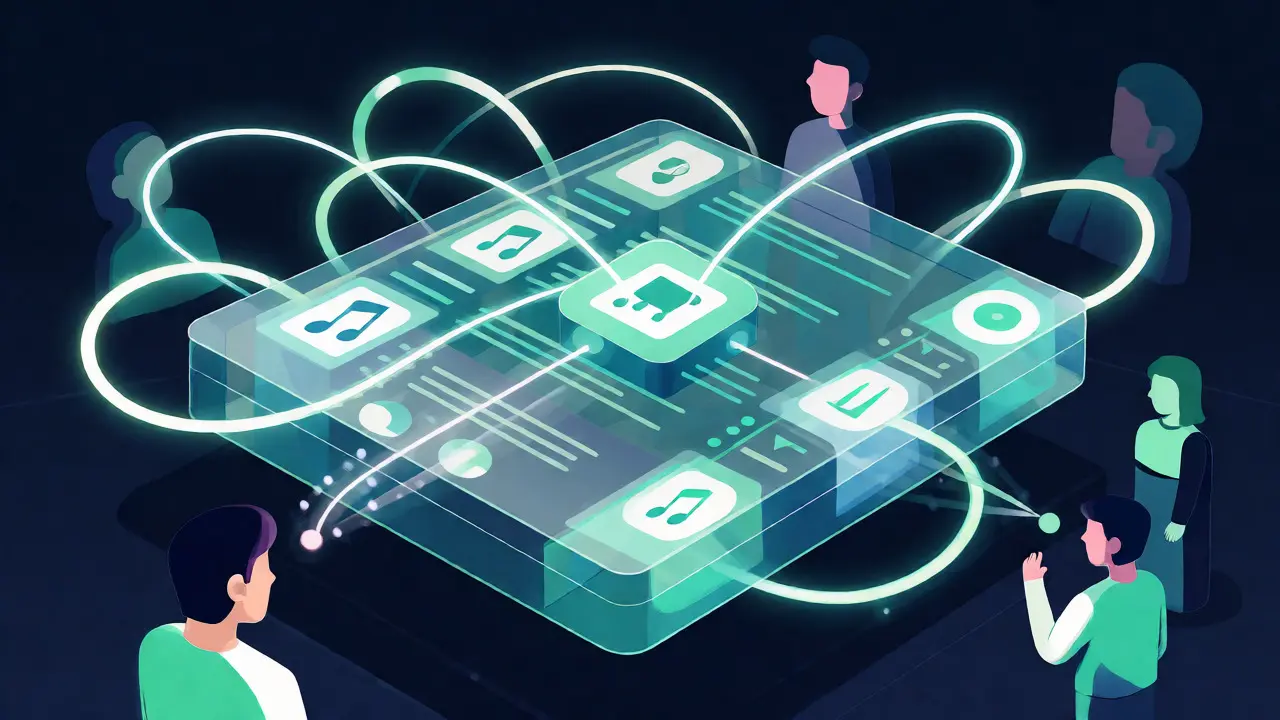
You don't need a million streams to survive anymore. In the old model, you needed massive volume to make rent because the per-stream payout was microscopic. With NFTs, you can rely on fewer, higher-value transactions. Selling 100 exclusive NFTs at $50 each brings in $5,000 immediately. Compare that to needing hundreds of thousands of streams on Spotify to make the same amount after accounting for the months it takes to accrue. This shift empowers independent artists who might never break into the mainstream radio circuit. You can build a sustainable career serving a niche audience that truly values your art. Fractional Ownership is the division of asset rights into smaller portions, allowing multiple investors to own shares of a single music track. models further lower the barrier for fans to support you, letting them buy small pieces of your catalog rather than committing to a large upfront cost. This democratizes patronage. It’s not just about big brands sponsoring tours anymore; it’s about your community funding your next studio session.
Transparency and Control Over Your Catalog
Have you ever tried to find out exactly how much you earned from a specific sync deal or international stream? It’s usually a black box. Blockchain brings radical transparency. Every transaction is recorded on an immutable ledger. You can see exactly who bought your work, when they bought it, and if they resold it. This data is invaluable for marketing and planning. You know your core supporters. You know which regions are engaging with your work. Plus, you retain ultimate control. If you decide to release a deluxe version or change the licensing terms for future uses, you’re not negotiating with a boardroom; you’re updating your strategy based on direct feedback from your holders. This level of autonomy reduces friction and lets you iterate quickly. You can experiment with different pricing tiers, drop surprise releases, or run flash sales without waiting for approval from a distribution manager who hasn't spoken to you in six months.
| Feature | Traditional Streaming | Music NFTs |
|---|---|---|
| Revenue Share | Artist receives ~10-30% | Artist retains ~80-100% |
| Secondary Sales | No benefit to artist | Automatic royalties (e.g., 5-10%) |
| Payment Speed | Monthly/Quarterly delays | Instant upon sale |
| Fan Relationship | Anonymous listener | Identified collector/community member |
| Ownership Rights | Platform controlled | User owned (provable) |
Overcoming the Technical Hurdles
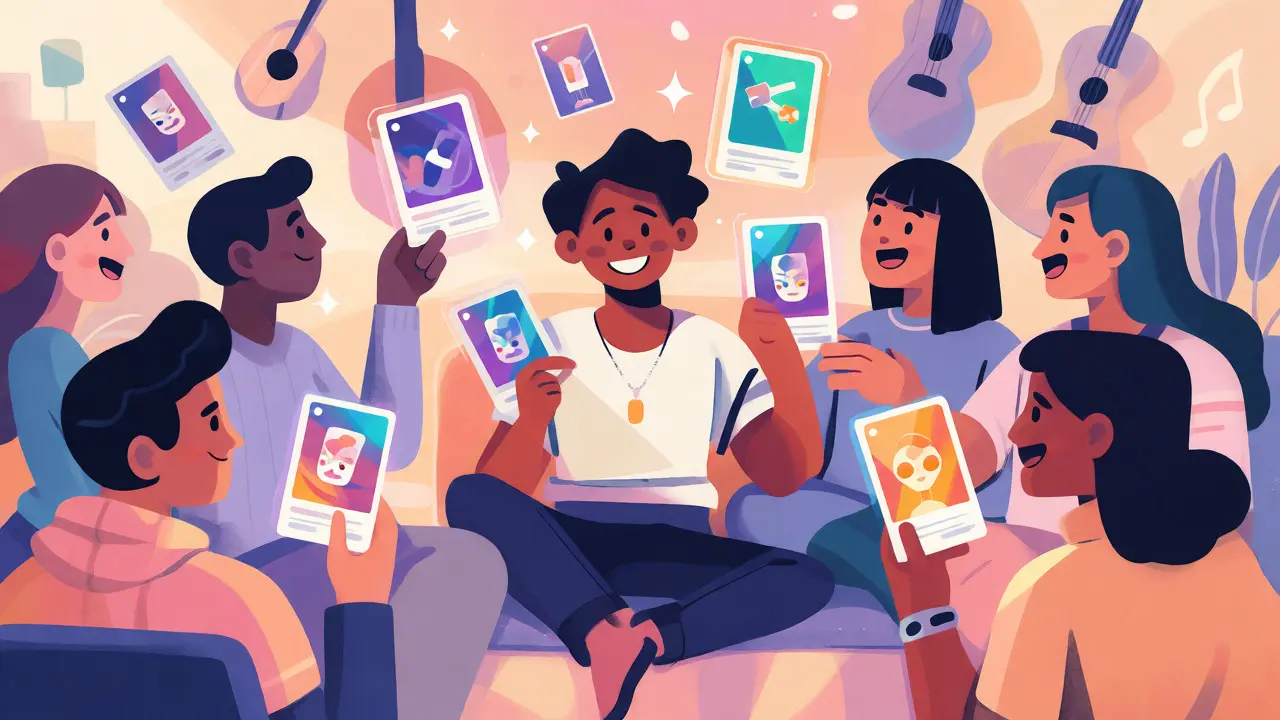
I hear you. "This sounds great, Stellan, but I'm a musician, not a coder." Fair point. Early on, setting up wallets and understanding gas fees was a nightmare. But the ecosystem has matured significantly by 2026. Platforms like Mint Songs is a service offering zero minting fees to help independent musicians tokenize their work without upfront costs. and others have abstracted away the complexity. Many now allow fans to pay with credit cards, hiding the crypto mechanics behind familiar interfaces. You don't necessarily need to become a blockchain expert overnight. Start small. Mint one track. See how your fans react. Use tools that handle the backend so you can focus on making music. The learning curve is flattening, and the support communities are robust. Don't let fear of tech stop you from claiming the revenue you deserve.
Frequently Asked Questions
Do I lose my copyright when I sell a music NFT?
No, typically you do not. Selling an NFT usually transfers ownership of the specific digital token, not the underlying intellectual property rights. Unless explicitly stated in the smart contract metadata, you retain the copyright to the music itself, meaning you can still license it, perform it, or sell other copies.
How much does it cost to mint a music NFT?
Costs vary by blockchain and platform. Ethereum can have high gas fees during congestion, but Layer 2 solutions like Polygon offer near-zero costs. Some platforms, such as Mint Songs, absorb these fees entirely, offering free minting for artists to remove financial barriers to entry.
Can fans listen to the music if they don't own crypto?
Yes. Most modern music NFT platforms integrate fiat currency options, allowing fans to purchase NFTs using standard credit cards. Additionally, many platforms provide web-based players so owners can stream their purchased tracks directly from the interface without needing to download files or manage wallets manually.
What happens if the NFT platform shuts down?
Because the NFT exists on the blockchain, it remains in your wallet regardless of the platform's status. However, you might lose the convenient user interface or streaming player provided by that specific site. To mitigate this, artists should ensure audio files are stored on decentralized storage systems like IPFS or Arweave, ensuring permanent accessibility.
Is it hard to explain NFTs to older fans?
It depends on how you frame it. Avoid jargon. Explain it as a "digital certificate of authenticity" or a "limited edition digital collectible." Focus on the benefits: exclusive access, supporting the artist directly, and potential resale value. Many older fans understand the concept of limited vinyl pressings, so drawing parallels there helps bridge the gap.
Leave a comments