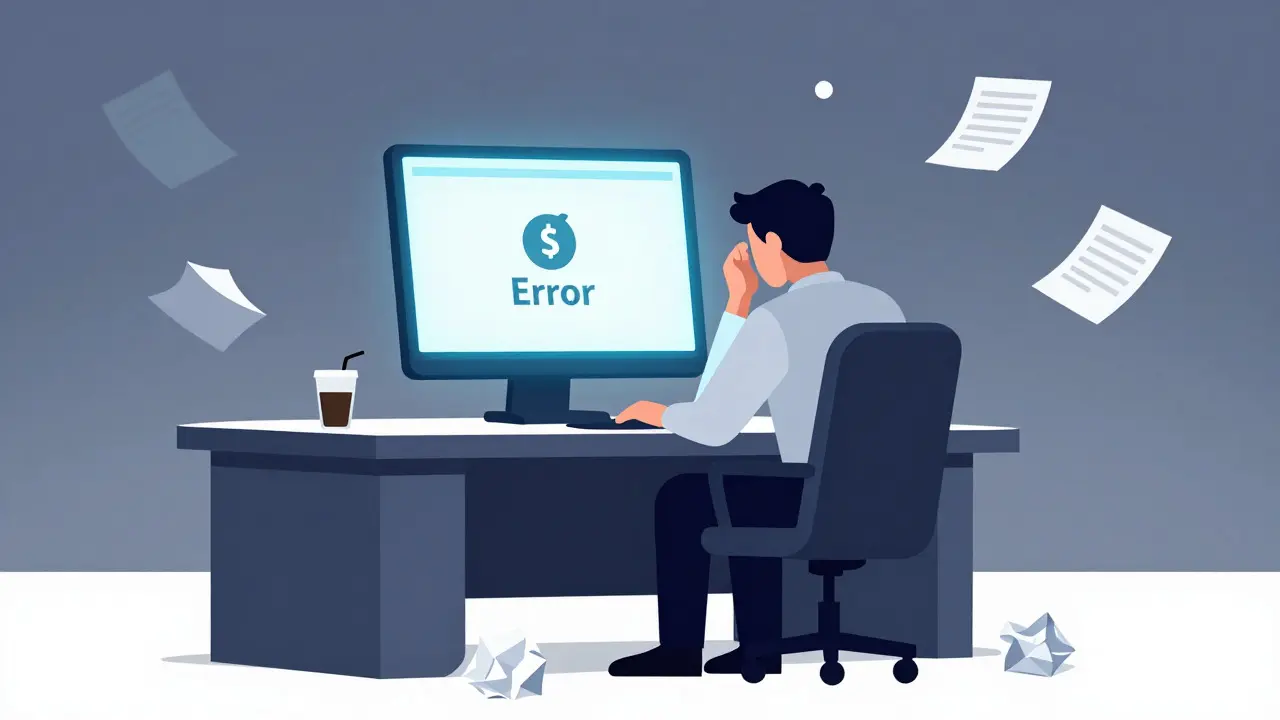
Imagine logging into your trading account to find your life savings gone. No warning. No email. Just a blank screen and a customer support line that has been dead for months. This wasn’t a glitch or a temporary server outage; it was the reality for thousands of users who trusted BitGlobal. If you are reading this because you found an old link to the platform or heard rumors about its return, stop right here. The short answer is that BitGlobal is not just closed; it is widely considered a textbook example of a crypto exit scam.
This review isn’t about comparing fee structures or listing supported coins. Those details are irrelevant now. Instead, we are looking at what went wrong, how the platform operated before it vanished, and why your due diligence matters more than ever in the current market. We will break down the red flags that were visible for years, the specific complaints from victims, and what this means for anyone still holding onto hope of recovery.
The Rise and Fall of BitGlobal
To understand the collapse, you have to look at where it started. BitGlobal launched in 2019 as a rebranding of Bithumb Global, which was supposed to be the international arm of the massive South Korean exchange Bithumb. On paper, this pedigree looked impressive. It suggested deep pockets, regulatory oversight from Korea, and a stable infrastructure. However, the reality was quite different. The entity operating BitGlobal was registered in the Seychelles, a jurisdiction known for loose financial regulations and minimal transparency.
For several years, the platform functioned like a typical centralized exchange (CEX). It offered spot trading, margin trading, and even over-the-counter (OTC) services for high-volume traders. They marketed themselves aggressively, boasting about support for over 300 cryptocurrencies and multilingual customer service available 24/7. They also introduced features like the 'Bull and Bear' interface, designed to make trading simpler for beginners by focusing on price direction rather than complex order books. For a while, it seemed like a legitimate competitor to giants like Binance or Coinbase.
But the cracks began to show long before the lights went out. The lack of licenses from recognized regulatory authorities-such as the SEC in the US, the FCA in the UK, or ASIC in Australia-should have been a major warning sign. In the crypto world, being "unregulated" often means there is no insurance fund, no legal recourse if things go wrong, and no obligation to prove they actually hold your assets. By 2023, these warnings turned into sirens. In August 2023, BitGlobal ceased operations abruptly. Industry trackers marked it as 'dead,' and the silence from the company was deafening.
Red Flags You Could Have Seen
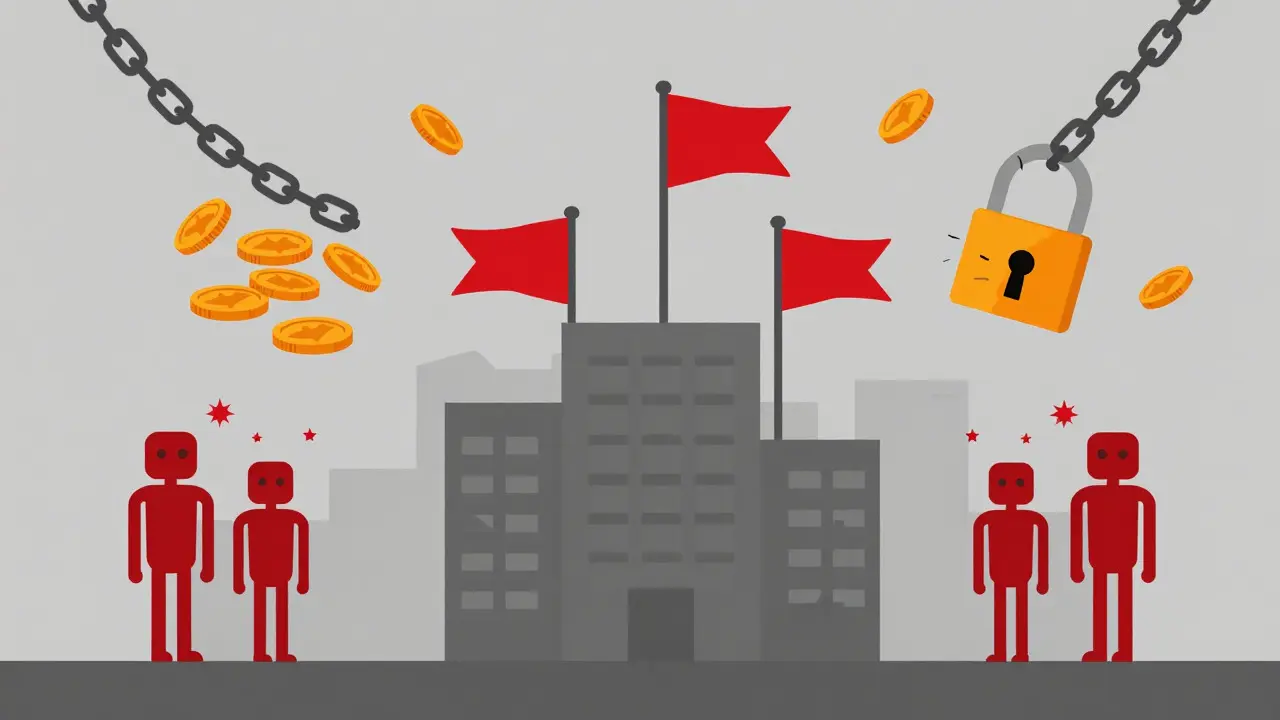
Fraud rarely happens overnight. It is usually a slow burn, with small annoyances escalating into catastrophic failures. If you had been paying attention to user feedback between 2021 and 2023, the signs were everywhere. Here is what should have tipped off any cautious trader:
- Exorbitant Withdrawal Fees: While trading fees appeared competitive at 0.10% for makers and takers, withdrawal fees were predatory. For example, Bitcoin withdrawals cost 0.001 BTC. Compare that to competitors like FameEX, which charged around 0.0004 BTC. These high costs ate into profits and discouraged users from moving their funds off-platform.
- Arbitrary Trading Limits: Users reported bizarre minimums that made sense only if the goal was to trap small investors. One user noted a minimum limit of 400 TRX to trade Tron. If you deposited less than that, your money was effectively frozen until you added more, creating a sticky situation that benefited the exchange.
- Unresponsive Support: As problems mounted, the promised 24/7 support evaporated. Tickets went unanswered for weeks. When replies did come, they were generic copy-paste responses that didn't address the actual issue of missing deposits or failed withdrawals.
- Suspicious Online Presence: Security analysts from Wallet Scrutiny pointed out that the platform’s social media engagement looked bot-generated. Paid reviews flooded forums, praising the platform while genuine complaints were buried or deleted. This manipulation of public perception is a classic tactic used by fraudulent entities to maintain credibility while draining funds.
These weren't isolated incidents. They were systemic issues indicating that the business model was shifting from facilitating trades to hoarding liquidity. The exchange was likely using customer deposits to cover operational losses or, worse, transferring funds to private wallets owned by the operators.
User Experiences: Voices from the Void
Numbers can lie, but personal stories rarely do. The most damning evidence against BitGlobal comes from the traders who lost everything. Let’s look at two real accounts that highlight the deterioration of the platform.
In April 2021, a user named Adeleke David Adekunle posted a one-star review on the Google Play Store. His complaint wasn't about losing millions; it was about the sheer friction of using the platform. He moved 108 TRX to the exchange to trade a coin available only on Bithumb. After placing a trade, he tried to withdraw his remaining balance. The exchange charged him 33 TRX in fees to move the rest. He ended up with only 75 TRX. "This is the worst I've had," he wrote. This illustrates how the platform monetized frustration, turning simple transactions into expensive traps.
By July 2021, the situation had worsened significantly. Another user, Dwayne Campbell, called BitGlobal a "100% exit scam exchange." He reported a deposit that hadn't been credited for over three months. "If you have a missing deposit just consider it lost," he warned others. His advice to check the subreddit revealed a community in chaos. The subreddit became a repository of horror stories: frozen transactions, inaccessible funds, and a complete breakdown of trust. These early warnings were ignored by many, hoping that the platform would eventually fix its issues. It never did.
The Final Collapse and Current Status
As of August 2026, BitGlobal remains permanently closed. There is no official statement explaining the closure, no bankruptcy filing, and no plan for restitution. The industry consensus, backed by watchdogs like Traders Union, is that this was an intentional exit scam. An exit scam occurs when the owners of a fraudulent project gradually drain investor funds and then disappear, leaving behind a broken website and angry customers.
The platform’s status on CoinMarketCap changed to 'untracked,' a designation reserved for projects that are either defunct or highly unstable. This is a significant red flag for any researcher checking the legitimacy of an asset or exchange. Furthermore, new geo-restrictions appeared on the domain in mid-2025, suggesting possible attempts to rebrand or relaunch under a different name. However, due to its opaque history, trust in any entity associated with the BitGlobal brand remains extremely low. Experts advise treating any new site claiming affiliation with BitGlobal as fraudulent until proven otherwise.
| Feature | BitGlobal (Defunct) | Regulated Exchange (e.g., Coinbase, Kraken) |
|---|---|---|
| Regulatory Status | Unregulated (Seychelles) | Licensed (SEC/FCA/ASIC compliant) |
| Withdrawal Fees | High (e.g., 0.001 BTC for Bitcoin) | Transparent & Competitive (e.g., 0.0004 BTC) |
| Custody Proof | None / Opaque | Regular Proof of Reserves Audits |
| User Recourse | None (Exit Scam) | Legal Channels & Insurance Funds |
| Current Status | Closed / Dead | Active & Operational |

How to Protect Yourself From Similar Scams
The fall of BitGlobal serves as a harsh lesson in the importance of due diligence. With the rise of decentralized finance (DeFi) and self-custody solutions, the need for centralized intermediaries has decreased, yet many traders still rely on them for convenience. If you use a centralized exchange, follow these rules to protect your capital:
- Check Regulatory Licenses: Always verify if an exchange holds licenses in major jurisdictions. A quick search for "[Exchange Name] + license" should yield clear results from government bodies. If the information is hidden or vague, walk away.
- Verify Proof of Reserves: Legitimate exchanges publish regular proof of reserves (PoR) audits conducted by third-party firms. These audits confirm that the exchange actually holds the assets it claims to. If an exchange stops publishing PoR, treat it as a high-risk environment.
- Monitor Withdrawal Trends: Pay attention to changes in withdrawal limits and fees. Sudden increases in fees or the introduction of arbitrary minimums are often precursors to liquidity crises.
- Use Hardware Wallets: The golden rule of crypto is "not your keys, not your coins." Use exchanges for trading, but move your long-term holdings to a hardware wallet like Ledger or Trezor. This ensures that even if the exchange collapses, your assets remain safe.
- Listen to the Community: Don’t just read the official announcements. Check Reddit, Twitter, and independent review sites. Look for patterns in complaints. Are multiple users reporting delayed withdrawals? Is support ignoring tickets? These are critical signals.
Remember, if an opportunity seems too good to be true, or if an exchange operates in the shadows without accountability, it probably is. The crypto market is maturing, and regulators are cracking down on bad actors. Stick to platforms with transparent histories and strong compliance records.
What Happens Now?
For those who lost funds on BitGlobal, the outlook is bleak. Without a legal entity to sue and no assets to seize, recovery is nearly impossible. Some users have attempted to organize collective action, but without a clear trail of funds, these efforts often stall. The best course of action now is to accept the loss as a tuition fee for learning how to navigate the crypto landscape safely.
If you encounter a new platform that looks suspiciously like BitGlobal, report it immediately to relevant authorities and warn the community. The fight against fraud is ongoing, and vigilance is our best defense. Stay informed, stay skeptical, and keep your keys secure.
Is BitGlobal still operational in 2026?
No, BitGlobal ceased all operations in August 2023. It is currently listed as 'dead' or 'untracked' by major industry databases like CoinMarketCap. Any website claiming to be BitGlobal is likely a phishing scam or an attempt to rebrand the fraudulent operation.
Can I recover my lost funds from BitGlobal?
Recovery is highly unlikely. Because BitGlobal operated without proper regulatory oversight and executed an exit scam, there is no insurance fund or legal entity responsible for refunding users. Most experts advise accepting the loss and focusing on preventing future incidents.
Why was BitGlobal considered a scam?
BitGlobal was flagged as a potential scam due to its lack of regulatory licenses, exorbitant and hidden withdrawal fees, unresponsive customer support, and numerous user reports of frozen funds. Its abrupt closure without explanation confirmed suspicions of an exit scam.
What is an exit scam in cryptocurrency?
An exit scam is a fraudulent scheme where the creators of a crypto project or exchange gradually drain investor funds and then disappear, shutting down the platform. Signs include halted withdrawals, rising fees, and poor communication before the sudden closure.
How can I avoid unregulated crypto exchanges?
Always verify if an exchange holds licenses from recognized financial authorities (like the SEC, FCA, or ASIC). Check for regular Proof of Reserves audits, read independent user reviews on platforms like Reddit, and ensure the company has a transparent physical address and leadership team.
Was BitGlobal related to Bithumb?
BitGlobal launched as a rebrand of Bithumb Global, the international branch of the South Korean exchange Bithumb. However, it operated independently under a Seychelles registration and lacked the direct regulatory oversight of its parent company, leading to its eventual collapse.
Leave a comments