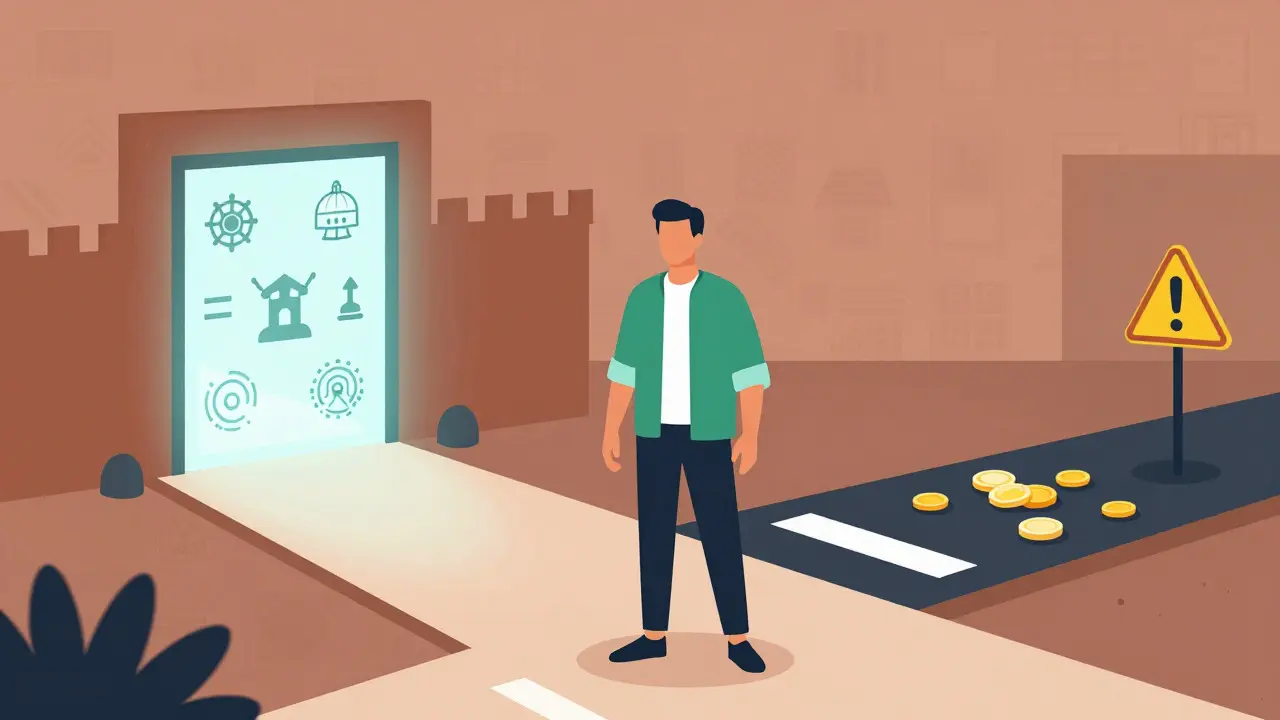
Imagine buying Bitcoin with your Moroccan Dirham and suddenly facing a fine of up to MAD 100,000. For years, this was the reality for anyone touching cryptocurrency in Morocco. The country’s strict stance on foreign exchange violations turned digital assets into a legal minefield. But if you are looking at the landscape today, July 2026, the picture has changed dramatically. The blanket ban is gone, replaced by a complex web of licenses, taxes, and specific prohibitions that still trip up many users.
Understanding these rules is no longer just about avoiding jail; it is about navigating a new regulatory era designed to protect the economy while allowing innovation. You need to know exactly what is legal, what remains forbidden, and how the authorities enforce compliance. Let's break down the current status of crypto in Morocco so you don't end up on the wrong side of the law.
The Shift from Total Ban to Regulated Market
To understand where we stand in 2026, you have to look back at why the ban existed in the first place. In November 2017, Bank Al-Maghrib (BAM), the central bank of Morocco, declared all cryptocurrency transactions illegal. They argued that because crypto wasn't backed by physical assets or state authority, it violated existing foreign exchange control laws established since independence. Essentially, using Bitcoin meant bypassing the state's ability to monitor money leaving the country.
For seven years, this prohibition was absolute. However, the pressure from global adoption and the rise of fintech forced a rethink. By 2024, Governor Abdellatif Jouahri announced a major pivot. Morocco began drafting legislation to legalize and regulate crypto use. This draft became law by 2025, marking a fundamental shift from prohibition to supervision. The goal? To bring crypto out of the shadows, ensure anti-money laundering (AML) compliance, and protect consumers without losing control over the nation's currency flows.
This change means that simply holding or trading crypto is no longer an automatic crime. But "legal" does not mean "unrestricted." The government has built a cage around the industry, allowing activity only within very specific bars.
What Constitutes a Foreign Exchange Violation Today?
In 2026, a violation isn't just about owning crypto. It is about how you move money. The core concern for Bank Al-Maghrib remains capital flight-the risk that Moroccans will convert Dirhams into crypto and send them abroad, weakening the local currency. Therefore, the following actions are considered serious violations:
- Using Unlicensed Platforms: Trading on international exchanges like Binance or Coinbase without going through a BAM-approved local intermediary is risky. While individual possession isn't always prosecuted aggressively, the act of funding these accounts often involves bypassing banking channels, which triggers scrutiny.
- Commercial Payments: Using crypto to pay for goods or services, especially cross-border ones, is strictly prohibited. Businesses must use traditional banking channels for trade settlements. If a company uses stablecoins to pay a supplier in Turkey, they are committing a foreign exchange violation.
- Circumventing KYC/AML Rules: Any transaction that hides the identity of the sender or receiver violates the new AML/CFT (Countering the Financing of Terrorism) regulations tied to the crypto law.
The key takeaway is that while you can trade, you cannot use crypto as a replacement for the Dirham in commerce or international settlement. The state wants to keep its fingers on the pulse of every Dirham that leaves the country.
Fines and Penalties: What You Risk Losing
If you step outside the approved framework, the penalties are steep. The government uses financial punishment to deter unauthorized activity. Here is what you face if caught violating the rules:
| Violator Type | Offense Severity | Estimated Fine (MAD) | Additional Consequences |
|---|---|---|---|
| Individual Citizen | Minor/First Offense | MAD 20,000 - 50,000 | Confiscation of funds, warning letter |
| Individual Citizen | Major/Repeat Offense | MAD 50,000 - 100,000 | Criminal prosecution, potential prison time |
| Corporate Entity | Unauthorized Trading/Payments | Up to MAD 500,000 | Licence revocation, executive liability |
| Unlicensed Platform | Operating Without BAM Approval | Variable (High) | Site blocking, asset seizure |
Note that these fines are administrative. If the violation involves large-scale money laundering or fraud, criminal charges under broader financial laws kick in, leading to imprisonment. The authorities maintain a strict focus on unlicensed platforms and businesses trying to skirt payment restrictions. Don't assume that because your neighbor trades on P2P apps, you are safe. Enforcement is selective but severe when it happens.
The Mining Ban: Why It Remains Illegal
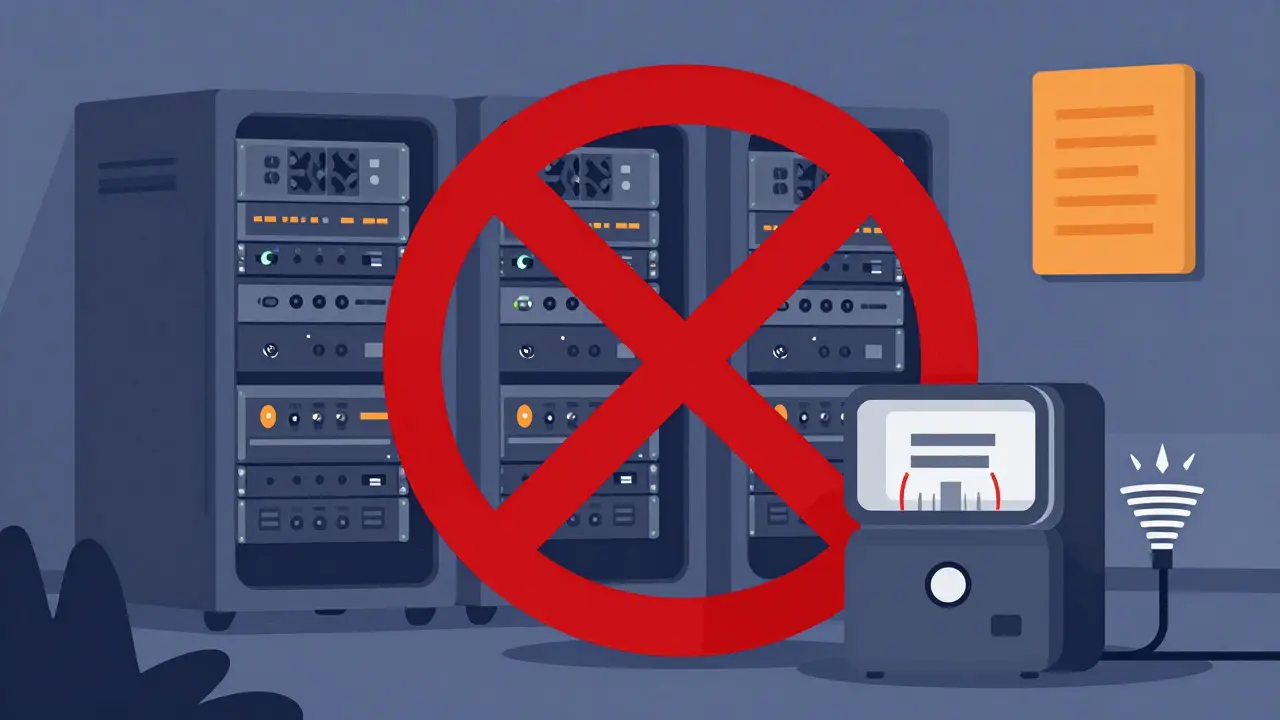
One area where there has been zero flexibility is cryptocurrency mining. As of 2026, cryptocurrency mining is completely illegal in Morocco. This ban dates back to the original 2017 prohibition and has survived the recent liberalization of trading.
Why? The answer lies in energy and foreign exchange. Mining requires massive amounts of electricity and expensive hardware, much of which is imported. When miners buy ASICs or GPUs from abroad, they drain foreign currency reserves. Then, they consume domestic energy to produce a volatile asset. For Bank Al-Maghrib, this is a double threat: it strains the national grid and creates unmonitored capital outflows.
While countries like Canada or Kazakhstan attract miners with cheap power and clear laws, Morocco sees mining as a net negative for its economic stability. If you own a GPU rig in your basement, you might fly under the radar, but setting up a commercial mine is a guaranteed ticket to heavy fines and equipment confiscation.
Compliance for Businesses and Traders
If you want to operate legally in Morocco's emerging crypto market, you need to follow a strict checklist. The days of anonymous wallets are over for serious players.
- Get Licensed: All cryptocurrency platforms operating in Morocco must obtain explicit licensing from Bank Al-Maghrib. This is non-negotiable.
- Implement KYC/AML: You must verify the identity of every user. Know Your Customer (KYC) procedures are mandatory to prevent money laundering.
- Report Suspicious Activity: Platforms must monitor transactions and report anything unusual to financial authorities immediately.
- Pay Capital Gains Tax: Profits from crypto transactions are subject to a 15% capital gains tax. You must declare these earnings to the tax authorities. Hiding profits is a separate tax crime that compounds your foreign exchange violation.
- Follow AMMC Rules for Tokens: If you are launching an Initial Coin Offering (ICO) or tokenized security, the Moroccan Capital Market Authority (AMMC) oversees this. You need their approval to protect investors and comply with securities laws.
For the average trader, this means sticking to licensed local exchanges or ensuring your international broker has a partnership with a Moroccan entity that handles the regulatory burden. Peer-to-peer (P2P) trading remains popular but exists in a gray area. While widely used, it lacks the consumer protections of licensed platforms, making it a risky choice for large sums.
The Rise of the e-Dirham and CBDCs
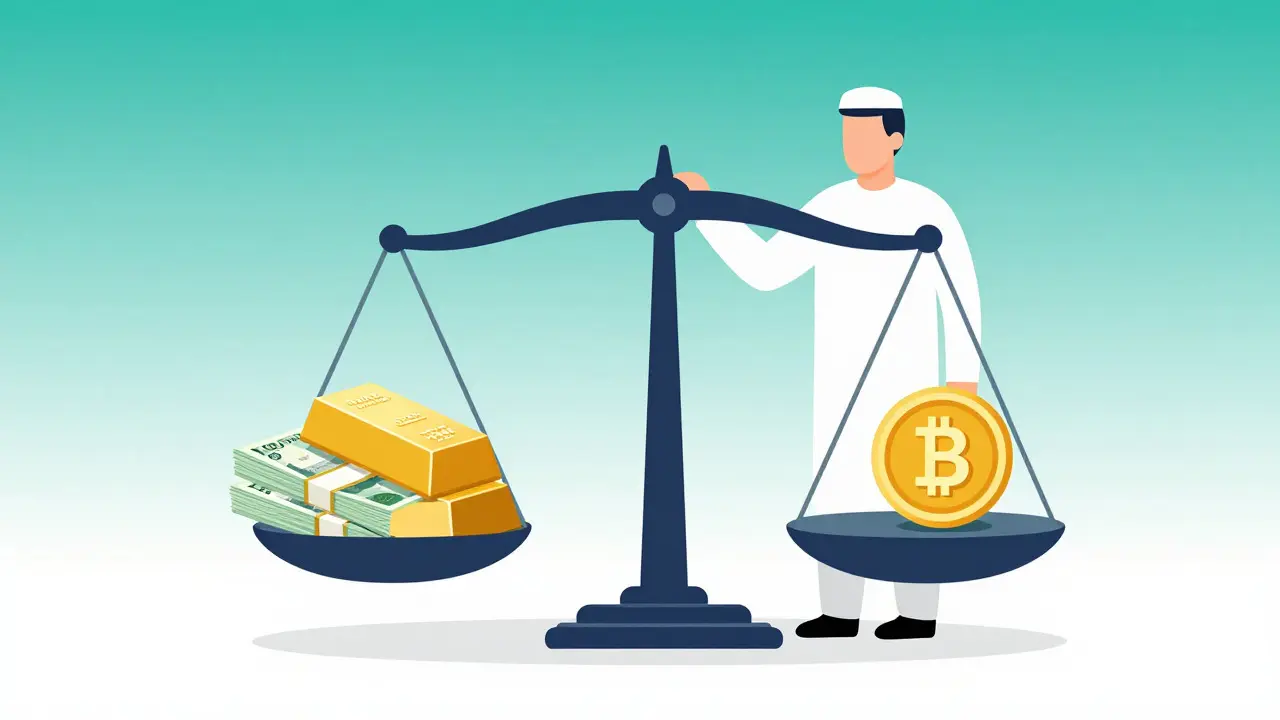
While regulating private crypto, Morocco is also building its own digital currency. Bank Al-Maghrib has completed the first pilot program for the e-Dirham, a Central Bank Digital Currency (CBDC). This project aims to reduce dependence on cash and streamline transactions while keeping full state control over monetary policy.
In 2025 and 2026, the second phase of the pilot expanded to include cross-border transfers, collaborating with the Central Bank of Egypt and the World Bank. This is significant because it addresses the root cause of the original crypto ban: the difficulty of monitoring cross-border payments. The e-Dirham offers a government-controlled alternative to private cryptocurrencies, potentially reducing the incentive for citizens to use Bitcoin for remittances or trade.
For now, the e-Dirham is not available to the general public, but its development signals that Morocco views digital money as inevitable. The difference is that the state wants to hold the keys.
How Morocco Compares Regionally
Morocco's cautious approach stands in contrast to some of its neighbors and global peers. While South Africa has embraced crypto-friendly regulations and Nigeria has seen explosive growth despite regulatory hurdles, Morocco walks a tightrope. It wants the benefits of fintech innovation without the risks of capital flight.
This divergence influences where Moroccan investors go. Many seek opportunities in more permissive jurisdictions for mining or large-scale trading. However, the new 2025-2026 framework makes staying home viable for those willing to comply. The market is projected to reach nearly $280 million USD in 2026, showing that demand persists even with strict oversight.
Practical Tips for Navigating the System
If you are active in crypto in Morocco, here is how to stay safe:
- Avoid Large Cash Deposits: Banks monitor unusual deposits closely. If you deposit large sums of cash to buy crypto, flag it.
- Use Licensed Channels: Whenever possible, use platforms that have secured BAM approval. It provides a layer of legal protection.
- Keep Records: Maintain detailed records of your transactions for tax purposes. The 15% capital gains tax is real, and auditors are getting smarter.
- Don't Mine Commercially: Keep your hobby small. Commercial mining operations are targeted relentlessly.
- Stay Updated: Regulations are still evolving. Follow announcements from Bank Al-Maghrib and the AMMC closely.
The landscape is stabilizing, but it is not yet mature. Treat every transaction with caution, and remember that the primary goal of the regulators is to protect the value of the Dirham.
Is Bitcoin legal in Morocco in 2026?
Yes, but with strict conditions. The total ban was lifted in 2025. You can trade and hold cryptocurrency, but only through platforms licensed by Bank Al-Maghrib. Using crypto for commercial payments or international settlements remains illegal and constitutes a foreign exchange violation.
What is the penalty for using unlicensed crypto exchanges?
Individuals can face fines ranging from MAD 20,000 to MAD 100,000 ($2,000 to $10,000 USD). Repeat offenses or large-scale violations can lead to criminal prosecution. Corporate entities face fines up to MAD 500,000.
Can I mine cryptocurrency in Morocco?
No. Cryptocurrency mining remains completely illegal in Morocco as of 2026. The ban is due to concerns over energy consumption and foreign exchange outflows related to importing mining hardware.
Do I have to pay taxes on my crypto profits?
Yes. Profits from cryptocurrency transactions are subject to a 15% capital gains tax. These profits must be reported to Moroccan tax authorities to avoid additional penalties.
What is the e-Dirham?
The e-Dirham is Morocco's Central Bank Digital Currency (CBDC). It is a digital version of the Moroccan Dirham issued by Bank Al-Maghrib. Pilots are currently underway to test its use for domestic and cross-border transactions, offering a regulated alternative to private cryptocurrencies.
Are P2P crypto platforms legal?
Peer-to-peer (P2P) trading exists in a gray area. While not explicitly banned for individuals, it lacks the regulatory oversight of licensed platforms. Using P2P to circumvent foreign exchange controls can still lead to violations if detected by authorities.
Jessie Smith
27 07 26 / 01:54 AMits not really about the law its about control over the narrative of value. they call it foreign exchange violation but its just fear of losing their grip on the dirham. people think they are free when they trade but they are just dancing in a cage made of regulations. the elites know this but they keep talking about compliance like its some noble pursuit. it is all theater.
Drew M
27 07 26 / 12:40 PMWow, such a dramatic shift! 😲 I mean, from total ban to regulated market? That’s huge news for everyone involved! 🌍✨ It’s amazing how fast things change in the crypto world. You have to stay on your toes or you’ll get left behind! 🚀💸
Eric Braddock
29 07 26 / 07:58 AMthey want you to trust the licensed platforms because those are the ones they can monitor and tax. the whole KYC thing is just data harvesting for the state. once they have your identity linked to your wallet they can freeze it whenever they feel like it. don't fall for the innovation hype it's just surveillance capitalism with a new skin. the mining ban proves they hate decentralization.
Nick G
29 07 26 / 12:18 PMIt is truly fascinating to observe how different cultures approach financial sovereignty. In many parts of the world, the integration of digital assets has been met with skepticism, yet here we see a nuanced evolution in Morocco that respects both tradition and modernity. The emphasis on protecting the local currency while allowing for technological advancement suggests a balanced perspective that values community stability over individual speculation. One must appreciate the careful deliberation that went into these decisions, as they reflect a deep understanding of economic interdependence. Perhaps other nations could learn from this measured approach, where regulation serves as a guardian rather than a jailer. The dialogue between government bodies and citizens seems to be evolving in a way that fosters mutual respect and clarity. This kind of transparency is essential for building trust in any emerging market. We should encourage more open discussions about how these policies affect everyday people.
Nick Wengel
31 07 26 / 12:12 PMgood info thanks
Alicia Hull
1 08 26 / 17:44 PMSo let me get this straight. You can hold Bitcoin but if you try to use it to buy something real you get fined? That sounds like a trap. Why would anyone bother trading if they can't spend it? It seems like the rules are designed to make crypto useless for actual commerce. Just another way to protect the banks.
Johan Otto
3 08 26 / 07:18 AMnah boring
Tracy Marshall
3 08 26 / 19:22 PMthe moral decay of society is evident when people chase virtual coins instead of saving real money. the government is right to step in because without order there is chaos. they are protecting us from ourselves :/ why do we always need to be told what to do though. maybe we should just listen to the authorities this time. it feels like every day there is a new rule trying to catch up with technology.
Guy Davis
4 08 26 / 09:04 AMtypo alert: its not fair. rich guys pay no taxes. poor guys get fined mad 100k. system is broken.
KEITH WONG
4 08 26 / 16:50 PMlisten up folks. if you are smart you know that the e-dirham is coming to replace your bitcoin. stop fighting the inevitable. the central bank wants to give you a digital leash and you will wear it proudly. dont be a fool and mine at home unless you want to lose everything. stay woke and stay compliant. 🧠💡
Natalie Lucas
5 08 26 / 05:27 AMi mean its kinda cool that they are trying to regulate it instead of just banning it outright. gives me hope that maybe one day i can invest without worrying about getting arrested. lets keep pushing for freedom!
Curtis Johnson
5 08 26 / 23:15 PMlook everyone needs to chill out. the rules are there for a reason. sure it feels restrictive but think about the big picture. if everyone just ran wild with crypto the economy could crash. we need structure. so just follow the guidelines and pay your taxes. its not that hard. peace and love to all traders out there. 🙏
Steven Briggs
7 08 26 / 16:17 PMi guess it makes sense. less risk for the country.
Hamza k
8 08 26 / 05:26 AMwhat a spectacle! the dance of regulation and rebellion. morocco is painting a masterpiece of control on the canvas of finance. beautiful yet terrifying. who wins in the end? probably nobody except the bureaucrats. oh the humanity of lost profits! 🎭
Kim Kay
9 08 26 / 02:54 AMhi everyone. i wanted to share that keeping records is super important. i made a mistake last year and forgot to declare my gains. it was a nightmare. please dont do what i did. talk to a pro if you can. we are all learning together. sorry for typos im typing fast.
Brad Semp
9 08 26 / 09:43 AMThe distinction between holding an asset and utilizing it as a medium of exchange is paramount. To conflate the two is to misunderstand the fundamental nature of monetary policy. The Moroccan authorities have correctly identified that while ownership may be tolerated, circulation threatens the integrity of the national currency. Therefore, the prohibition on commercial payments is not merely bureaucratic obstinacy but a necessary safeguard against capital flight. Those who complain of restriction fail to grasp the macroeconomic implications of unregulated cross-border settlements. Precision in language and action is required to navigate this landscape successfully.