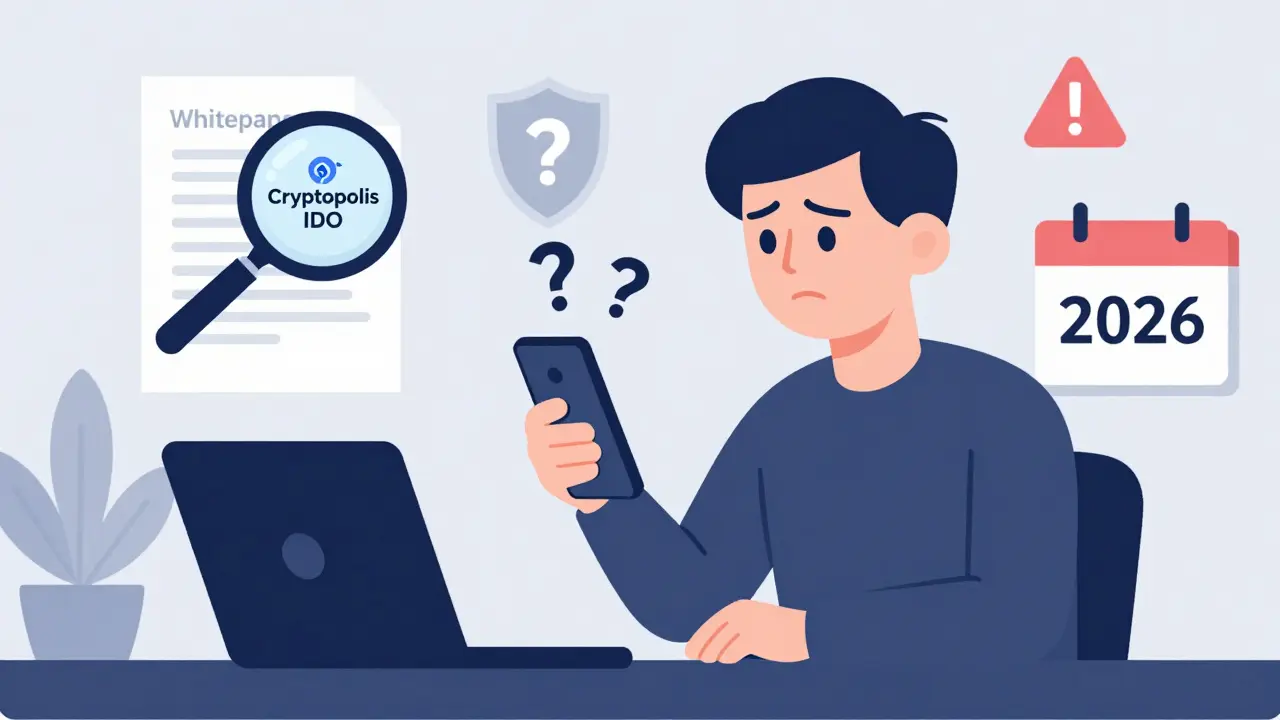
Cryptopolis is a cryptocurrency project associated with the CPO token, currently generating buzz around its Initial DEX Offering (IDO) and potential airdrop campaigns. If you are reading this, you likely saw a headline promising free tokens or early access. Before you connect your wallet or send funds, pause for a second. The crypto landscape in 2026 is cleaner than it was in 2021, but scams still thrive on hype. This guide breaks down what an IDO actually is, how to verify if Cryptopolis is legitimate, and exactly how to stay safe while hunting for airdrops.
What Is an IDO and Why Does It Matter?
An Initial DEX Offering (IDO) is a fundraising method where new crypto projects sell their tokens directly on decentralized exchanges rather than through centralized intermediaries. Unlike traditional IPOs, anyone with a crypto wallet can participate. For projects like Cryptopolis, an IDO is the first moment the general public can buy the CPO token. For you, it means lower entry prices-but also higher risk.
When a project launches an IDO, they often pair it with an Airdrop is a distribution of free tokens to wallet addresses to build community awareness and decentralize ownership. These airdrops are marketing tools. They reward early supporters, but they also serve as a trap for those who don’t know how to spot fake campaigns.
The Reality Check: Verifying Cryptopolis (CPO)
Here is the hard truth: specific, verified details about a "Cryptopolis BIG IDO LAUNCH" are not widely documented in major financial databases or reputable crypto news outlets as of mid-2026. This lack of information is a red flag. Legitimate projects publish whitepapers, audit reports, and team doxxing. If you cannot find these, proceed with extreme caution.
To verify if Cryptopolis is real, check these three things:
- Official Website & Domain Age: Use tools like Whois to see when the domain was registered. New domains paired with huge promises are suspicious.
- Smart Contract Audits: Look for audits from firms like CertiK, Hacken, or OpenZeppelin. If there’s no audit, do not connect your wallet.
- Social Proof: Check Twitter, Telegram, and Discord. Are the comments organic, or are they bots repeating the same phrases? Real communities argue, ask questions, and share memes-not just "buy now" links.
How to Safely Participate in IDOs and Airdrops
If you decide Cryptopolis looks legitimate after your research, follow these steps to protect yourself. Never rush. Scammers rely on FOMO (Fear Of Missing Out).
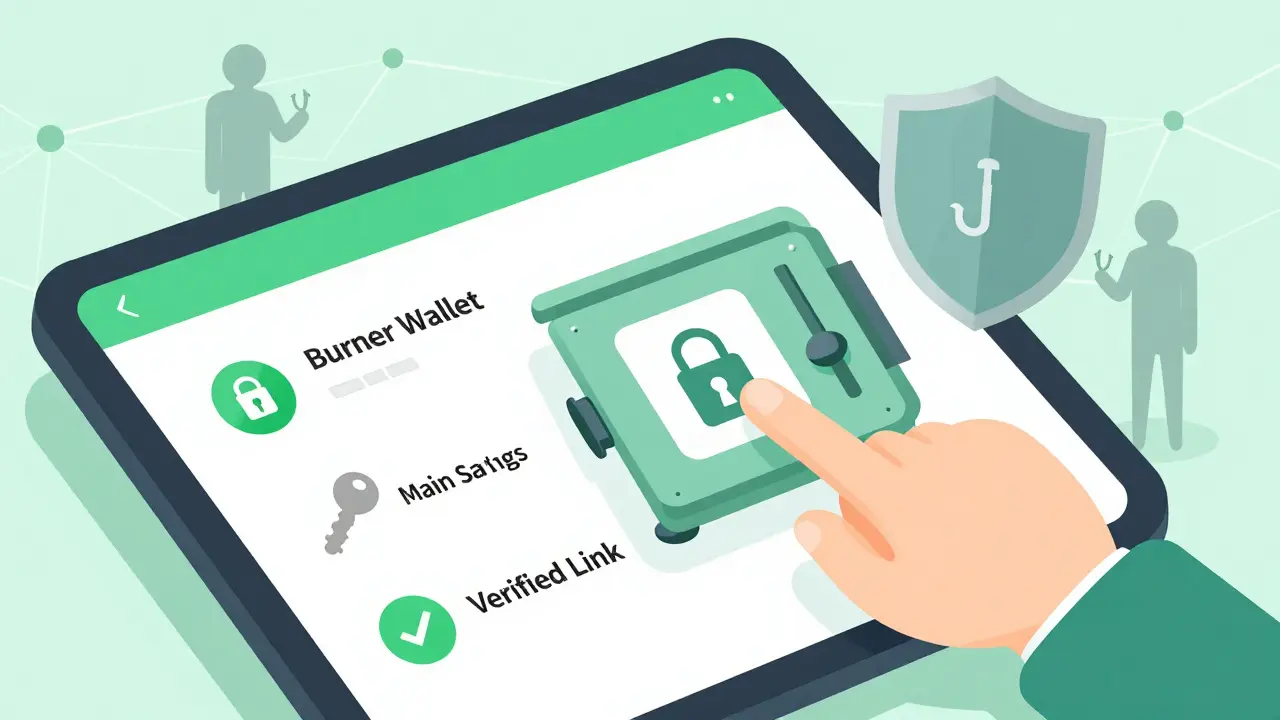
- Use a Burner Wallet: Never use your main wallet holding your life savings. Create a separate MetaMask or Trust Wallet specifically for interacting with new contracts. Fund it only with what you can afford to lose.
- Revoke Permissions: After interacting with any contract, use tools like Revoke.cash to remove approval permissions. This prevents hackers from draining your assets later.
- Verify Links: Bookmark the official website. Do not click links from DMs, random tweets, or YouTube comment sections. Impersonator sites look identical to the real ones.
- Check Gas Fees: High gas fees during an IDO are normal, but if a transaction asks for more ETH or BNB than expected, cancel it immediately.
Common Crypto Scams to Avoid
In the world of IDOs and airdrops, scammers have evolved. Here are the most common traps you will encounter:
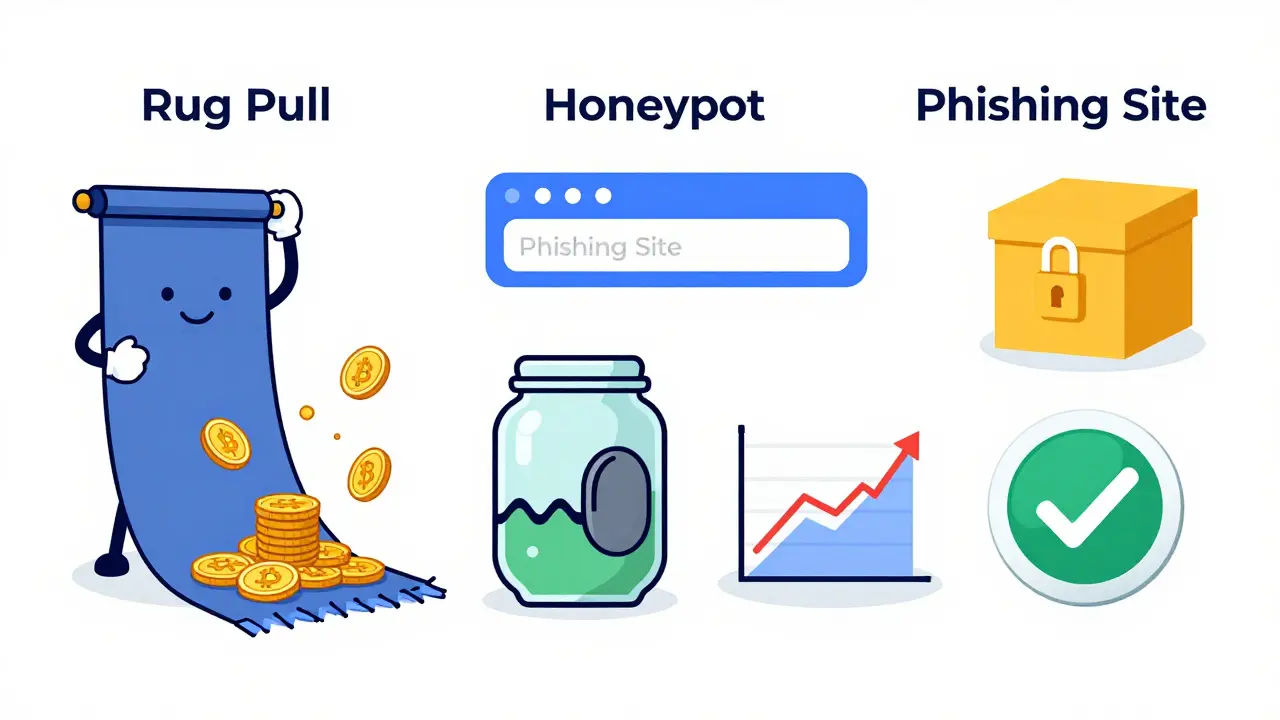
| Scam Type | Red Flags | Legitimate Equivalent |
|---|---|---|
| Fake Airdrop | Asks for private key or seed phrase | Only requires wallet address connection |
| Rug Pull | Liquidity removed shortly after launch | Liquidity locked for months/years |
| Honeypot | You can buy but cannot sell | Free trading on decentralized exchanges |
| Phishing Site | URL slightly misspelled (e.g., cryptopolis-official.com) | Exact match to official website URL |
Tokenomics: What Makes CPO Valuable?
Before buying or claiming CPO tokens, understand the tokenomics. A good project has a clear utility for its token. Ask yourself: What does CPO do? Is it used for governance, staking, or paying fees? If the answer is vague, the token may be purely speculative.
Look at the supply distribution. If the team holds more than 20-30% of the supply, they could dump their tokens on the market, crashing the price. Fair launches distribute tokens evenly among participants. Check the vesting schedule-when do investors get access to their tokens? Long vesting periods align interests with long-term growth.
Next Steps for Safe Participation
If you are ready to engage with the Cryptopolis ecosystem, start small. Allocate a tiny portion of your portfolio to high-risk IDOs. Monitor the project’s development updates. If the team disappears or delays milestones indefinitely, exit early. Remember, in crypto, you are your own bank-and your own security guard. Stay skeptical, stay informed, and never invest based on hype alone.
Is the Cryptopolis (CPO) airdrop real?
There is no widespread verification of a Cryptopolis airdrop in major crypto databases. Always verify through official channels and never share your private keys. If a site asks for your seed phrase, it is a scam.
How do I participate in an IDO safely?
Use a burner wallet, verify the smart contract address, check for audits, and only interact with official links. Never rush transactions due to FOMO.
What is a rug pull in crypto?
A rug pull occurs when developers abandon a project and withdraw all liquidity, causing the token price to drop to zero. Always check if liquidity is locked before investing.
Can I lose money in an airdrop?
Yes. While airdrops are free, you may spend gas fees to claim them. Additionally, fake airdrops can compromise your wallet security, leading to total loss of funds.
How do I verify a crypto project's legitimacy?
Check for smart contract audits, transparent team identities, active community engagement, and clear tokenomics. Lack of these elements suggests high risk.
Leave a comments