Ever stared at your wallet wondering if you missed out on free tokens because you didn't click the right button? That's exactly what happens with EGLD and the MultiversX ecosystem. The so-called "Maiar EarnDrop" isn't just another spammy giveaway where coins magically appear in your account. It is a structured reward mechanism tied to active participation, specifically through staking and using the Maiar Exchange. If you are holding EGLD but haven't interacted with the platform's specific features, you might be leaving money on the table.
What Is the Maiar EarnDrop Really About?
Let's cut through the noise. There is no single, permanent program called "Maiar EarnDrop" that runs forever like a salary. Instead, it refers to various promotional campaigns and distribution mechanisms within the MultiversX network (formerly Elrond). These campaigns aim to boost token circulation and reward loyal users. The core idea is simple: you stake your EGLD or LKMEX, you engage with the Maiar Exchange, and you claim rewards manually. Passive holders often miss these drops because they require a user-initiated action-clicking a "Claim" button. This design filters out inactive wallets and ensures that only engaged community members receive the benefits.
The most significant example of this approach is Metabonding. Unlike traditional airdrops that dump tokens into wallets, Metabonding allocates 10% of a new project's supply specifically for stakers. Half goes to those who stake LKMEX, and the other half goes to EGLD stakers. But here’s the catch: you don’t get it automatically. You have to go to the Maiar Exchange interface and claim it. If you forget, the opportunity passes. This "claim-to-earn" model is central to how MultiversX handles its token distribution programs.
Why MultiversX Chooses Active Participation Over Free Money
You might ask, why make users work for their airdrops? The answer lies in network health. MultiversX uses a consensus mechanism called Secure Proof of Stake (SPoS). This system relies on validators doing real work to secure the chain. By tying rewards to active staking and exchange usage, the team encourages behaviors that actually help the network scale. They process about 12,500 transactions per second, and keeping fees low (around $0.002) requires efficient resource allocation. Randomly giving away tokens doesn't help scalability; rewarding people who lock up their assets does.
Consider the alternative. In many other blockchains, airdrops create immediate sell pressure. Users get free tokens and dump them instantly. MultiversX tries to mitigate this by requiring staking. When you stake EGLD, you are locking up liquidity. This reduces circulating supply temporarily, which can support price stability. The Maiar EarnDrop concept aligns incentives: the more you contribute to network security via staking, the more likely you are to receive future distributions from projects launching on the platform.

How to Position Yourself for Future Drops
If you want to maximize your chances of catching the next big drop, you need to set up your wallet correctly. It’s not enough to just hold EGLD in an exchange like Binance or Coinbase. You need to move it to a self-custody wallet compatible with the MultiversX ecosystem, such as the xPortal app (formerly Maiar). From there, you can delegate your EGLD to a validator. This delegation counts toward your eligibility for many community-driven rewards.
- Stake Your EGLD: Delegate your tokens to a reputable validator. This is the primary requirement for most EGLD-focused drops.
- Use the Maiar Exchange: Many projects launch on the Maiar DEX. Having a history of trading or providing liquidity there increases your visibility to project teams.
- Monitor Official Channels: Since these are often time-sensitive campaigns, follow the official MultiversX blog and social media accounts. Announcements usually specify exact claim windows.
- Check Your Claims Regularly: Log into the Maiar Exchange dashboard weekly. Unclaimed rewards do not always roll over indefinitely.
One common pitfall is ignoring the distinction between LKMEX and EGLD stakers. Some projects, particularly those using the Metabonding framework, split rewards 50/50 between these two groups. If you only stake EGLD, you miss out on the LKMEX portion. To capture the full value, sophisticated users often maintain positions in both assets, though this requires managing two different types of risk.
The Technical Backbone: Why This Works
The reason these small, frequent distributions are possible without clogging the network is MultiversX’s Adaptive State Sharding technology. Traditional blockchains struggle when thousands of users try to claim tokens at once. MultiversX splits the network into shards, allowing parallel processing. One-third of validating nodes rotate between shards every 24 hours. This rotation prevents collusion and keeps the network secure while handling high throughput. For the end-user, this means claiming an airdrop feels instant and costs almost nothing in gas fees. You aren't waiting ten minutes for a transaction to clear; it’s done in seconds.
Developers also play a role here. Smart contract developers on MultiversX earn 30% of gas fees generated by users interacting with their contracts. This creates a symbiotic relationship. Developers build engaging dApps (decentralized applications), users interact with them to earn rewards, and the network gets stronger. The EGLD token sits at the center of this economy, used for fees, staking, and governance.
Risks and Realities of Chasing Drops
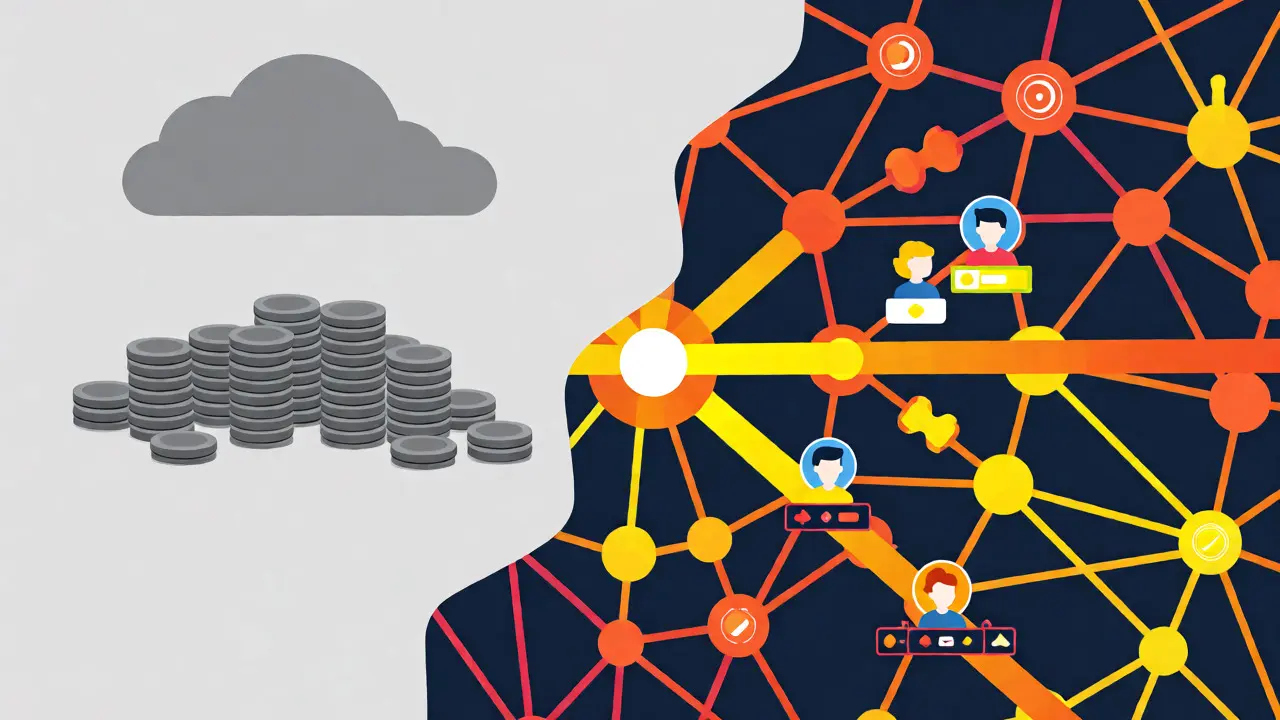
Don't let the promise of free tokens blind you to the risks. Not every project launching on MultiversX is successful. Some may fail, rendering their tokens worthless. Staking EGLD itself carries slight risks, primarily related to validator performance and potential slashing penalties if a validator acts maliciously, though this is rare on MultiversX due to its robust SPoS design. Additionally, the "EarnDrop" model requires attention. If you forget to claim during the specified window, you lose the reward. There is no customer support line to call and say, "Hey, I forgot to click the button."
| Feature | Traditional Airdrop | MultiversX EarnDrop/Metabonding |
|---|---|---|
| Activation Method | Automatic (Air-dropped) | Manual Claim Required |
| User Requirement | Hold token at snapshot date | Active Staking or DEX Usage |
| Sell Pressure | High (Immediate Dump) | Moderate (Encourages Holding) |
| Gas Cost to Receive | None | Negligible (~$0.002) |
| Target Audience | General Community | Active Ecosystem Participants |
Final Thoughts on Managing Expectations
Treating the Maiar EarnDrop strategy as a passive income stream is misleading. It’s more like a loyalty bonus for being an active citizen of the MultiversX network. If you are already involved in DeFi (Decentralized Finance) on this chain, you’re probably positioned well. If you are a long-term holder who rarely touches their wallet, you should consider delegating your EGLD to a validator. It takes five minutes to set up and could unlock access to future distributions that pure holders will miss. Keep an eye on the xPortal app notifications, because in this ecosystem, the squeaky wheel really does get the grease.
Do I need to keep my EGLD in the Maiar app to get airdrops?
No, you don't need to keep all your EGLD in the Maiar app itself, but you must use a wallet connected to the MultiversX network. Most airdrops and claims happen via the Maiar Exchange interface, which works with any MultiversX-compatible wallet. However, using the xPortal app (formerly Maiar) makes tracking and claiming much easier since it integrates directly with the exchange.
Is the Maiar EarnDrop automatic?
Generally, no. Most MultiversX reward programs, including Metabonding and specific campaign drops, require you to manually click a "Claim" button on the Maiar Exchange dashboard. If you do not claim within the specified timeframe, you typically forfeit those specific rewards.
What is the difference between EGLD and LKMEX for airdrops?
EGLD is the native currency of MultiversX, while LKMEX is a liquid staking token representing staked MEX. Many projects allocate separate portions of their token supply to EGLD stakers and LKMEX stakers. To maximize your potential earnings, some users choose to stake in both categories, effectively doubling their eligibility for certain dual-reward distributions.
How much does it cost to claim an airdrop?
The transaction fees on MultiversX are extremely low, averaging around $0.002 per transaction. Therefore, the cost to claim an airdrop is negligible compared to the potential value of the tokens received. This low barrier to entry is one of the key advantages of the MultiversX network architecture.
Can I lose my EGLD by participating in these drops?
Participating in standard staking and claiming rewards carries minimal risk to your principal EGLD amount. However, if you provide liquidity to pools on the Maiar Exchange to qualify for certain drops, you face impermanent loss risks. Always read the specific terms of a campaign to understand if your capital is locked or exposed to market volatility.
Leave a comments