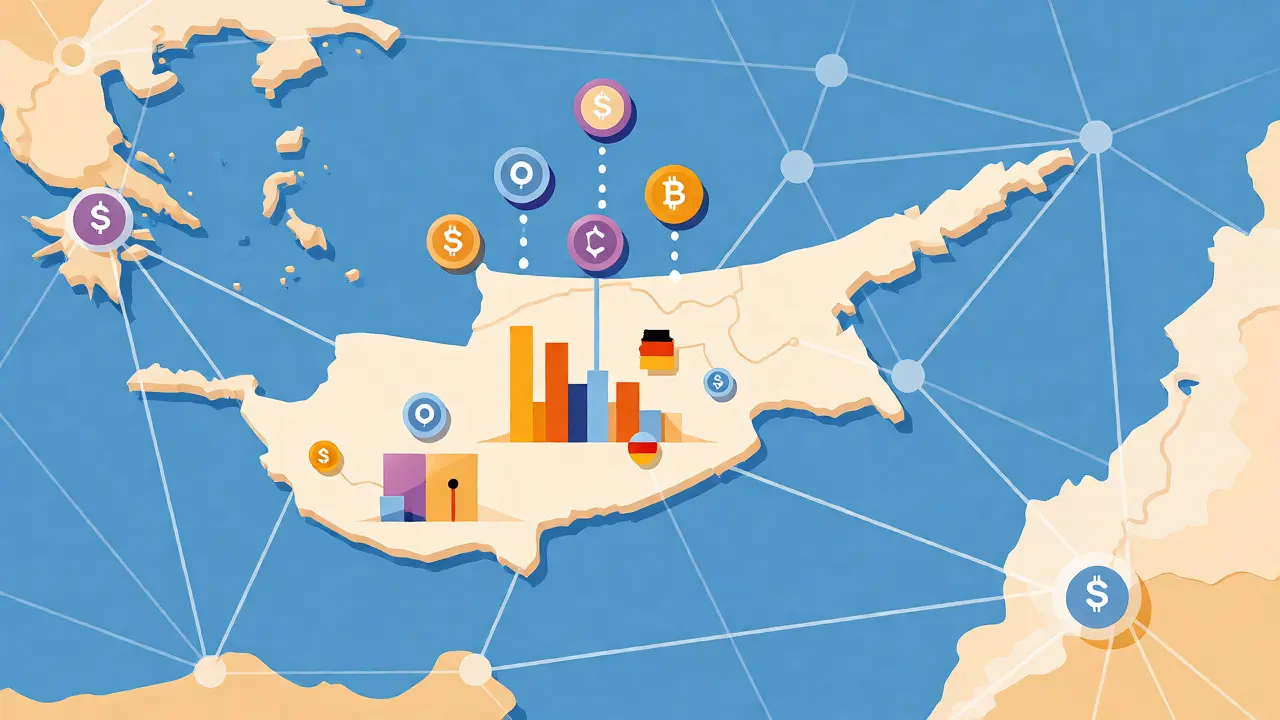
Living in Cyprus puts you in a unique spot for crypto trading. You are inside the European Union, which means you get access to major global platforms, but you also deal with strict local oversight from the Cyprus Securities and Exchange Commission (CySEC). As of late 2026, the rules have tightened under the new EU-wide framework, yet accessing digital assets remains straightforward if you know where to look.
You might wonder why this matters. Because unlike some countries that ban crypto outright or leave it in a legal gray zone, Cyprus has fully integrated cryptocurrency into its financial system. This creates a safer environment for your money, but it also means more paperwork and identity checks than you might expect. Here is exactly how you can trade, store, and manage crypto while living on the island.
The Regulatory Reality Check
First, let’s clear up what is actually happening with the law. Crypto is legal in Cyprus. It is not considered legal tender-meaning shops don’t have to accept Bitcoin-but owning and trading it is perfectly fine. The big shift recently came from the Markets in Crypto-Assets (MiCA) regulation. This EU law harmonized rules across all member states, replacing the patchwork of national laws that existed before.
For you as a resident, this transition changed who can offer services. Before MiCA, companies could register easily under national laws. Now, they need a specific license called a Crypto-Asset Service Provider (CASP) license. CySEC stopped accepting new applications under the old national regime years ago, forcing existing firms to migrate to the new standard. If you see an exchange operating in Cyprus today, it either holds a valid MiCA license or operates under transitional provisions while it secures one.
This regulatory clarity is good news. It means fewer scams and more consumer protection. However, it also means that smaller, unregulated offshore exchanges might block Cypriot IPs or refuse to onboard new users because they don’t want to deal with EU compliance costs. Stick to platforms that clearly display their CySEC or EU passporting status.
Choosing Your Exchange: Global vs. Local
You have two main paths when picking a platform. One route leads to global giants like Binance or Coinbase, which have adapted to serve EU customers. The other involves local or regional players that specialize in the Mediterranean market.
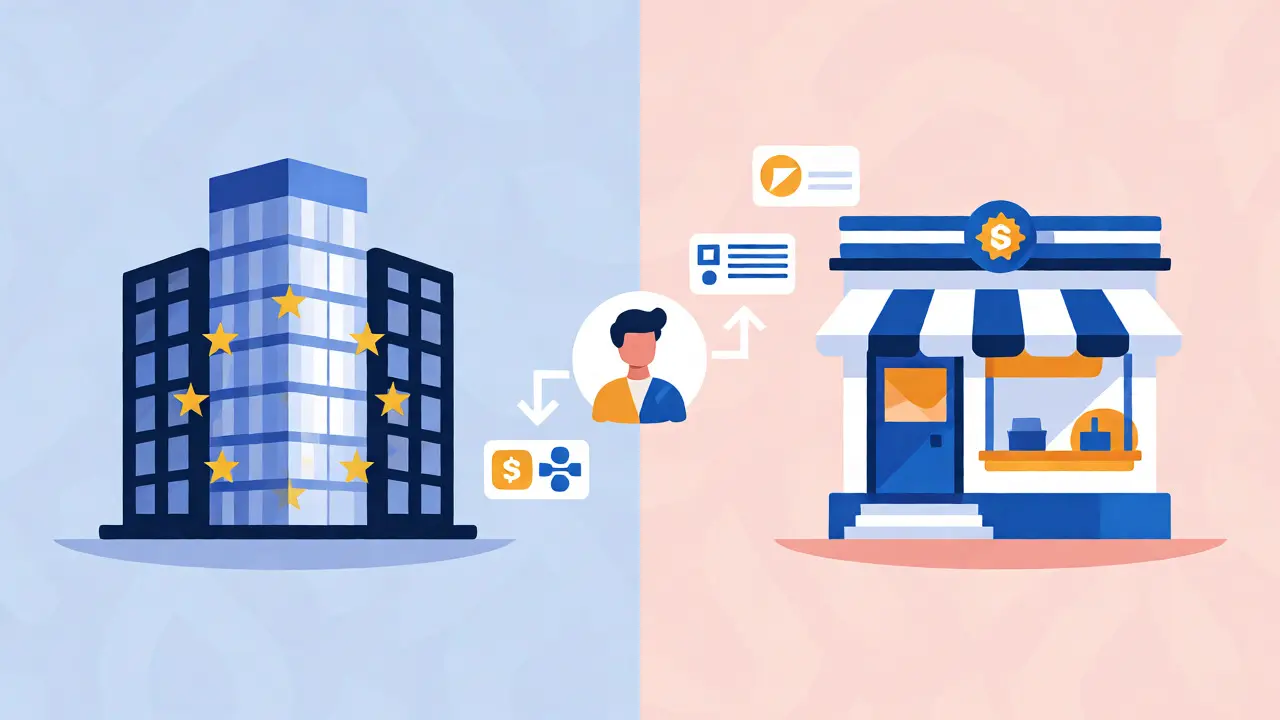
Global exchanges often use "EU entities" based in countries like Malta or Germany to serve Cypriots. When you sign up, you aren’t technically dealing with the global parent company; you’re dealing with their licensed European subsidiary. This ensures your funds fall under EU consumer protection laws. Check the footer of any website you visit. If it mentions "registered with CySEC" or "licensed by BaFin" (Germany) or "AMF" (France), you are likely safe.
| Feature | Global Exchanges (e.g., Binance EU) | Local/Regional Platforms | Peer-to-Peer (P2P) |
|---|---|---|---|
| Licensing | MiCA / EU Passporting | CySEC Registered/Licensed | Often Unregulated or P2P only |
| Fiat On-Ramp | SEPA Transfers, Cards | Local Bank Transfers, Cards | Bank Transfer, Cash |
| KYC Level | Strict (ID + Proof of Address) | Strict (ID + Proof of Address) | Varies (often lower limits) |
| Fees | Low trading fees, higher withdrawal | Competitive, often localized support | Spread-based, no direct fees |
Local platforms sometimes offer better customer service in Greek or English tailored to local banking quirks. They might also have partnerships with Cypriot banks that make deposits smoother. But always verify their current licensing status. A quick check on the CySEC website’s public register will tell you if a firm is active and compliant.
The KYC Hurdle: What Documents Do You Need?
Forget the days of anonymous trading. To buy crypto with euros in Cyprus, you must pass Know Your Customer (KYC) checks. This isn’t optional; it’s mandated by anti-money laundering laws enforced by MOKAS (the Unit for Combating Money Laundering).
Here is what you typically need to prepare:
- Government ID: A passport or national ID card. For non-EU residents living in Cyprus, your residence permit is crucial.
- Proof of Address: A utility bill, bank statement, or council tax document dated within the last three months. Ensure the name matches your ID exactly.
- Selfie Verification: Most apps require a live video selfie or a photo holding your ID next to your face to prove you are a real person.
Why so strict? Because transactions over €1,000 trigger mandatory reporting. Even below that threshold, suspicious patterns get flagged. If you try to bypass KYC by using a VPN to pretend you’re in a less regulated country, you risk having your account frozen later when the exchange requests documents. Don’t do it. The hassle of unfreezing funds far outweighs the inconvenience of uploading a PDF.
Funding Your Account: Banking and SEPA
Getting euros into your exchange account is usually the easiest part thanks to the Single Euro Payments Area (SEPA). Since Cyprus uses the Euro, you can send money directly from your Cypriot bank account to most major exchanges without currency conversion fees.
Look for exchanges that support SEPA Instant Credit Transfer. This allows funds to arrive in minutes rather than days. Traditional wire transfers can take 2-3 business days, which is risky if the market moves quickly against you.
Debit and credit cards work too, but watch out for fees. Banks like Bank of Cyprus or Hellenic Bank sometimes treat crypto purchases as "cash advances" or apply foreign transaction fees if the merchant code is categorized incorrectly. Always check your bank’s policy on crypto merchants before making a large purchase. Some banks block these transactions entirely, requiring you to call them to whitelist the merchant.
Tax Implications: The Good News
Here is the part everyone loves: Cyprus does not charge capital gains tax on the sale or exchange of cryptocurrencies for individuals. If you buy Bitcoin at €50,000 and sell it at €60,000, you generally keep the profit tax-free. This applies whether you hold for a day or ten years.
However, there are nuances. If you are classified as a professional trader-meaning you trade frequently, systematically, and for livelihood-the tax authorities might view your profits as income subject to income tax and social insurance contributions. For casual investors, though, the zero-capital-gains rule stands strong. Keep records anyway. If you ever move abroad or inherit assets, those records will be vital.
Note that VAT does not apply to crypto trades, following the European Court of Justice ruling that treats them as financial instruments, not goods. So, no surprise VAT bills on your trading volume.
Security and Storage Best Practices
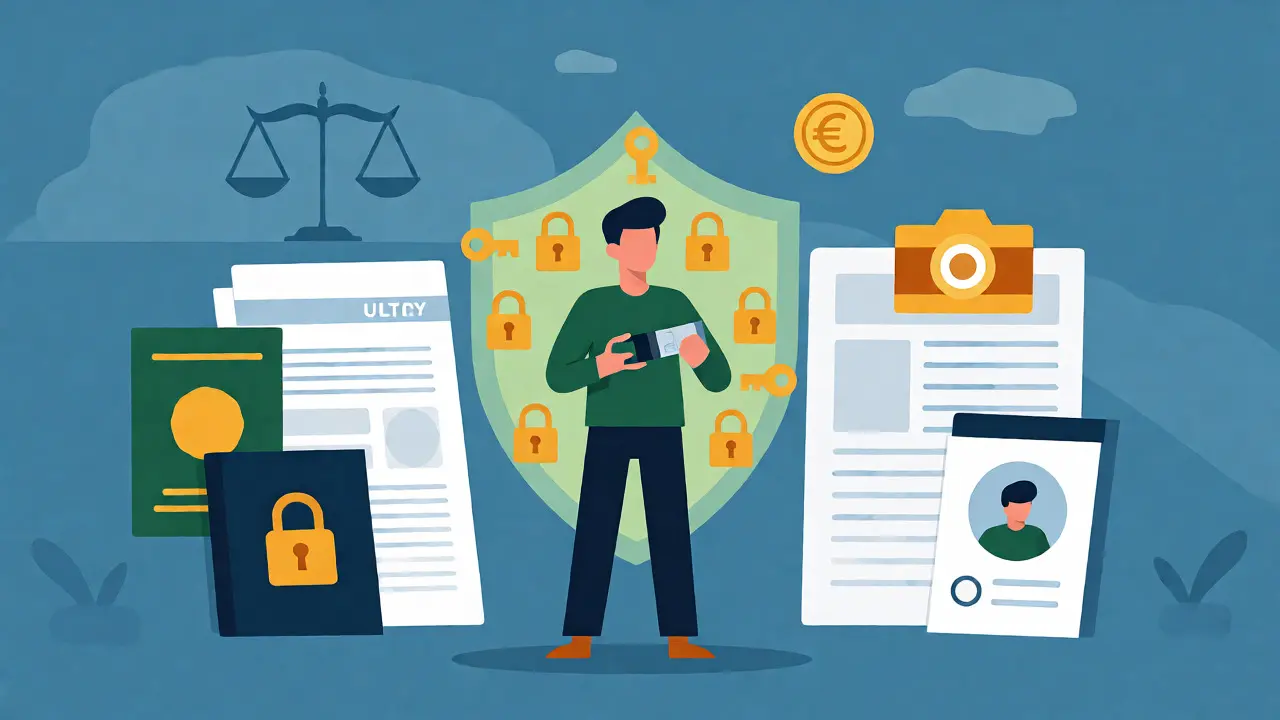
Just because the platform is regulated doesn’t mean your coins are safe from hacks. Regulation protects against fraud and mismanagement, not necessarily technical breaches. Use two-factor authentication (2FA) everywhere. Prefer hardware wallets like Ledger or Trezor for long-term holdings. Never share your seed phrase, even with support staff.
If you use a local Cypriot custodian, ask about their insurance policies. Do they cover hot wallet losses? Cold storage theft? These details matter more than flashy marketing claims.
Frequently Asked Questions
Is crypto taxable in Cyprus?
Generally, no. Individuals do not pay capital gains tax on profits from selling or exchanging cryptocurrencies. However, frequent traders may be taxed on income if deemed professional activity.
Can I use Binance in Cyprus?
Yes, but you will likely be served by their EU entity (Binance Markets Limited or similar) due to MiCA regulations. Ensure you complete full KYC verification to avoid restrictions.
Do I need a CySEC license to trade myself?
No. Licenses are required for businesses providing services to others. As an individual investor, you just need to comply with KYC requirements set by the exchange.
What happens if my exchange loses my money?
Regulated exchanges must segregate client funds from company funds. While there is no deposit guarantee scheme like for bank accounts, segregation reduces the risk of your funds being used for operational expenses during insolvency.
Are P2P trades legal in Cyprus?
Yes, peer-to-peer trading is legal. However, platforms facilitating these trades must still adhere to AML rules. Large cash P2P trades might attract scrutiny from MOKAS if patterns look suspicious.
Next Steps for Cypriot Traders
Start by checking the CySEC public register for any platform you intend to use. Verify their license status hasn’t expired. Prepare your KYC documents upfront to speed up onboarding. Choose a payment method that minimizes fees-usually SEPA instant transfers. Finally, keep a simple spreadsheet of your trades. Not for taxes right now, but for peace of mind and future-proofing against potential rule changes.
Leave a comments