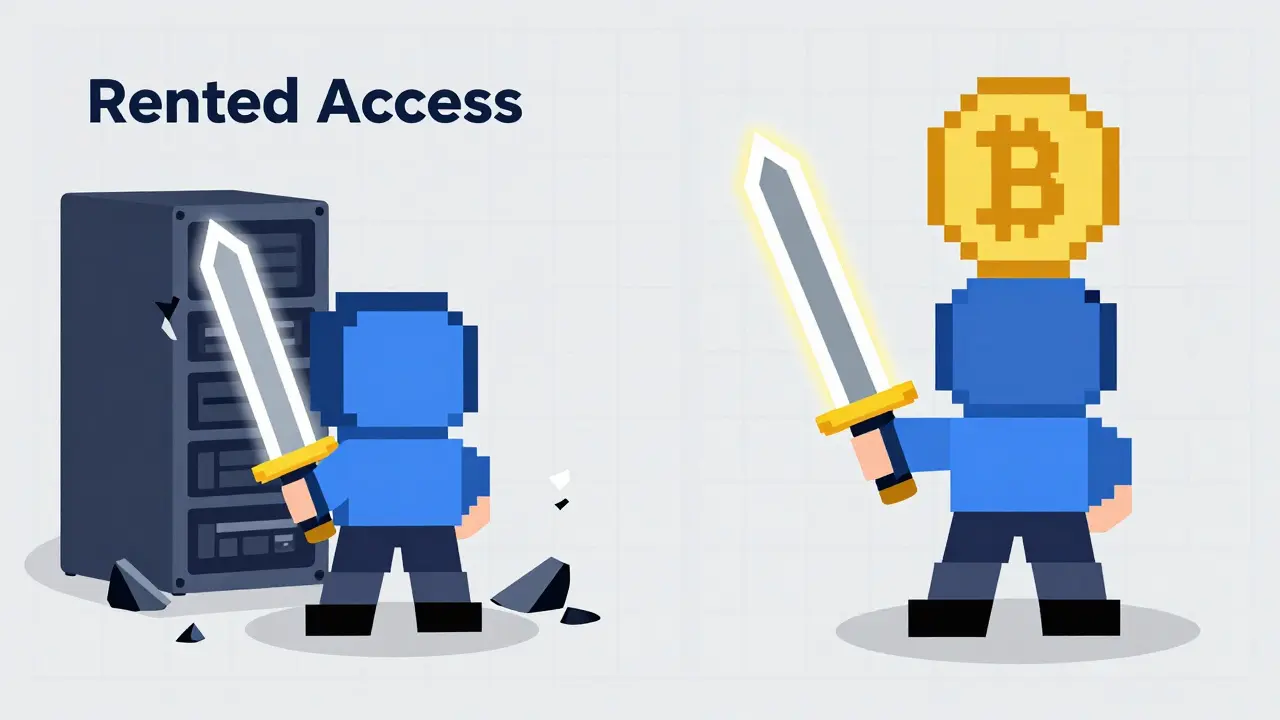
You bought that legendary sword in your favorite RPG. You spent hours grinding for it. But do you actually own it? In traditional gaming, the answer is a hard no. The developer owns the code, the server, and the item. You just have a temporary license to look at it while they let you.
That’s where NFTs come in. They promise to flip this script by giving players verifiable, on-chain ownership of their digital gear. But is it really "true ownership," or just a fancy new way for companies to sell skins? Let’s cut through the hype and look at what’s actually happening in 2026.
The Shift from Licenses to Tokens
In the old model, when you buy an item on Steam or within a mobile game, you’re renting access. If the server shuts down, your inventory vanishes. With Non-Fungible Tokens, the logic changes. An NFT is essentially a unique certificate stored on a blockchain-like Ethereum, Solana, or Cardano-that points to a specific digital asset.
This isn’t about storing the high-res texture file on the blockchain (that would be too expensive and slow). Instead, the token holds metadata describing the item and links to where the file lives, often on decentralized storage like IPFS. This creates a record of provenance. You can prove you were the first owner, who sold it to you, and that it’s one of only 100 copies ever made. That scarcity is what gives it value outside the game itself.
What Do You Actually Own?
Here’s the tricky part. Marketing teams love saying you have "full control." Legal experts say otherwise. When you buy a gaming NFT, you usually get a non-exclusive license to use that asset within specific games or platforms. You don’t own the copyright to the character design or the 3D model.
Think of it like buying a vinyl record. You own the physical disc, but you don’t own the songwriting rights. You can’t go out and perform the song commercially without permission. Similarly, with a gaming NFT, you can trade it, display it in your wallet, or use it in compatible games. But you generally can’t take the dragon skin and put it into a different game unless the developers explicitly allow interoperability. The scope of these rights is defined by the "basket of rights" set by the creator, not by default legal standards.
The Interoperability Dream vs. Reality
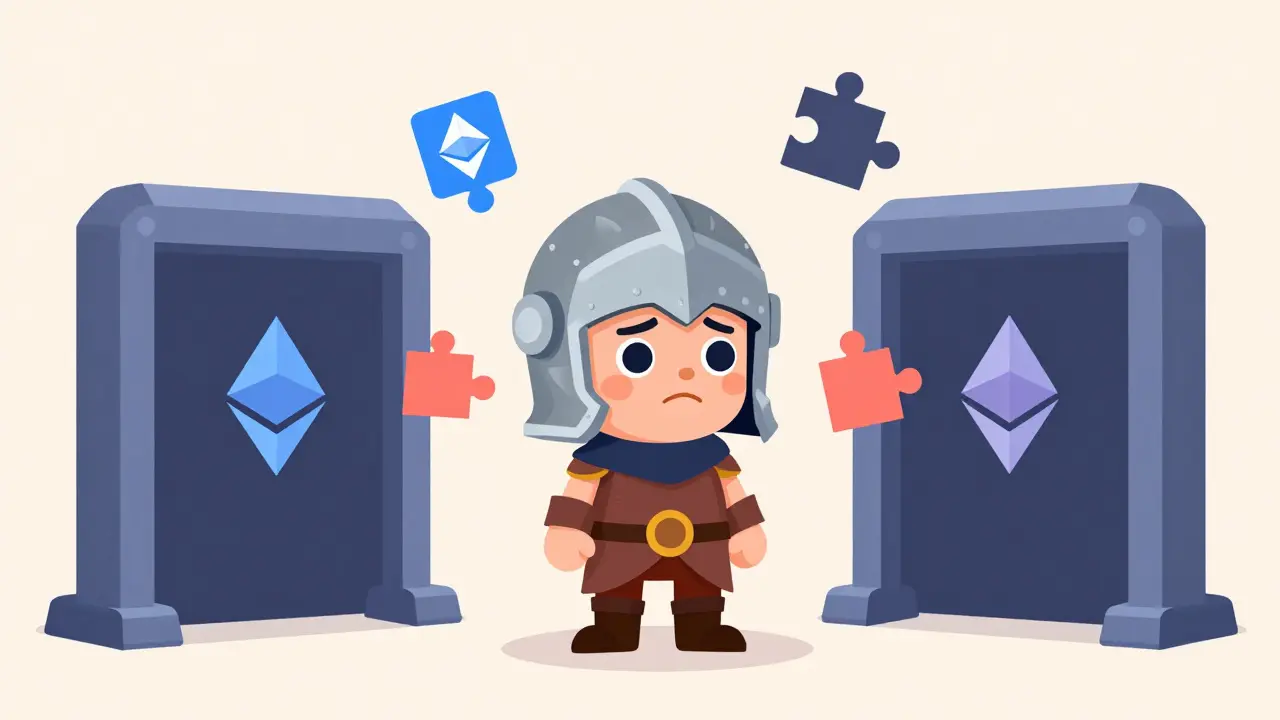
The biggest selling point for NFT gaming is interoperability. Imagine taking your rare helmet from one fantasy game and wearing it in another. It sounds cool, but it’s technically messy right now.
Different games use different blockchains, different metadata standards, and different art styles. There’s no universal "plug-and-play" system yet. While projects like Enjin are building protocols to help assets move between games, most NFTs still live in silos. You might own the token, but if Game B doesn’t support the specific standard Game A uses, your helmet stays in Game A’s vault. True cross-game utility is still a work in progress, not a finished product.
| Feature | Traditional Item | NFT Asset |
|---|---|---|
| Ownership | Limited license from publisher | Cryptographic proof of possession |
| Transferability | Locked to platform/walled garden | Tradable on open secondary markets |
| Scarcity | Controlled by developer servers | Immutable on-chain supply cap |
| Risk | Lost if server shuts down | Retained even if game closes (token remains) |
| Copyright | Publisher retains all IP rights | Publisher retains IP; player gets usage license |
The Economic Flip: Play-to-Earn
NFTs changed how we think about making money in games. Traditional microtransactions are a one-way street: you pay the company, they keep the cash. With NFTs, the economy becomes circular. Players can earn assets through gameplay and then sell them to other players for real-world currency.
This "play-to-earn" model exploded during the 2021 boom, especially in regions like Southeast Asia, where games like Axie Infinity provided significant income for some users. However, the market has cooled significantly since then. Trading volumes dropped sharply as the hype faded. Now, the focus is shifting toward sustainable economies where earning potential is balanced with actual fun, rather than treating games purely as jobs.
Technical Hurdles and User Experience
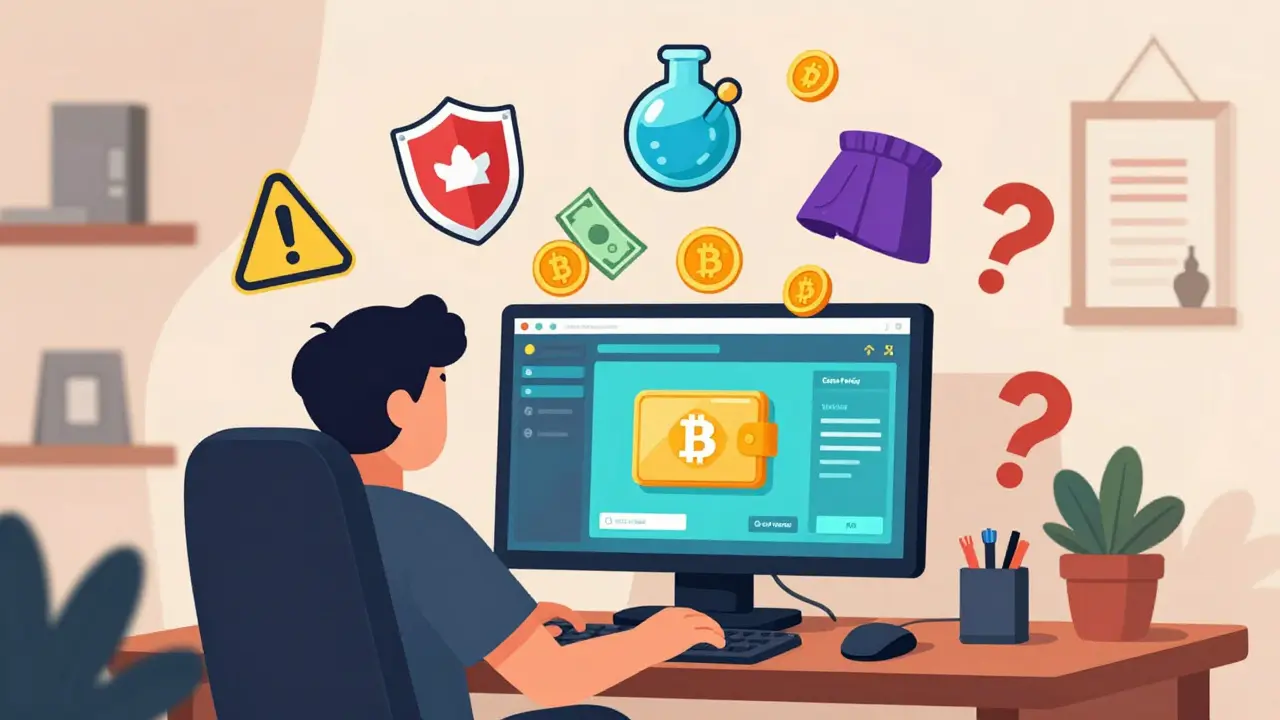
Let’s be honest: using NFTs in games is still clunky compared to clicking "Buy" with a credit card. To participate, you need a crypto wallet, like MetaMask or Phantom. You need to understand gas fees-the transaction costs paid to the network miners. On Ethereum, these can spike to $50+ during busy times, which kills the vibe for a quick skin purchase.
Faster chains like Solana offer cheaper, quicker transactions, but they come with their own learning curve. For the average gamer, managing private keys and seed phrases feels risky. If you lose your password, you lose your items forever. There’s no "forgot password" button on the blockchain. This friction is the biggest barrier to mass adoption right now.
Regulatory Landscape in 2026
The rules are getting clearer, but they vary wildly by region. In the US, the 2022 amendments to the Uniform Commercial Code classified certain NFTs as "controllable electronic records," giving them more legal weight as personal property. However, regulators like the SEC are still watching closely. If an NFT promises future profits based on the efforts of others, it might be considered a security, not just a collectible.
In Europe, the MiCA regulations provide a stricter framework for digital assets. For gamers, this means more consumer protection but also more compliance hurdles for developers. It’s less wild west, more regulated marketplace. Always check the terms of service to see exactly what rights you’re buying.
Is It Worth It?
If you care about collecting, trading, and having a piece of digital history that survives beyond a single game’s lifespan, NFTs offer something traditional gaming never could. You truly hold the asset. If the studio goes bankrupt, your token is still in your wallet.
But if you just want to play a game without worrying about wallets, gas fees, and market volatility, traditional models are still smoother. The best approach? Treat NFT gaming like any other investment. Buy what you enjoy, understand the risks, and don’t spend more than you can afford to lose. The technology is here to stay, but it’s still finding its footing.
Do I own the copyright to my gaming NFT?
No, typically not. Buying an NFT usually grants you a license to use the asset within specific contexts. The original creator or developer retains the intellectual property rights. You cannot legally reproduce or sell merchandise featuring the asset without their permission.
Can I use my NFT from one game in another game?
Only if both games support the same technical standards and have agreements for interoperability. Currently, most NFTs are locked to the ecosystem they were created in. Cross-game usage is rare and requires explicit support from both developers.
What happens to my NFT if the game shuts down?
The NFT token remains in your wallet because it exists on the blockchain, independent of the game server. However, its utility may disappear if the asset was only usable within that specific game. Its value will likely drop, but you still possess the cryptographic record of ownership.
Are NFT gaming assets a good investment?
They are highly speculative. The market has seen massive booms and busts. Value depends on community interest, the game’s longevity, and broader crypto trends. Never invest money you aren’t willing to lose entirely.
Which blockchain is best for gaming NFTs?
It depends on the game. Ethereum is the most established but has higher fees. Solana and Polygon offer faster, cheaper transactions, making them popular for high-volume gaming items. Always check which chain the specific project uses before buying.
Leave a comments