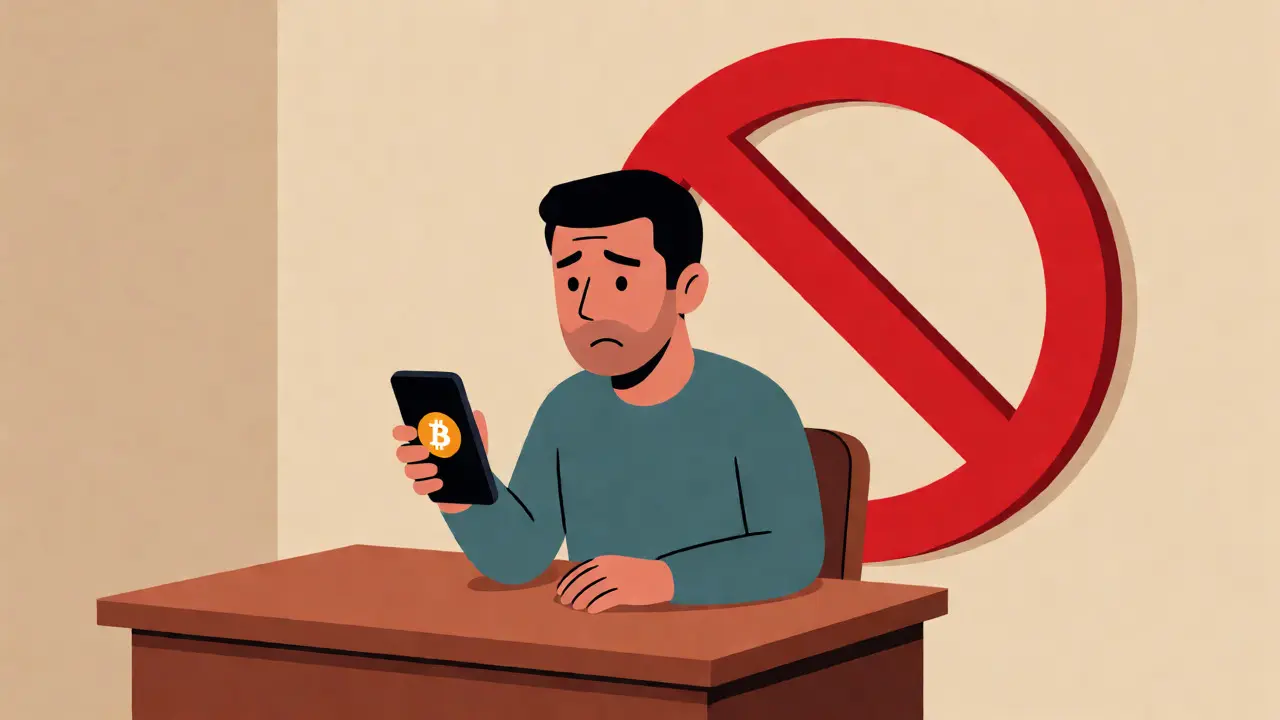
If you live in Tunisia and hold Bitcoin or Ethereum in your digital wallet, you are technically committing a crime. That isn’t an exaggeration or a scare tactic; it is the current legal reality. While the rest of the world debates how to tax digital assets, Tunisia maintains one of the strictest bans on cryptocurrency on the planet. The Central Bank of Tunisia (BCT) declared all virtual money transactions illegal back in 2018, and they haven’t looked back since.
You might think that because you can’t find a local exchange, you’re safe. But the risks go far beyond just not being able to buy coins easily. We are talking about potential imprisonment, heavy fines, and the seizure of any profits you’ve made. If you are a trader, a miner, or even someone who accepted Bitcoin for freelance work, you need to understand exactly where you stand. This guide breaks down the specific legal traps waiting for Tunisian users and what happens when the authorities come knocking.
The Core Prohibition: What Exactly Is Illegal?
Let’s get straight to the point: almost everything related to cryptocurrency is banned. The 2018 directive from the BCT doesn’t just say "crypto is unregulated"; it says crypto activities are prohibited. This covers buying, selling, mining, and using digital assets as payment. If a shop owner accepts Bitcoin for a loaf of bread, they are breaking the law. If you import an ASIC miner to dig for coins, customs can seize your equipment before you even plug it in.
The ban is comprehensive. It applies to individuals and businesses alike. There is no gray area here. You cannot legally record crypto assets on your company’s accounting books. If you try, you face compliance issues that could trigger audits. The banks are also locked out. Any transfer linked to crypto activity gets flagged and often blocked. This creates a massive barrier because you can’t use the traditional financial system to move money in or out of crypto positions without raising red flags.
The Penalties: Why Five Years in Prison Matters
This is the part that makes most people nervous. Under Tunisia’s currency control regulations, violations aren’t just slapped with a small fee. They carry criminal charges. The maximum penalty for engaging in unauthorized virtual-money transactions is five years in prison plus substantial fines. Yes, five years. That is the same level of severity you might see in jurisdictions dealing with serious financial fraud.
It’s not just about jail time. Any profits you make from illegal crypto activities are considered illicit gains. Authorities have the right to seize these funds immediately. Imagine spending three years building a portfolio, only to have the state confiscate the entire value because they decided your transaction was suspicious. For businesses, operating an exchange or marketing tokens carries the same risk. You don’t need to be a whale moving millions; the law applies to the average user participating in the market.
| Feature | Tunisia | Typical EU Country | USA |
|---|---|---|---|
| Legal Status | Prohibited / Illegal | Regulated / Taxable | Regulated / Property |
| Banking Access | Blocked / Restricted | Open with KYC | Open with Compliance |
| Max Penalty | 5 Years Prison + Fines | Fines / Civil Liability | Fines / Civil Liability |
| Mining | Seizure of Equipment | Permitted | Permitted |
Who Is Watching? The Regulatory Triad
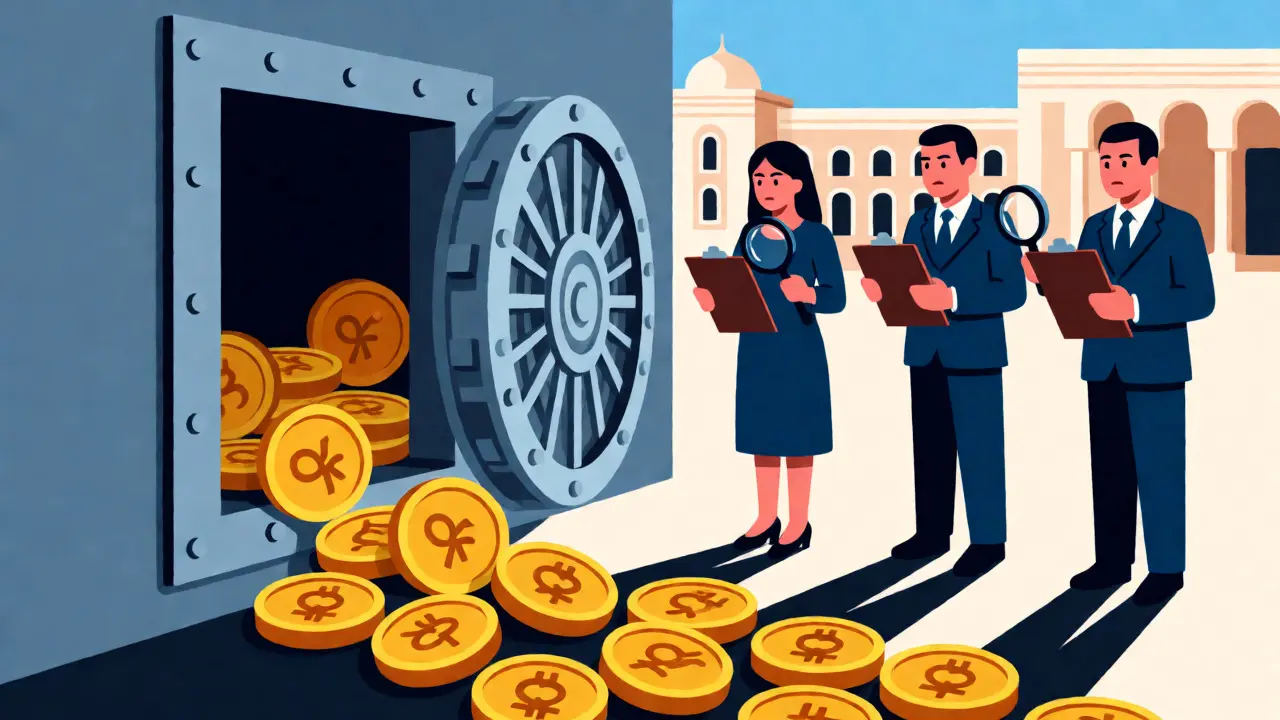
You might wonder who actually enforces this. It’s not just one agency; it’s a coordinated effort between three powerful bodies. First, there is the Central Bank of Tunisia (BCT). They are the primary watchdog for monetary policy and issued the original ban. They monitor the flow of currency and ensure that digital assets don’t undermine the Tunisian Dinar.
Then you have the Financial Market Council (CMF). Their job is to oversee capital markets. If you were trying to launch a security token or run an Initial Coin Offering (ICO), the CMF would be the one shutting you down for lacking a prospectus. Finally, there is the National Anti-Money-Laundering Commission (CTAF). This group looks at the bigger picture of financial crimes. They require banks to report suspicious transactions. If you send money abroad and it comes back looking like crypto proceeds, CTAF gets involved.
These agencies share data. So, if you are flagged by a bank for a strange international transfer, the BCT and CTAF likely know about it too. This interconnected surveillance makes it hard to hide activity, especially if you are moving significant amounts of money.
The Sandbox Exception: A Tiny Window of Hope
Is there any way to do this legally? Sort of, but it’s extremely narrow. The BCT has created a regulatory sandbox for fintech startups. Companies like VFunder and Hydro E-Blocks operate within this framework. However, this isn’t a free-for-all. These projects are strictly controlled. They usually involve blockchain technology for things like supply chain tracking or crowdfunding, rather than open-market crypto trading.
Even within the sandbox, there are limits. Projects must host their infrastructure outside Tunisia to stay compliant with local banking rules. The experiments last six to twelve months, with strict caps on user numbers and transaction volumes. For the average trader, this sandbox offers little relief. It’s designed for tech innovation, not for letting regular citizens trade Bitcoin freely. If you aren’t a registered startup with government approval, the sandbox doesn’t protect you.
Practical Risks for Everyday Traders
So, what does this look like in real life? Most Tunisians who want to trade crypto use offshore exchanges like Binance or Kraken. They fund these accounts using international cards or peer-to-peer (P2P) transfers. Here is the catch: while the exchange itself might be legal in its home country, your participation is illegal under Tunisian law.
Using a VPN to access these platforms doesn’t change the legal status. It might hide your IP address, but it doesn’t hide your bank records. When you withdraw profits to your Tunisian bank account, that incoming wire transfer triggers scrutiny. Banks are required to deny crypto-related transfers. If they allow it, they often freeze the account pending investigation. Several documented cases show users having their accounts frozen simply because the source of funds was identified as foreign crypto earnings.
P2P trading is another popular workaround. You meet someone, hand over cash, and receive USDT in your wallet. This feels safer because it bypasses the bank. But remember, the act of exchanging fiat for crypto is still prohibited. If authorities discover these informal networks, participants can face the same penalties as those using formal exchanges. Plus, without bank records, proving the legitimacy of your cash income becomes difficult if you are audited.
Why Does Tunisia Stay So Strict?
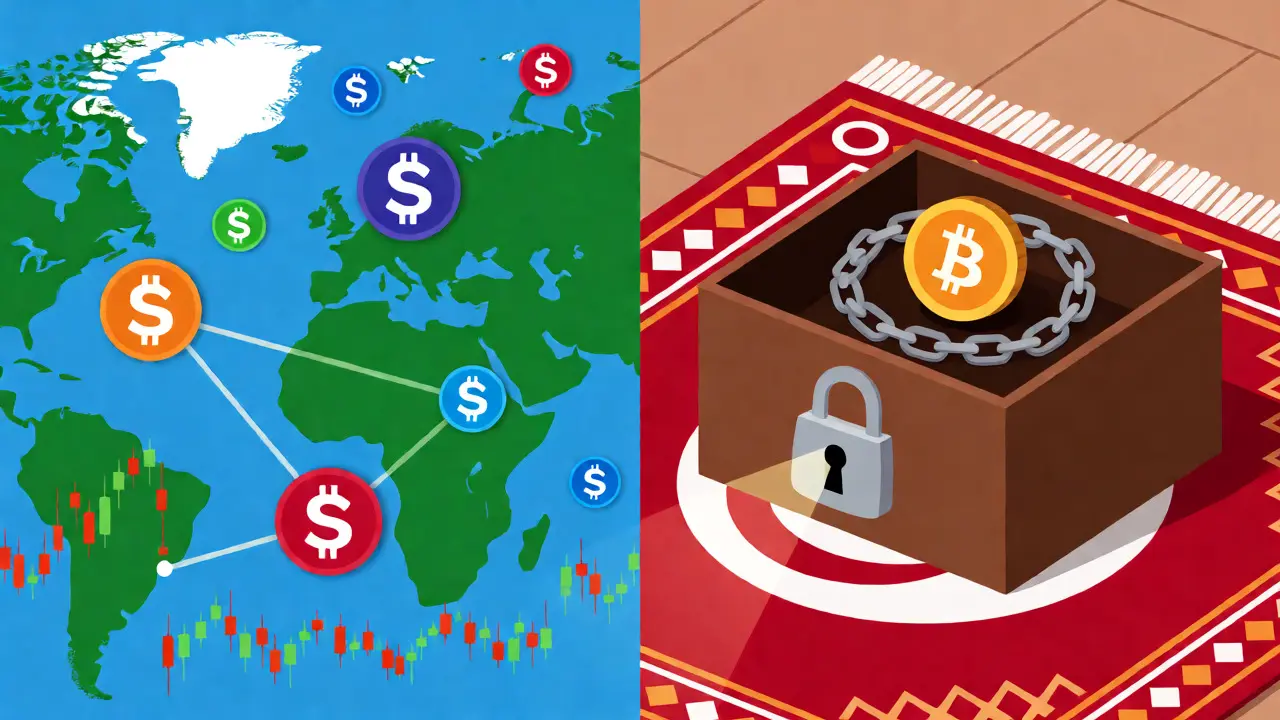
You might ask why the government holds onto such a harsh stance while neighbors like Morocco or Egypt debate softer approaches. The answer lies in monetary sovereignty. The BCT wants to maintain tight control over the Dinar. Cryptocurrency threatens that control by offering an alternative store of value that the central bank cannot regulate or print.
There is also the fear of capital flight. If Tunisians start moving wealth into Bitcoin, it drains foreign reserves. By banning crypto, the state ensures that all savings remain within the traditional banking system, where they can be monitored and taxed. It’s a protective measure, albeit a blunt one. Experts note that this approach contrasts sharply with countries like Canada or Switzerland, which use regulation to attract crypto business. Tunisia chooses isolation over integration, betting that keeping the economy closed protects stability.
Future Outlook: Will Anything Change?
As of late 2025 and early 2026, there are whispers of change, but nothing concrete. Some parliamentary discussions have floated the idea of classifying crypto as "virtual assets" subject to anti-money-laundering rules. This wouldn’t mean legalization overnight, but it could signal a shift toward regulation instead of prohibition.
However, don’t hold your breath. The current government remains firm. Until there is a clear legislative overhaul, the default position is "no." If you are planning to invest heavily, consider the risk of sudden enforcement crackdowns. The trend globally is toward adoption, which puts pressure on restrictive regimes. But political will moves slowly in Tunisia. For now, the safest bet is to assume the ban stays in place for the foreseeable future.
Checklist: Are You Exposed?
- Do you hold crypto in a personal wallet? If yes, you are technically in violation of the ban.
- Have you transferred money internationally recently? Check if the purpose was listed as investment or unknown.
- Do you accept crypto payments for services? Stop immediately. This is a direct commercial violation.
- Are you running a mining rig? Ensure it hasn’t been seized by customs upon entry.
- Is your bank account active? Frequent freezes may indicate your account is flagged for crypto activity.
Can I lose my money if I trade crypto in Tunisia?
Yes. Since crypto transactions are illegal, any profits discovered are considered illicit gains and can be seized by authorities. Additionally, if your bank freezes your account due to suspected crypto activity, accessing your funds can take months or longer.
Is using a VPN enough to avoid legal trouble?
No. A VPN hides your location online, but it does not change the legality of the transaction under Tunisian law. Your bank records and tax filings still reveal the flow of funds, which is what authorities primarily monitor.
What happens if I mine Bitcoin at home?
Mining is explicitly prohibited. Customs authorities can seize mining equipment like ASIC rigs upon import. Operating a miner constitutes a violation of the 2018 directive, exposing you to fines and potential imprisonment.
Are there any legal ways to own crypto in Tunisia?
Currently, there are no general legal pathways for individual ownership. Only approved startups within the BCT regulatory sandbox can engage with blockchain technology, and even then, they often host operations offshore to comply with banking restrictions.
Will taxes apply to my crypto profits?
Since crypto is illegal, it lacks a standard classification for taxation. Instead of paying tax, you face the risk of having your holdings confiscated as illegal proceeds. You cannot legally declare them as taxable income without admitting to a violation.
Leave a comments