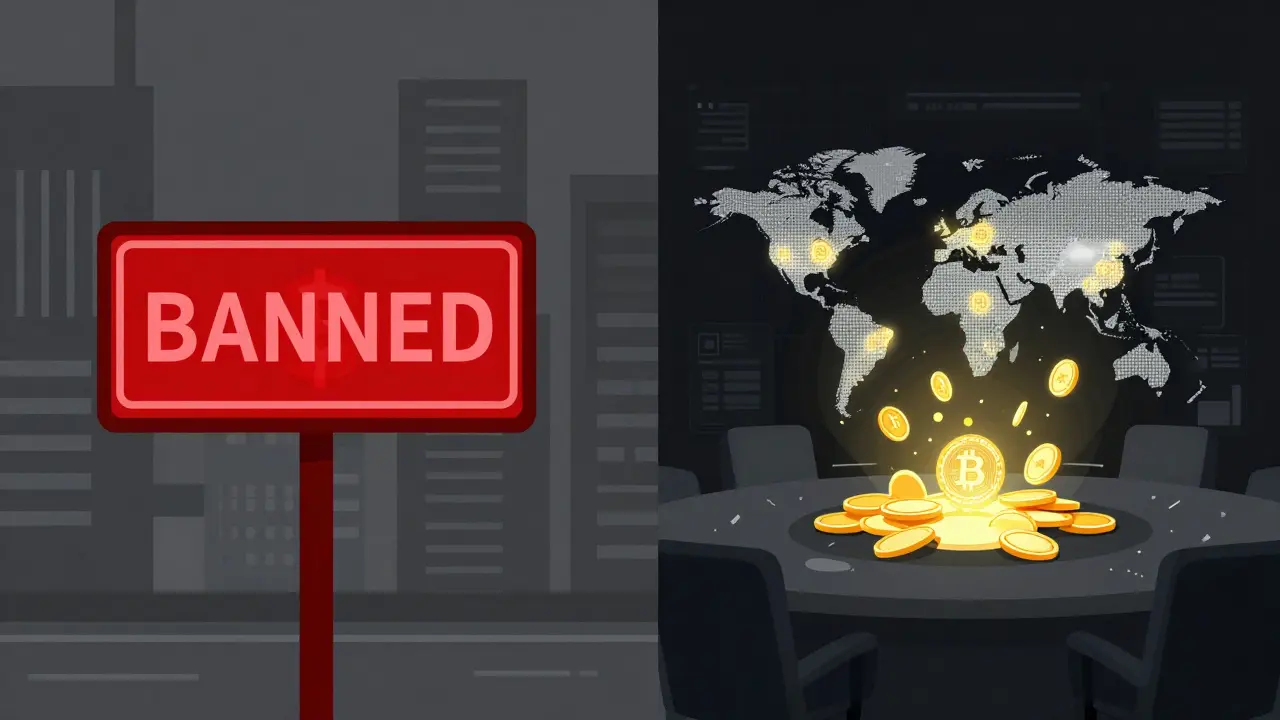
Imagine a country that bans its own citizens from touching cryptocurrency, yet runs what is essentially the world's most aggressive digital heist operation. That is the paradox of the Democratic People's Republic of Korea. While the regime keeps a tight lid on internal crypto use to prevent capital flight and maintain control, it has turned the global blockchain into a personal ATM to fund its nuclear and ballistic missile programs. In 2025, this strategy hit a fever pitch, with stolen assets reaching a scale that makes previous records look like pocket change.
The Billion-Dollar Breach: The ByBit Disaster
If you want to understand the current threat level, look no further than the ByBit a major global cryptocurrency exchange providing trading and investment services hack of February 21, 2025. The FBI dubbed the operation "TraderTraitor," and for good reason. This wasn't just another leak; it was a surgical strike that resulted in the theft of roughly $1.5 billion in virtual assets. To put that in perspective, this single event accounted for nearly 69% of all crypto stolen from services in 2025.
What makes the ByBit attack truly terrifying for security experts is the target. The hackers managed to compromise a "cold storage" wallet. For those who aren't deep into the tech, cold storage refers to hardware kept entirely offline to prevent remote hacking. It was long considered the gold standard of security. The fact that North Korean actors breached this suggests a massive leap in their capabilities or a terrifyingly effective internal leak. They didn't just steal money; they proved that the safest vaults in the industry are no longer untouchable.
How the DPRK Launders Digital Gold
Stealing a billion dollars is one thing; spending it without getting caught is another. The DPRK the Democratic People's Republic of Korea, the state governed by the Kim regime uses a sophisticated three-pronged approach to turn stolen tokens into usable cash.
First, they utilize regional hubs with loose regulations. Cambodia has become a primary laundering center. A key player here is the Huione Group a Cambodia-based financial services group identified as a primary money laundering concern. Between 2021 and 2025, about $37.6 million in North Korean-linked crypto flowed through this group. They use subsidiaries like Huione Crypto to issue stablecoins that cannot be frozen by international authorities, effectively creating a "dark" financial highway that bypasses the U.S. dollar system.
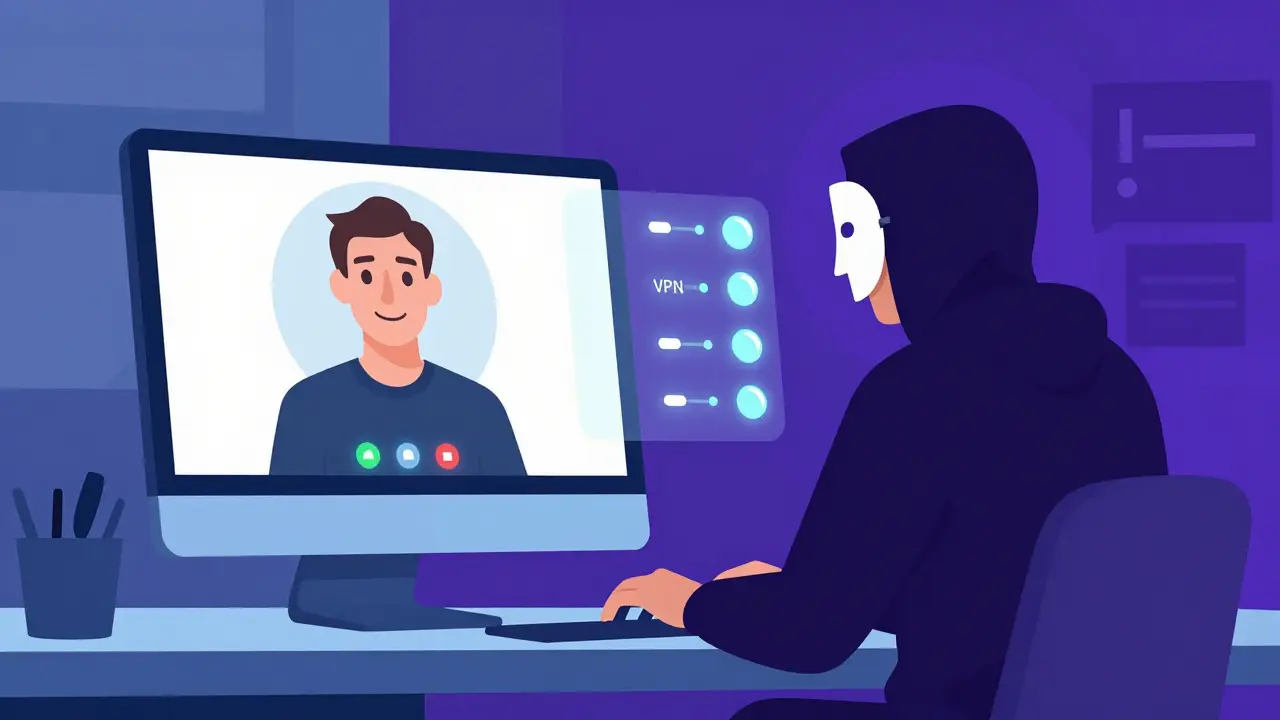
Second, the regime employs a "sleeper cell" strategy with IT workers. The United Nations estimates that North Korean IT workers posing as freelancers abroad generate up to $600 million annually. These workers use fake identities, posing as residents of Russia, China, or African nations. They use VPNs to make it look like they are working from Europe or the US, winning contracts from unsuspecting tech firms and getting paid in crypto to avoid the banking system entirely.
Third, they leverage a vast network of thousands of blockchain addresses to disperse funds. By breaking a massive haul into tiny fragments across multiple chains, they make it incredibly difficult for analytics firms to track the full trail of the money.
| Method | Primary Target | Estimated Impact/Value | Core Strategy |
|---|---|---|---|
| Exchange Hacks | Crypto Exchanges (e.g., ByBit) | $2.17B+ (2025 YTD) | Cold wallet compromise & social engineering |
| IT Freelancing | Global Tech Companies | ~$600M Annually | Identity theft & remote work deception |
| Money Laundering | Third-country Hubs (Cambodia) | $37.6M via Huione | Unfreezable stablecoins & gambling fronts |

The Human Element: Social Engineering and Infiltration
We often think of hacking as a guy in a hoodie typing code into a terminal, but the North Koreans are masters of the "human hack." They don't just look for software bugs; they look for people. The FBI found that many of these breaches start with social engineering. They infiltrate companies by hiring North Korean workers who act as insiders, or by tricking IT personnel into installing malware through highly convincing fake job offers or professional networking outreach.
This is why the Federal Bureau of Investigation The domestic intelligence and security service of the United States has been urging the private sector to be hyper-vigilant. They aren't just asking exchanges to update their firewalls; they are asking them to vet their employees and block transactions coming from addresses linked to the "TraderTraitor" group. The threat isn't just a virus; it's a person sitting in your Slack channel.
The Global Response and the Sanctions Game
The U.S. government has tried to hit back by targeting the facilitators. The OFAC The Office of Foreign Assets Control, a division of the U.S. Treasury that administers economic and trade sanctions has sanctioned entities like the Korea Sobaeksu Trading Company and individuals like Jo Kyong Hun, who led IT teams designed to evade sanctions. These sanctions are meant to sever the regime's ties to the legitimate global financial system.
However, the scale of the 2025 thefts shows that sanctions have a ceiling of effectiveness. When you can steal $1.5 billion in a single afternoon, a few targeted sanctions on front companies feel like a drop in the bucket. U.S. Senators Elizabeth Warren and Jack Reed have pointed out that the U.S. needs to "redouble its efforts," as the current toolkit isn't keeping pace with the speed of blockchain movement.
Why Traditional Security is Failing
For years, the industry relied on the idea that "offline equals safe." The ByBit hack killed that myth. The current security landscape is failing because it is reactive. We wait for a hack, identify the address, and then try to block it. By then, the assets have already passed through a mixer or been converted into stablecoins via a Cambodian gambling site.
To actually stop this, cryptocurrency exchanges will need to spend significantly more on cybersecurity. This means moving beyond basic multi-sig wallets and adopting more aggressive, real-time AI monitoring for transaction patterns that mirror North Korean laundering behavior. The regime is treating crypto theft as a state industry, and the defense needs to be just as organized.
Why does North Korea ban crypto if they use it to steal?
The ban is for their citizens, not the state. By banning crypto internally, the regime prevents people from moving money out of the country or accessing foreign currencies, which would weaken the government's total control over the economy. Meanwhile, the state uses crypto as a tool for external revenue generation and sanctions evasion.
What is the "TraderTraitor" operation?
TraderTraitor is the designation given by the FBI to the North Korean actors responsible for the massive ByBit exchange hack on February 21, 2025, which resulted in the theft of approximately $1.5 billion in virtual assets.
How do North Korean IT workers trick companies?
They use fake identities, pretending to be from countries like China or Russia, and utilize VPNs to mask their location as the US or Europe. They create professional portfolios and win freelance contracts, receiving payment in cryptocurrency to bypass financial tracking.
Can stolen cryptocurrency be recovered?
It is extremely difficult. Once assets are moved through mixers or converted to unfreezable stablecoins via laundering hubs like Cambodia's Huione Group, they become nearly impossible to track or claw back without the cooperation of the entities controlling those hubs.
What is cold storage and why was the ByBit hack so significant?
Cold storage is a method of keeping cryptocurrency keys offline (on hardware) so they cannot be hacked remotely. The ByBit hack was significant because the attackers successfully breached this "offline" security, proving that even the highest level of industry protection can be compromised by state-sponsored actors.
What to do if you're a business owner
If you hire remote developers or manage digital assets, you can't afford to be complacent. First, tighten your KYC (Know Your Customer) processes. Don't just trust a LinkedIn profile; use multi-factor identity verification. Second, if you run a crypto service, assume your cold storage can be breached. Implement aggressive monitoring for unusual outflows and maintain a tight relationship with blockchain analytics firms to spot "TraderTraitor" patterns before the money disappears forever.
Leave a comments