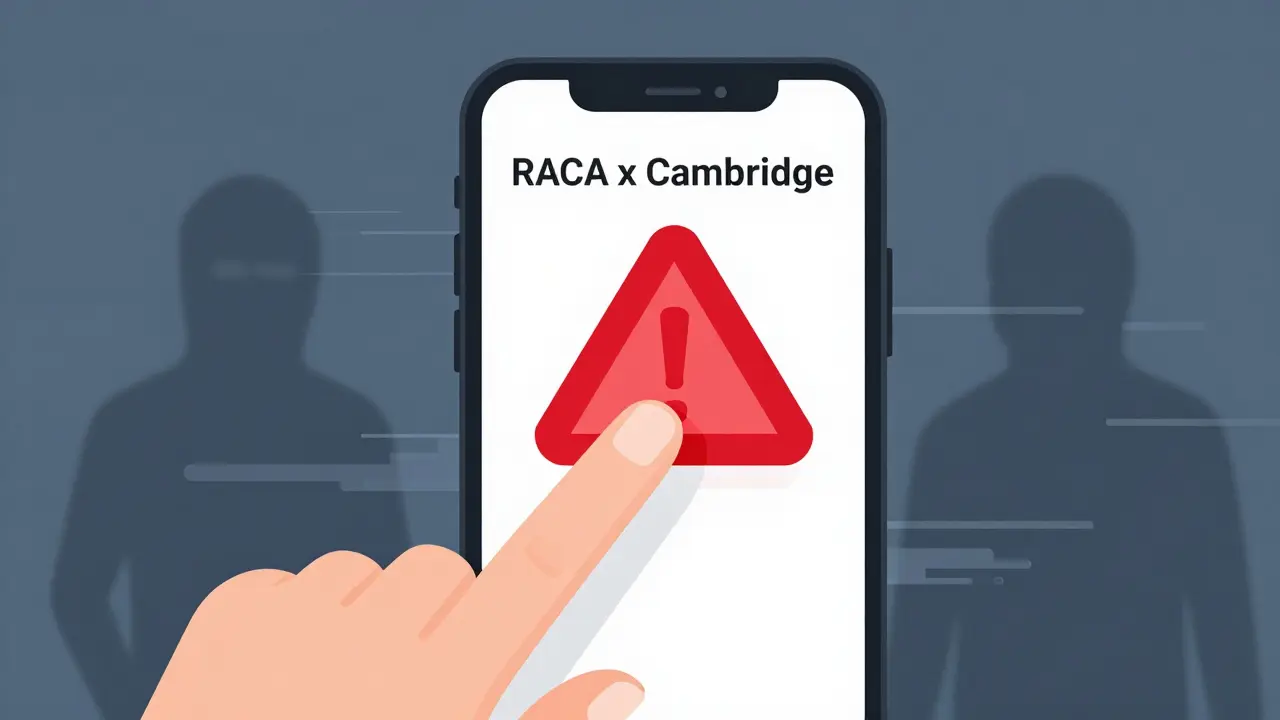
Did you hear about the "RACA × Cambridge" airdrop? Before you rush to connect your wallet or hand over your private keys, pause. As of mid-2026, there is no official record of a legitimate partnership between Radio Caca (RACA) and any entity named "Cambridge" for a token distribution. In fact, this specific phrasing often appears in phishing campaigns designed to steal funds from eager crypto users.
The crypto space moves fast, and scammers are faster. They take real project names like RACA and pair them with prestigious-sounding words like "Cambridge" to create fake hype. If you are looking for genuine ways to earn RACA tokens or want to understand how to spot these traps, this guide breaks down the reality of the current landscape, how legitimate airdrops actually work, and how to protect your assets.
The Reality Check: No Official "Cambridge" Partnership
Let’s get straight to the point. Radio Caca is a well-known meme coin built on the Solana blockchain. It gained traction in 2024 and 2025 due to its community-driven marketing and humorous branding. However, after checking official channels-including their verified Twitter/X account, Discord server, and website-there is zero evidence of a collaboration with an institution or group called "Cambridge."
Why does this matter? Because legitimacy is the first filter in any airdrop hunt. Legitimate projects announce partnerships on-chain and through verified social media accounts. They do not rely on vague tweets from unverified accounts or random Telegram groups. If you saw a post claiming "RACA x Cambridge Airdrop Live Now," it is almost certainly a scam. These fakes usually lead to websites that ask you to "approve" a transaction, which gives the attacker access to drain your wallet.
Always verify announcements directly from the source. For RACA, that means checking their official documentation and pinned posts. If it isn’t there, it doesn’t exist.
How Real Crypto Airdrops Work in 2026
To avoid falling for fakes, you need to know what a real airdrop looks like. In the current market cycle, legitimate airdrops follow a predictable pattern. Understanding this helps you separate signal from noise.
Most genuine distributions involve three key phases:
- Snapshots: The project takes a snapshot of the blockchain at a specific block height. This records who holds the token or uses the protocol at that exact moment. You don’t "sign up" for this; you just need to be active or holding assets before the date.
- Eligibility Criteria: Projects look for specific behaviors. Did you bridge funds? Did you provide liquidity? Did you hold the token during a certain period? For example, many Layer 2 networks rewarded users who bridged ETH early on.
- Claiming Period: Once eligible wallets are identified, a claim site goes live. You connect your wallet, see your allocation, and pay a small gas fee to receive the tokens. Crucially, you never send tokens *to* the project to claim them.
If a scheme asks you to send money first, buy a "registration NFT," or enter your seed phrase, it is a scam. Period.
Legitimate Ways to Get RACA Tokens
Since the "Cambridge" angle is a red herring, how can you actually acquire RACA? There are standard, safe methods available to all investors. These aren't "free money" schemes, but they are reliable ways to build a position.
1. Centralized Exchanges (CEXs)
RACA is listed on several major exchanges. Platforms like Binance, KuCoin, and Gate.io allow you to buy RACA with fiat currency or other cryptocurrencies like USDT or SOL. This is the easiest method for beginners. You simply place a market or limit order. The risk here is low, provided you use two-factor authentication (2FA) on your exchange account.
2. Decentralized Exchanges (DEXs)
For those who prefer self-custody, RACA trades on Solana-based DEXs like Raydium and Jupiter. You will need a wallet like Phantom or Solflare. Connect your wallet, swap SOL for RACA, and keep the tokens in your own wallet. Be mindful of slippage settings and ensure you are interacting with the correct contract address to avoid buying a fake token with the same name.
3. Community Engagement
While not guaranteed, some projects reward active community members. Joining the official RACA Discord or following their Twitter might reveal future legitimate campaigns. However, treat these as bonus opportunities, not income sources. Never pay for "early access" or "guaranteed spots" offered by random DMs.
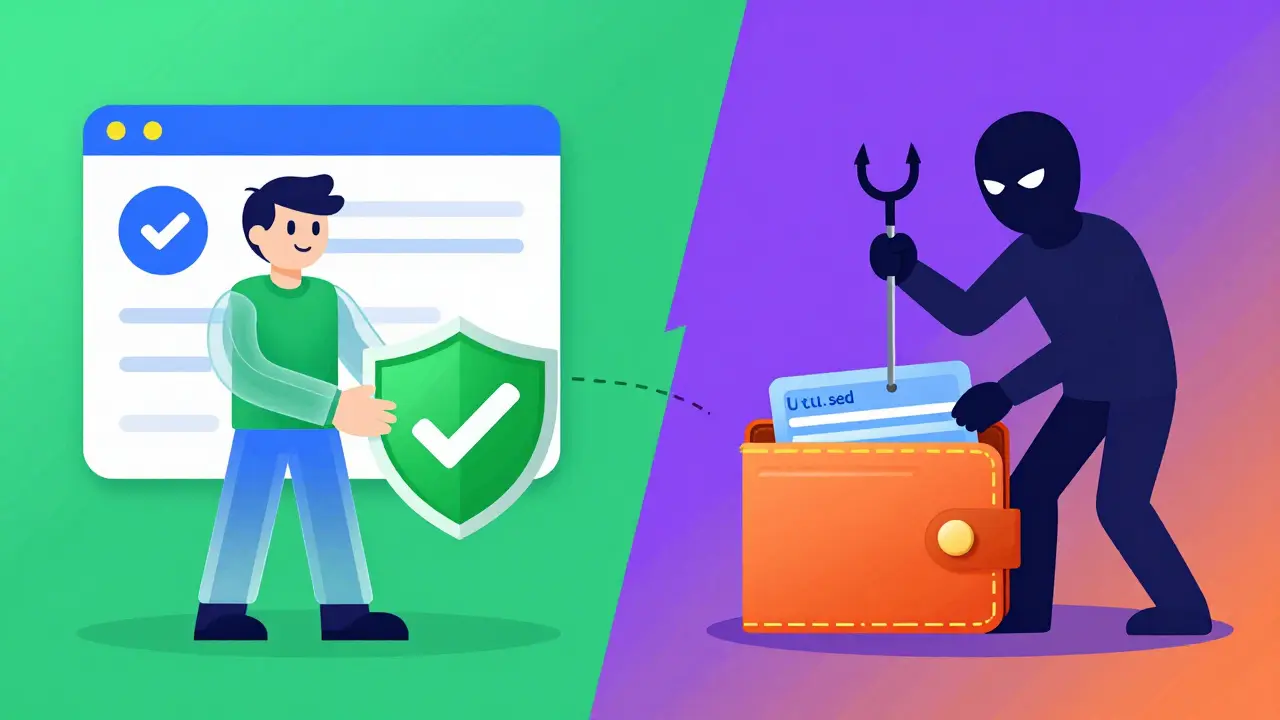
Red Flags: How to Spot Airdrop Scams
Scammers are sophisticated. They create professional-looking websites and mimic official branding. Here is a checklist to validate any airdrop offer before you click anything.
| Feature | Legitimate Airdrop | Scam / Phishing |
|---|---|---|
| Source | Announced on official, verified social media accounts | Found via unsolicited DM, email, or random forum post |
| Cost | Free to claim (you only pay network gas fees) | Asks for upfront payment, "verification fee," or minimum deposit |
| Wallet Interaction | Read-only connection or simple signature to claim | Asks for private keys, seed phrases, or unlimited approval limits |
| Urgency | Clear timeline with reasonable deadlines | "Claim within 1 hour or lose everything!" panic tactics |
| URL | Matches the official domain exactly (check for typos) | Misspelled domains (e.g., raca-airdrop.com instead of radiocaca.com) |
Pay special attention to the URL. Scammers often register domains that look similar to the real one. If you are unsure, copy the link and paste it into a tool like VirusTotal or check the domain age using Whois. New domains registered days ago are highly suspicious for established projects.
Protecting Your Wallet: Best Practices
Even if you are careful, mistakes happen. Adopting a security-first mindset is essential for long-term survival in crypto. Here are practical steps to minimize risk.
Use a Burner Wallet
Never connect your main wallet-the one holding your life savings-to unknown dApps or airdrop sites. Create a separate wallet with a small amount of funds specifically for testing new protocols or claiming airdrops. If that wallet gets compromised, your main assets remain safe.
Revoke Permissions Regularly
When you interact with smart contracts, you sometimes grant them permission to spend your tokens. Over time, these permissions accumulate. Use tools like Revoke.cash (for EVM chains) or Solana-specific revocation tools to audit and remove unnecessary approvals. This prevents hackers from draining your wallet even if they find a vulnerability in an old contract.
Enable Hardware Security
For significant holdings, use a hardware wallet like Ledger or Trezor. These devices keep your private keys offline. Even if your computer is infected with malware, the attacker cannot sign transactions without physical confirmation on the device.
Understanding Tokenomics and Vesting
If you do receive legitimate tokens, understanding what happens next is crucial. Many airdrops come with vesting schedules. This means you don’t get all your tokens at once. Instead, they unlock over time. For example, 20% might be available immediately, with the rest releasing monthly over six months.
Check the project’s whitepaper or announcement for these details. If a token has high inflation or large unlocks coming up, the price may drop as early recipients sell. Do your own research (DYOR) on the total supply and circulating supply before deciding to hold or sell.
What To Do If You’ve Been Scammed
If you accidentally sent funds to a scammer or connected your wallet to a malicious site, act quickly.
- Disconnect Immediately: Go to your wallet settings and disconnect the malicious site.
- Move Funds: If you still have assets in that wallet, create a brand new wallet and transfer everything out. Do not leave anything behind.
- Revoke Approvals: Use a revocation tool to cancel any permissions granted to the scam contract.
- Report It: Report the incident to the platform where you saw the scam (Twitter, Telegram, etc.) and consider filing a report with local cybercrime authorities. While recovery is rare, reporting helps shut down operations.
Remember, lost crypto is rarely recoverable. Prevention is your only real defense.
Conclusion: Stay Skeptical, Stay Safe
The "RACA × Cambridge" airdrop is a prime example of why skepticism is your best friend in crypto. There is no such partnership. By sticking to verified sources, using secure wallets, and ignoring too-good-to-be-true offers, you can navigate the market safely. Focus on legitimate ways to acquire RACA through exchanges or direct swaps, and always prioritize the security of your private keys. The crypto world rewards patience and caution, not haste and gullibility.
Is the RACA x Cambridge airdrop real?
No, it is not real. There is no official partnership between Radio Caca (RACA) and any entity named Cambridge. This is likely a phishing scam designed to steal cryptocurrency from users.
How can I legitimately get RACA tokens?
You can buy RACA on centralized exchanges like Binance or KuCoin, or trade it on decentralized exchanges like Raydium and Jupiter using a Solana-compatible wallet.
What should I do if I clicked a suspicious airdrop link?
Immediately disconnect your wallet from the site, move any remaining funds to a new, secure wallet, and revoke any token approvals using a tool like Revoke.cash.
Do legitimate airdrops cost money?
Legitimate airdrops are free to claim, though you may need to pay a small network gas fee. Any request for upfront payment, deposits, or "verification fees" is a scam.
Where can I verify official RACA announcements?
Check the official Radio Caca website, their verified Twitter/X account, and their official Discord server. Always cross-reference information across multiple official channels.
Leave a comments