Everyone loves free money, especially in the volatile world of cryptocurrency. But when you see an announcement for the RARA Unifarm airdrop, do you actually know what you're signing up for? Or are you just chasing the hype train before it leaves the station?
The RARA protocol has been making waves by combining unique digital assets with farming mechanics. If you've heard whispers about the Unifarm platform distributing tokens to early users, you're probably wondering: Is this legit? How do I qualify? And most importantly, is the reward worth the gas fees?
Key Takeaways
- Eligibility: Participation typically requires holding specific NFTs or interacting with smart contracts prior to a snapshot date.
- Mechanism: The airdrop uses a retroactive model, rewarding past activity rather than future speculation.
- Risk Factor: Always verify official sources; scam clones often mimic popular airdrop names like RARA.
- Claim Process: Tokens are usually distributed via direct claim on the project's dApp, not sent automatically to wallets.
What Exactly Is the RARA Protocol?
To understand the airdrop, you first need to grasp the engine driving it. RARA is a decentralized protocol designed to enhance the utility and liquidity of Non-Fungible Tokens (NFTs). Unlike traditional NFT projects where ownership is static, RARA introduces dynamic attributes that change based on user interaction. Think of it as giving your digital collectibles a heartbeat.
The core innovation here is the integration of gaming-like mechanics into financial instruments. By allowing NFTs to evolve, RARA aims to solve the illiquidity problem that plagues many high-value digital assets. When you hold a RARA asset, you aren't just storing a JPEG; you're participating in an ecosystem where value accrues through engagement. This foundational layer is crucial because the Unifarm airdrop is essentially a reward system for fueling this ecosystem.
Decoding the Unifarm Connection
You might be asking, "Where does Unifarm fit into all this?" Unifarm acts as a yield aggregator and farming interface within the broader DeFi landscape. In the context of RARA, Unifarm serves as the venue where users can stake their assets or provide liquidity to earn rewards. It’s not just a passive wallet; it’s an active playground for capital efficiency.
The synergy between RARA and Unifarm creates a compelling narrative for investors. While RARA provides the unique assets, Unifarm provides the infrastructure to make those assets productive. The airdrop serves as a bridge, incentivizing users to move from simple ownership to active participation. This dual-token approach-where one token represents the asset and another represents the governance or utility-is becoming standard in sophisticated DeFi protocols.
How Eligibility Works: Who Gets Paid?
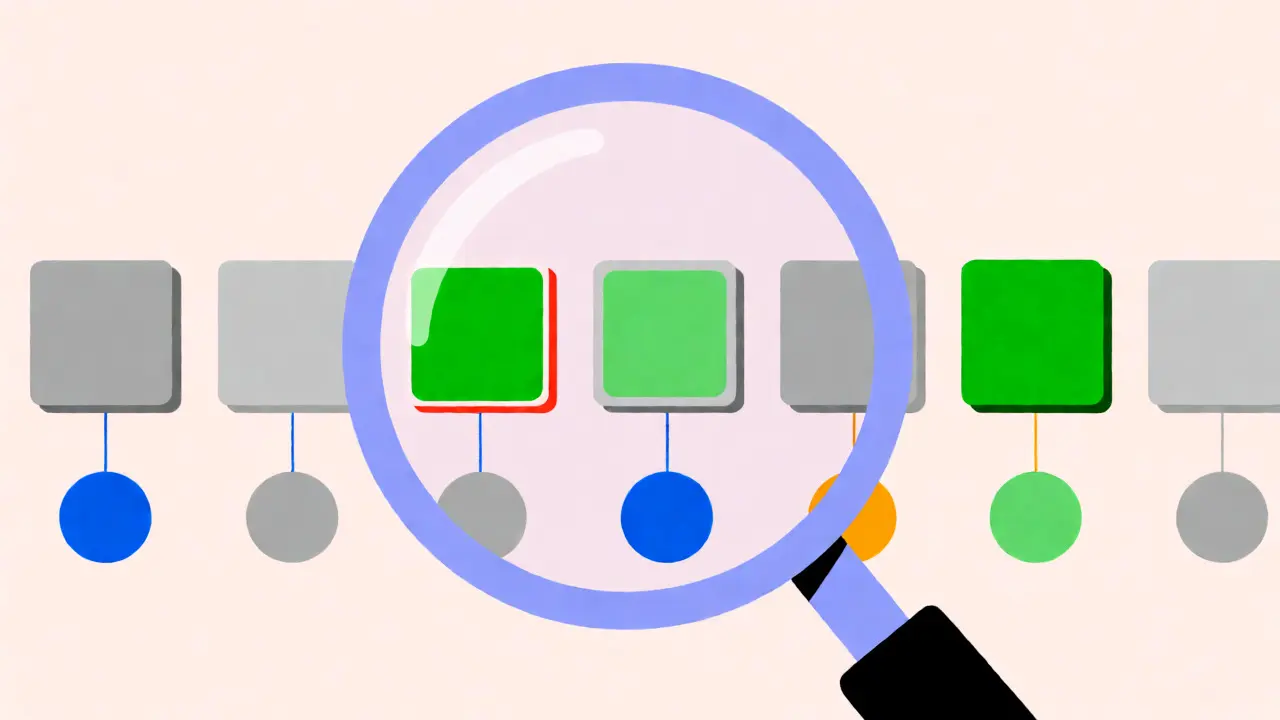
Not everyone who downloads a wallet gets paid. Retroactive airdrops, like the one potentially associated with RARA Unifarm, rely heavily on specific criteria. These criteria are designed to filter out sybil attackers (people creating multiple fake wallets) and reward genuine users.
Typically, eligibility hinges on three main factors:
- Snapshot Dates: The protocol takes a picture of the blockchain state at a specific time. If you weren't active then, you're likely excluded.
- Transaction Volume: Simply holding isn't enough. Protocols often look for a minimum number of interactions, such as swaps, stakes, or mints.
- Asset Diversity: Holding different types of assets or engaging with multiple pools can boost your allocation score.
It’s vital to check the official RARA documentation for the exact snapshot window. Missing a deadline by even one block can mean missing out entirely. Don't rely on second-hand Twitter threads; always cross-reference with the contract addresses listed on reputable block explorers like Etherscan or Solscan, depending on which chain RARA operates on.
Step-by-Step Guide to Claiming Your Airdrop
Once you’ve confirmed your eligibility, the next hurdle is the actual claim process. This is where many beginners stumble, often falling prey to phishing scams disguised as official claim portals.
- Verify the Official URL: Bookmark the official RARA website. Scammers buy ads with similar names. Ensure the domain matches exactly what the team announced.
- Connect Your Wallet: Use a hardware wallet if possible. Connect your MetaMask, Phantom, or other compatible wallet to the dApp.
- Review Transaction Fees: Claiming usually involves a small network fee. Check current gas prices to avoid overpaying during network congestion.
- Sign the Transaction: Approve the claim transaction. Never sign a message that grants unlimited spending allowance unless necessary.
- Monitor Your Balance: Once confirmed, the tokens should appear in your wallet. If they don’t, add the contract address manually to your token list.
Comparing RARA to Other Major Airdrops
How does the RARA Unifarm opportunity stack up against giants like Uniswap or Arbitrum? Let’s look at the data.
| Project | Airdrop Type | Average Reward Value (USD) | Key Requirement |
|---|---|---|---|
| Uniswap (UNI) | Retroactive Governance | $1,200+ (Initial) | Any prior swap activity |
| Arbitrum (ARB) | Layer 2 Usage | $500 - $2,000 | Bridging and frequent transactions |
| RARA Unifarm | NFT & Farming Engagement | Varies (Speculative) | Holding specific NFTs + Staking |
Notice the pattern? Uniswap rewarded broad usage. Arbitrum rewarded heavy L2 activity. RARA seems to target niche engagement with its unique NFT mechanics. This specificity means fewer participants but potentially higher per-user rewards if the token launches successfully.
Pitfalls to Avoid
The crypto space is littered with "airdrops" that turn out to be dust collectors. Here is how to protect yourself:
Beware of Fake Sites: If a site asks for your seed phrase to "verify" your eligibility, run. Legitimate airdrops never ask for private keys or seed phrases.
Check Tokenomics: Before claiming, look at the total supply and circulating supply. If the team holds 80% of the tokens and unlocks them immediately, expect price pressure. Look for vesting schedules that lock team tokens for 6-12 months.
Gas Fee Calculation: If the estimated airdrop value is $50 and gas fees are $40, you’re barely breaking even. Calculate your net profit before hitting confirm.
The Future of RARA and Unifarm Integration
Looking ahead, the success of this airdrop depends on long-term sustainability. Will users keep farming after the initial excitement fades? The integration of RARA’s dynamic NFTs with Unifarm’s yield strategies suggests a focus on retention. If the gamification elements prove engaging, the community will stick around. If not, the token price may suffer post-airdrop sell-offs.
Keep an eye on developer activity. Regular updates to the smart contracts and new feature releases are strong indicators of a healthy project. Silence from the dev team is often a red flag, regardless of how shiny the marketing looks.
Frequently Asked Questions
Is the RARA Unifarm airdrop guaranteed?
No airdrop is truly guaranteed until the token is claimed and tradable. Projects can cancel, delay, or alter distribution terms. Always treat pending airdrops as potential value, not confirmed income.
Do I need to pay taxes on my RARA airdrop?
In most jurisdictions, including New Zealand and the US, airdrops are considered taxable income at their fair market value upon receipt. Consult a local tax professional for advice specific to your situation.
Can I use multiple wallets to get more RARA tokens?
Many protocols implement anti-sybil measures that penalize users with multiple wallets linked to the same IP address or funding source. It’s safer to consolidate activity into one primary wallet unless the rules explicitly allow multi-wallet farming.
What happens if I miss the claim deadline?
If you miss the claim window, your tokens are typically returned to the treasury or burned. Some projects offer a grace period, but rarely. Always set calendar reminders for key dates.
Is RARA built on Ethereum or Solana?
Specific chain details depend on the latest technical whitepaper. Historically, many such projects start on Ethereum due to its robust DeFi infrastructure, but cross-chain deployments are common. Check the official GitHub repository for the most accurate deployment status.
liam & the bees
31 08 26 / 10:23 AMGreat breakdown of the mechanics here. For anyone in Ireland or the EU, remember that the tax implications for airdrops can be tricky depending on whether it's classified as income or capital gain upon receipt versus disposal. I've found that keeping detailed records of the fair market value at the exact time of claim saves a lot of headaches with Revenue later on. Also, don't forget to check if your wallet provider supports the specific token standard used by RARA before you even try to connect, otherwise you might end up with tokens sitting in a contract you can't interact with easily.
Edward Ogunfolaju
1 09 26 / 15:42 PMStop overthinking the gas fees! The real money is in the long-term hold not the immediate flip. If you aren't staking immediately after claiming you are leaving free yield on the table. Get in get active and let the ecosystem do the work for you!
Liam Grimes
1 09 26 / 22:33 PMyeah this is solid advice but i think people underestimate how hard it is to avoid sybil detection. if you funded multiple wallets from the same exchange account they will flag you instantly. better to keep it simple with one main wallet and just maximize interactions there instead of spreading thin across five different addresses. also watch out for fake twitter accounts asking you to sign weird messages.
Matthew O'Neill
2 09 26 / 15:54 PMThe notion that 'dynamic attributes' solve illiquidity is intellectually lazy marketing fluff. You're confusing gamification with actual financial utility. Until these NFTs have a secondary market depth comparable to ERC-20s, they remain speculative toys dressed up as DeFi primitives. Most users won't care about 'heartbeat' metaphors when their portfolio drops 40% post-airdrop due to low circulating supply manipulation.
Jarnail Singh
3 09 26 / 05:45 AMWhile Western projects often struggle with community retention, we see far more sustainable engagement models emerging from Asian markets where gaming integration is culturally ingrained rather than just a buzzword. 😎 It is quite amusing to see European analysts trying to apply traditional banking logic to what is essentially a digital collectible economy. We should look towards protocols that understand the social layer of blockchain, not just the smart contracts. 🚀
Ashwini Chaskar
5 09 26 / 00:39 AMi feel like everyone is just chasing pumps again without understanding the tech behind it... its sad really that people dont read the docs anymore and just trust influencers who are probably paid shills anyway... the emotional toll of watching your bags dump right after claim is something nobody talks about enough... we need to be more mindful about our mental health in crypto not just our wallets...
Sam Ariafar
6 09 26 / 20:02 PMI appreciate the emphasis on verifying official sources. Too many people lose funds because they click the first ad result on Google. Patience and verification are virtues in this space, not weaknesses. Protecting your seed phrase is non-negotiable regardless of how shiny the new protocol looks.
Jane yuan
8 09 26 / 09:47 AMThe essence of value lies not in the code but in the collective belief of the participants. RARA attempts to manufacture meaning through interaction which is a philosophical shift from passive ownership. Whether this holds true depends on human nature rather than algorithmic efficiency.
Ian Munro
9 09 26 / 06:27 AMGas fees are currently high. Wait for a weekend drop if possible. Claiming now costs more than some small allocations.
Dave Worth
10 09 26 / 01:04 AMThey always say "check official docs" but the official docs are written in legalese designed to confuse retail investors 🤔. I bet the snapshot date was moved silently three times before the announcement. They want us to miss the deadline so they can burn the unclaimed tokens and pump the price for insiders 🕵️♂️. Don't trust the timeline, trust the blockchain history. 📉📈
Matt Reckdenwald
10 09 26 / 07:12 AMIt’s beautiful to see such a thoughtful analysis. We must remember that behind every transaction is a person hoping for a better future. Let’s approach this with empathy and caution, ensuring that we don’t let greed cloud our judgment. The community thrives when we support each other through the volatility, sharing knowledge rather than hoarding it. This airdrop could be a beacon of hope if handled with integrity and care for the less experienced members among us.
Emmanuel Ogbomo
10 09 26 / 13:54 PMExistence precedes essence, even in digital assets. The value of RARA is defined by its use case, not its potential. If the farming mechanics do not offer tangible returns beyond speculation, the project remains an abstraction. Observe the data before forming conclusions.
Laine Van Sickle
11 09 26 / 21:56 PMugh too much reading lol. just send me the link to claim pls. i dont care about the tech stuff i just want my free coins. hope its not another scam cause im tired of losing money.