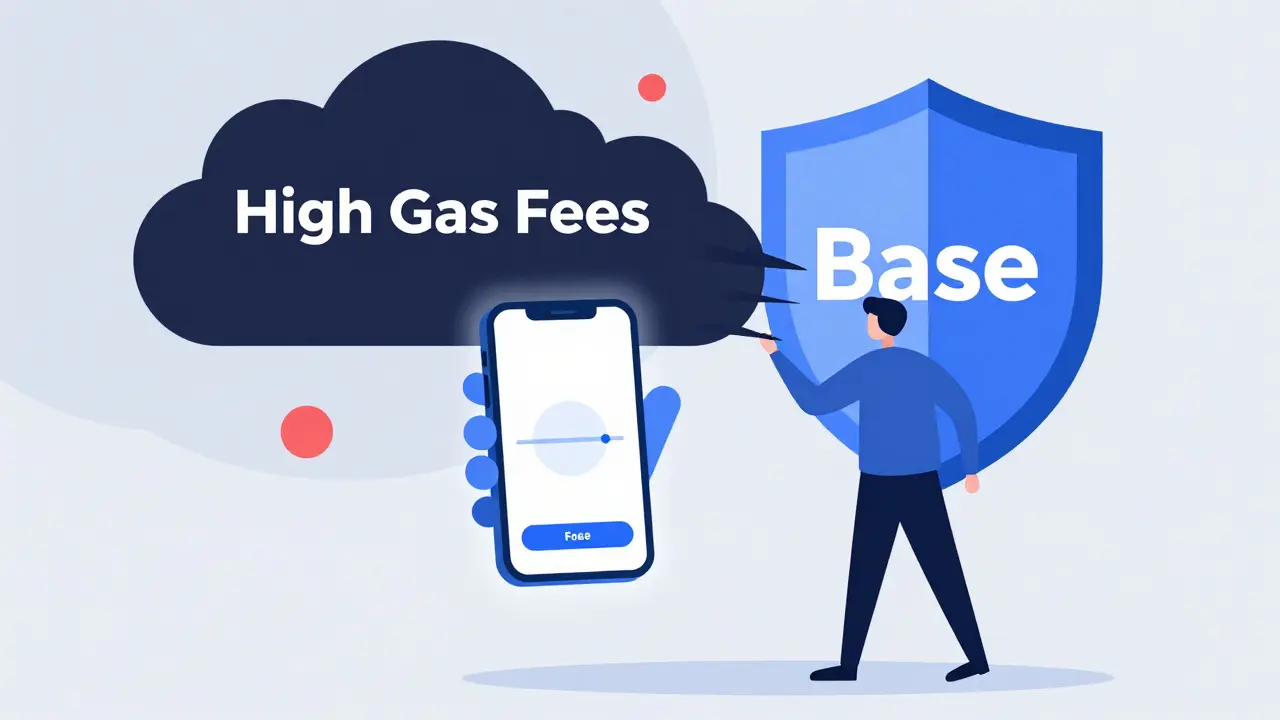
Imagine swapping tokens without paying the steep gas fees that used to plague Ethereum. That is exactly what SushiSwap v2 (Base) is a decentralized exchange deployment on Coinbase's Layer 2 network designed for low-cost, high-speed trading promises to deliver. If you have been burned by transaction costs or frustrated by centralized exchange limits, this specific setup might look like a breath of fresh air. But here is the catch: it is quiet. Very quiet. Unlike the noisy, hype-driven exchanges you see advertised everywhere, SushiSwap on Base operates in the background, serving a niche group of traders who prioritize efficiency over flash.
In this review, we are going to strip away the marketing jargon and look at whether SushiSwap v2 on Base is actually useful for you in 2026. We will cover how it works, what it costs, where it falls short, and whether you should move your funds there today.
The Core Concept: Why Base Matters
To understand why you would use SushiSwap on Base instead of just using regular SushiSwap on Ethereum, you need to understand the underlying infrastructure. Base is an Ethereum Layer 2 blockchain developed by Coinbase that offers significantly lower transaction fees and faster processing speeds compared to the main Ethereum network. When SushiSwap deployed its v2 smart contracts onto Base, it inherited these benefits.
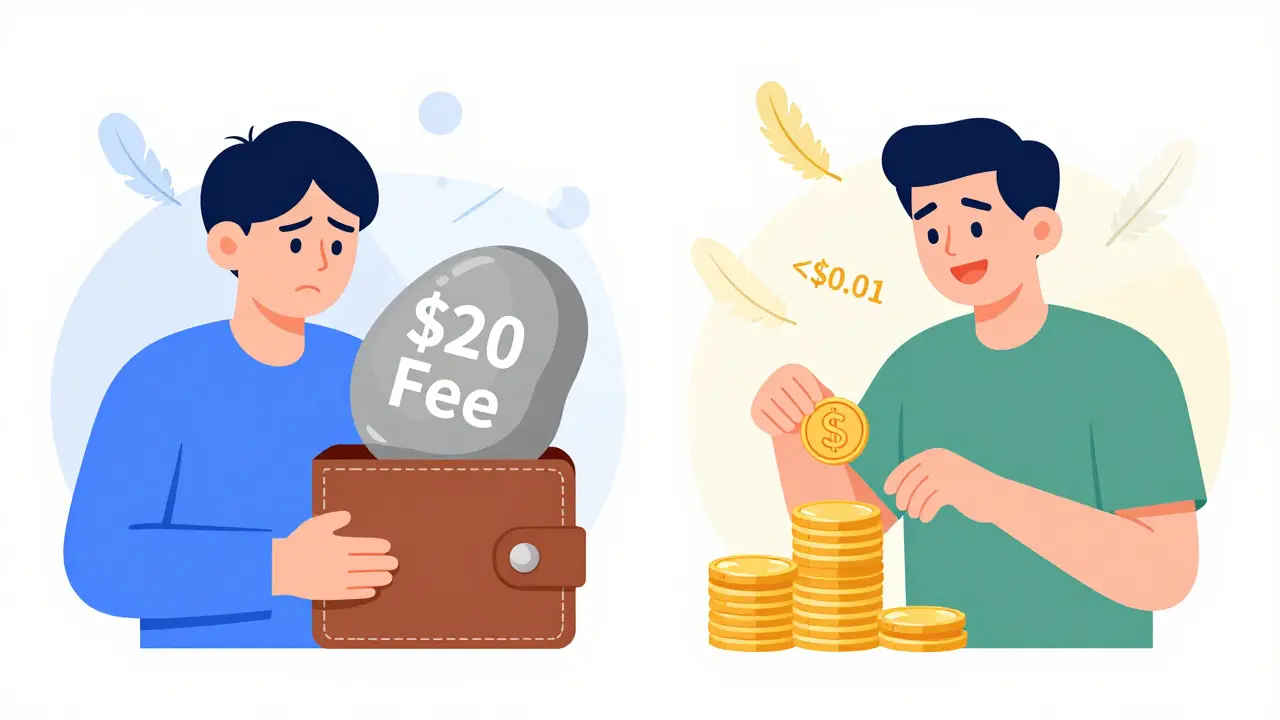
On the main Ethereum network, a simple swap could cost you $5 to $20 in gas fees during peak times. On Base, that same transaction often costs fractions of a cent. This makes small trades viable. You can swap $10 worth of tokens without worrying that the fee will eat half your profit. For active traders or those providing liquidity with smaller amounts, this is a game-changer.
| Feature | Ethereum Mainnet | Base Network |
|---|---|---|
| Average Gas Fee | $5 - $20+ | <$0.01 |
| Transaction Speed | 12-30 seconds | <1 second |
| User Experience | Complex, expensive | Smooth, cheap |
How SushiSwap v2 Works on Base
SushiSwap operates as an Automated Market Maker (AMM). This means there is no order book like you find on Binance or Coinbase Pro. Instead, you trade against pools of liquidity provided by other users. The price is determined by a mathematical formula based on the ratio of assets in the pool.
Here is how the process looks in practice:
- Connect Your Wallet: You need a Web3 wallet compatible with Base, such as MetaMask or Coinbase Wallet. Ensure your network settings are switched to Base.
- Select Tokens: Choose the token you want to sell and the token you want to buy. Popular pairs include ETH/USDC or SUSHI/ETH.
- Set Slippage Tolerance: Because prices change rapidly, you set a maximum percentage of price movement you accept. On Base, due to low fees, slippage is usually minimal unless you are moving large sums.
- Confirm Swap: Approve the transaction in your wallet. It processes almost instantly.
The interface is clean and familiar if you have used Uniswap before. However, because it is a decentralized application (dApp), you never give up custody of your funds. They stay in your wallet until the moment of the swap.
Fees and Rewards: Where the Money Goes
One of the biggest selling points of SushiSwap has always been its community-centric model. Unlike centralized exchanges that take a cut of every trade to line their own pockets, SushiSwap distributes profits back to the community. Specifically, they reward Liquidity Providers (LPs) with a share of the trading fees.
When you provide liquidity to a pool on SushiSwap v2 (Base), you earn two things:
- Trading Fees: A portion of every swap that happens in your pool.
- SUSHI Token Rewards: Incentives paid out in the native governance token to encourage participation.
For example, the SUSHI/ETH pool often offers double rewards to attract capital. This can result in high annual percentage yields (APYs), sometimes exceeding 50% or more depending on market volatility. However, remember that higher rewards come with higher risk, specifically Impermanent Loss, which we will discuss later.
The trading fee itself is typically 0.3% per swap. While this seems high compared to centralized exchanges that charge 0.1%, you must factor in the savings on gas fees. On Ethereum, paying 0.1% plus $10 in gas is far more expensive than paying 0.3% plus $0.01 in gas for small trades.
Pros and Cons: The Honest Truth
No platform is perfect. Here is a breakdown of the strengths and weaknesses of using SushiSwap on Base in 2026.
The Good
- Extremely Low Costs: Thanks to the Base network, you can trade frequently without worrying about draining your account on gas fees.
- Non-Custodial Security: You control your private keys. If the SushiSwap website goes down, your funds are still safe in your wallet.
- Educational Resources: Sushi Academy provides excellent guides for beginners, helping demystify complex DeFi concepts.
- Community Governance: Holders of the SUSHI token get a say in the protocol’s future direction through voting proposals.
The Bad
- Limited Token Selection: Compared to giants like Uniswap or centralized exchanges, the number of available tokens on the Base deployment is smaller. You might not find that obscure meme coin you are looking for.
- No Demo Account: There is no way to practice trading with fake money. If you make a mistake, you lose real funds. This creates a steep learning curve for newcomers.
- Low Liquidity Depth: While improving, some pools on Base do not have as much depth as their Ethereum counterparts. Large trades may suffer from significant slippage.
- Regulatory Gray Area: As a decentralized protocol, there is no customer support team to call if something goes wrong. You are on your own.
Security and Trust: Should You Worry?
Security is the elephant in the room for all DeFi platforms. SushiSwap has had a turbulent history, including controversies involving its early leadership and governance structure. However, the core smart contracts have been audited multiple times by reputable firms.
It is important to note that CoinCodex does not currently assign a 'trusted exchange' label to SushiSwap V2 (Base). This does not mean it is unsafe, but it indicates that it lacks the regulatory oversight and insurance protections found in centralized entities like Coinbase or Kraken.
Your security depends largely on your own actions:
- Never share your seed phrase.
- Only connect to the official SushiSwap URL to avoid phishing sites.
- Revoke approvals for tokens you no longer use via tools like Revoke.cash.
The Base network itself inherits security from Ethereum, meaning it is highly resistant to attacks. The primary risk lies in smart contract bugs or user error, not network failure.

Who Is SushiSwap v2 (Base) For?
This platform is not for everyone. If you are a complete beginner who wants to buy Bitcoin with a credit card and forget about it, stick to a centralized exchange. SushiSwap requires you to manage your own wallet, understand gas fees, and navigate a dApp interface.
However, it is ideal for:
- Active Traders: Those who make multiple swaps daily and want to minimize costs.
- Liquidity Providers: Users willing to lock up assets to earn yield and trading fees.
- DeFi Enthusiasts: People who value self-custody and community governance over convenience.
- Small Investors: Individuals with portfolios too small to justify high Ethereum gas fees.
Future Outlook: What’s Next for SushiSwap?
SushiSwap is not standing still. In 2025 and moving into 2026, the team has focused on expanding its ecosystem beyond just swapping. Roadmap items include integration with Solana, new products like Wara and Susa, and improved treasury management strategies.
The deployment on Base is part of a broader multi-chain strategy. By being present on Layer 2 networks like Base, Arbitrum, and Optimism, SushiSwap ensures it remains relevant as the industry shifts away from the congested Ethereum mainnet. The focus on "quiet" utility rather than hype suggests a sustainable approach aimed at long-term retention rather than short-term speculation.
Is SushiSwap v2 (Base) safe to use?
Yes, it is generally considered safe as it uses audited smart contracts and runs on the secure Base network. However, like all DeFi platforms, it carries risks such as smart contract vulnerabilities and impermanent loss. Always do your own research and only invest what you can afford to lose.
Do I need to pay high gas fees on SushiSwap Base?
No. One of the main advantages of using the Base network is extremely low gas fees, often costing less than one cent per transaction. This makes it much cheaper than using SushiSwap on the Ethereum mainnet.
Can I use my credit card to buy crypto on SushiSwap?
The broader SushiSwap ecosystem offers fiat gateway integrations that allow credit card purchases. However, on the decentralized Base version, you typically need to already hold cryptocurrency (like ETH or USDC) in your Base-compatible wallet to start trading.
What is Impermanent Loss?
Impermanent loss occurs when the price of the tokens you provide as liquidity changes compared to when you deposited them. If one token rises significantly in value while the other stays flat, you might end up with less value than if you had simply held the tokens in your wallet. It is called 'impermanent' because if prices revert, the loss disappears.
Why is SushiSwap on Base quieter than other exchanges?
SushiSwap on Base caters to a specialized, niche audience of experienced DeFi users who prioritize low costs and efficiency over mainstream features. It lacks the heavy marketing and user acquisition campaigns seen on centralized exchanges, resulting in less hype but potentially more stable usage patterns.
Leave a comments