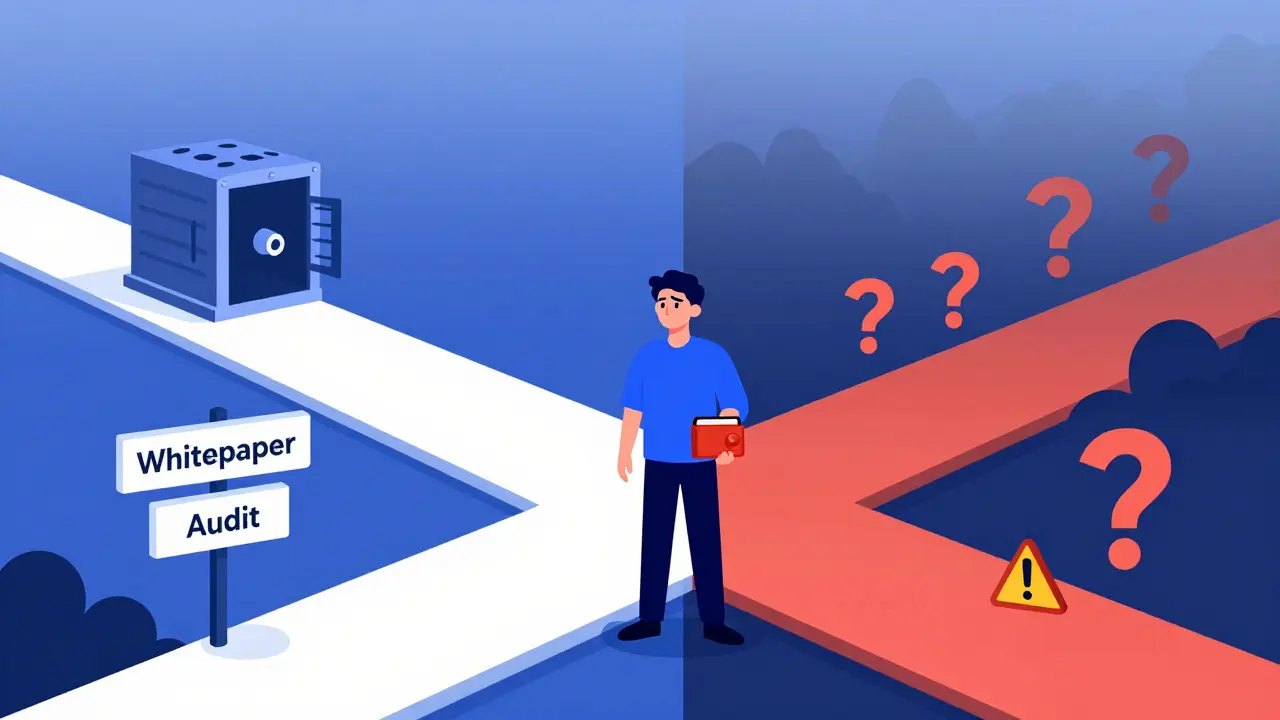
You’ve likely seen the buzz around the Swaperry IDO promotion. With names like this floating in the crypto space, it’s natural to wonder if there’s free money on the table. But here is the hard truth: specific, verified details about a "Swaperry" IDO or its associated airdrop are currently scarce in reliable public records. This isn’t just a minor oversight; it’s a major red flag that demands your attention before you click any links or connect your wallet.
In the world of Initial DEX Offerings (IDOs) and airdrops, silence from official sources often means one of two things: either the project is still in very early development, or it might be a scam designed to steal your assets. Since we cannot verify the existence of a legitimate Swaperry protocol through standard blockchain explorers or reputable news outlets, this guide will focus on what you need to know to stay safe, how to identify fake projects, and what a *real* IDO airdrop actually looks like.
The Reality of Unverified Crypto Projects
When a title like "Swaperry IDO Promotion" appears, it triggers hope. You imagine claiming tokens, watching them pump, and cashing out. However, without a whitepaper, a verified team, or a listing on major launchpads like Seedify or Polkastarter, you are walking into unknown territory. Many fraudulent projects use similar naming conventions to legitimate DeFi protocols to confuse users.
If Swaperry is a new entrant, it should have a clear digital footprint. Legitimate projects publish their smart contract addresses on platforms like Etherscan or BscScan. They list their audit reports from firms like CertiK or Hacken. If you search for "Swaperry" and find only social media posts with no technical documentation, proceed with extreme caution. The absence of data is data itself-it tells you that due diligence has not been done by the community or the press.
How Real IDO Airdrops Work
To understand why the lack of information about Swaperry is concerning, let’s look at how genuine IDO promotions operate. An Initial DEX Offering allows a project to raise funds by selling tokens directly to investors on a decentralized exchange. Often, these sales are paired with an airdrop to reward early supporters or task completers.
A typical, safe IDO process involves several clear steps:
- Whitelist Entry: Users usually need to join a Discord or Telegram and complete tasks to get whitelisted.
- KYC Verification: Major launchpads require Know Your Customer checks to prevent bots.
- Token Purchase: Participants buy tokens using native chain coins (like ETH, MATIC, or BNB).
- Vesting Schedules: Tokens are rarely fully liquid immediately. There is often a cliff period followed by linear vesting.
If a project promises instant liquidity with no KYC and no clear roadmap, it deviates from industry standards. For example, when Initia distributed its tokens, it did so through a structured ecosystem participation model, not a vague "click here to claim" link. Transparency is key.
Red Flags to Watch For
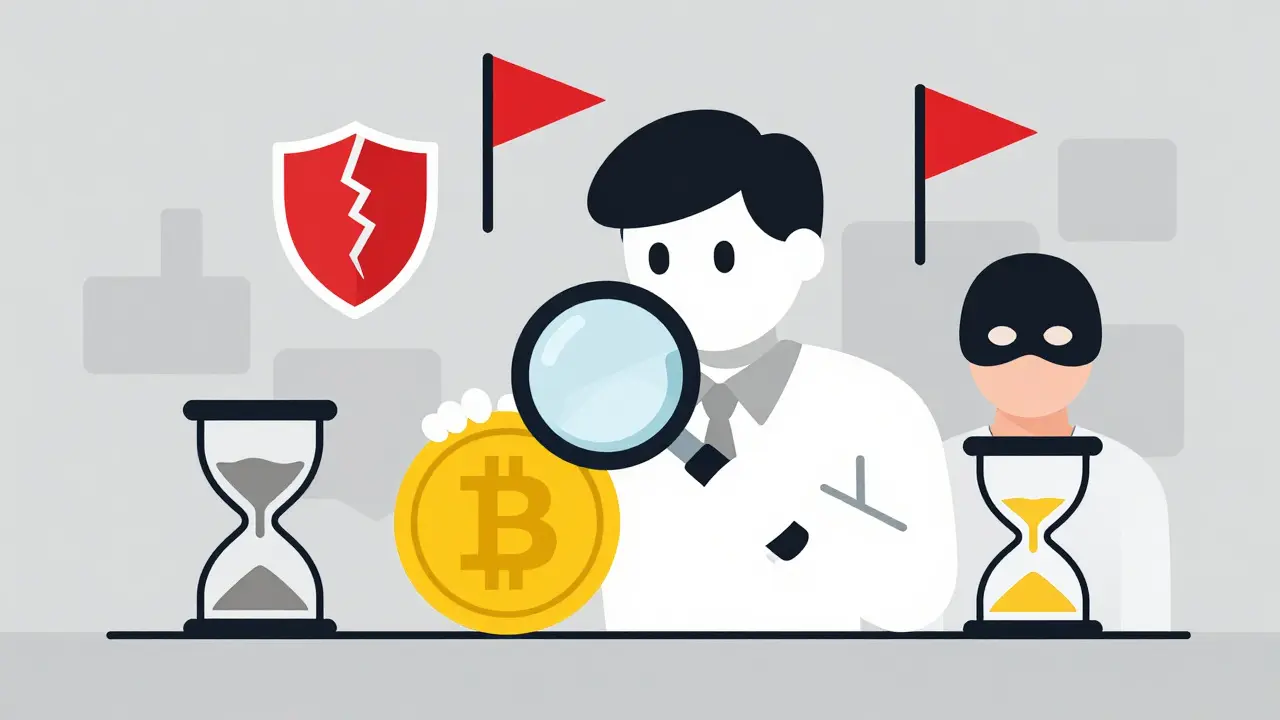
Since we cannot confirm Swaperry’s legitimacy, you must act as your own investigator. Here are the critical warning signs that suggest a project might be a honeypot or a rug pull:
| Indicator | What It Means | Risk Level |
|---|---|---|
| No Website or Whitepaper | The project lacks fundamental documentation explaining its utility. | Critical |
| Anonymous Team | No LinkedIn profiles or verifiable identities for founders. | High |
| Pressure to Act Fast | "Claim now or miss out" messages without clear deadlines. | High |
| Unaudited Contracts | Smart contracts have not been reviewed by security firms. | Critical |
| Requests for Private Keys | Any site asking for your seed phrase is a scam. | Critical |
If Swaperry exhibits any of these traits, do not engage. The cost of losing your entire wallet balance far outweighs the potential gain from a speculative airdrop.
Verifying Project Legitimacy
Before participating in any IDO, you should perform a basic verification routine. Start by checking if the project is listed on CoinMarketCap or CoinGecko. These platforms aggregate data from verified sources. If Swaperry is not listed there, it does not mean it is definitely a scam, but it means it is untracked and high-risk.
Next, look for community sentiment. Go to Twitter (X) and search for the project name. Are real people discussing the technology, or are bot accounts posting generic hype? Check Reddit communities like r/CryptoCurrency or r/DeFi. If there is zero discussion, the project may be non-existent or extremely niche.
Finally, examine the social channels. Join the official Discord or Telegram. Ask questions. Do the moderators answer with specifics, or do they ban anyone who asks about audits and team identity? Legitimate teams welcome scrutiny because they have nothing to hide.
Safety First: Protecting Your Assets
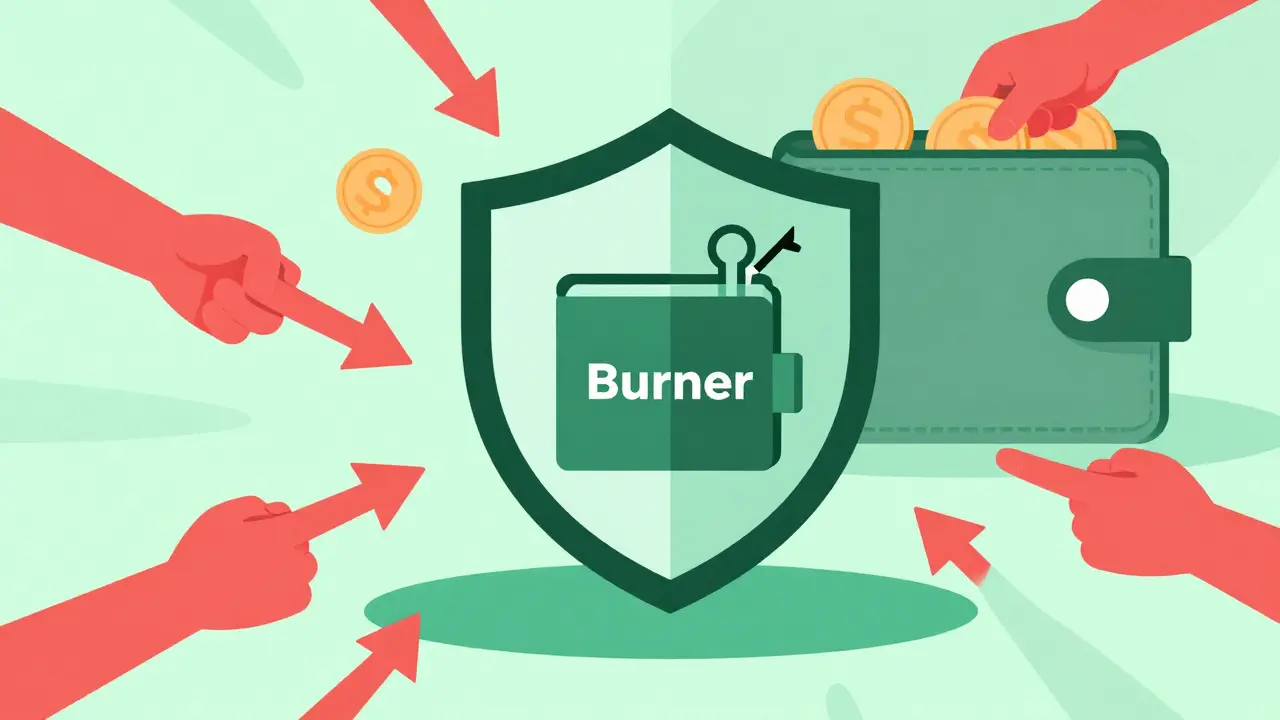
Even if you decide to explore Swaperry further, never compromise your security. Use a burner wallet-a separate hardware or software wallet with minimal funds-for interacting with new or unverified protocols. Never connect your main wallet, which holds your long-term savings, to a suspicious dApp.
Revoke permissions regularly. Tools like Revoke.cash allow you to see which contracts have access to your tokens and remove those permissions. This prevents malicious contracts from draining your assets after you’ve connected.
Remember, in crypto, if it sounds too good to be true, it almost always is. Free tokens are often bait. The real value comes from understanding the underlying technology and supporting projects with transparent, audited, and active development teams.
Alternatives to Speculative Airdrops
Instead of chasing unverified IDOs, consider safer ways to participate in the growth of new projects. Look for established launchpads that vet their listings. Platforms like DAO Maker or GameFi.org conduct rigorous due diligence before allowing a project to launch. Participating in these ecosystems reduces your risk significantly.
You can also engage in testnets. Many major protocols offer rewards for testing their networks during the development phase. This requires time and effort rather than capital, making it a lower-risk entry point into new technologies.
Is the Swaperry IDO airdrop real?
As of June 2026, there is no verifiable evidence of a legitimate Swaperry IDO or airdrop in major crypto databases. The lack of official documentation, audits, and press coverage suggests it may be a fraudulent scheme or an extremely early-stage project with high risk. Always verify through official channels before participating.
How can I check if a crypto airdrop is a scam?
Check for a whitepaper, an audited smart contract, and a visible team. Verify the project on CoinMarketCap or CoinGecko. Be wary of projects that ask for private keys, promise guaranteed returns, or pressure you to act quickly without providing clear terms.
What is an IDO in cryptocurrency?
An Initial DEX Offering (IDO) is a method for startups to raise funds by selling their tokens on a decentralized exchange. Unlike ICOs, which often happen on centralized platforms, IDOs provide immediate liquidity and are typically more accessible to retail investors through launchpads.
Should I connect my main wallet to unknown airdrop sites?
Never connect your main wallet to unverified sites. Use a separate "burner" wallet with minimal funds for interacting with new or suspicious protocols. This limits your exposure if the site is malicious or contains vulnerabilities.
Where can I find safe crypto airdrops?
Safe airdrops usually come from well-known protocols or established launchpads like Seedify, Polkastarter, or DAO Maker. Follow reputable crypto news sources and community trackers that vet opportunities before sharing them. Avoid links from random social media DMs.
Terry Hyland
20 06 26 / 04:20 AMthese crypto scams are everywhere and people just keep falling for it. its disgusting how greedy everyone is. i bet the creators are laughing at you while they steal your money. stay away from this garbage.
Monica Pathammavong
21 06 26 / 06:12 AMi think u r missing the point here lol. maybe swaperry is just being secretive like apple or something? u guys are so paranoid. also why do u care so much about other peoples wallets? its creepy honestly. stop judging us for wanting free money. we know what we r doing unlike u who probably never touched a coin.
Tim Lefebvre
21 06 26 / 10:30 AMhey monica actually its pretty risky to assume that. most legit projects have audits. if there is no audit its usually a honeypot. i always check revoke cash before connecting my wallet. saves me from getting drained. hope u stay safe out there
Rob Aronson
21 06 26 / 10:46 AMThe technical analysis of unverified smart contracts suggests a high probability of malicious code injection 🚨. Always verify the bytecode on Etherscan before interacting with any dApp. The lack of a CertiK audit is a significant red flag in the current DeFi landscape 📉. Use a burner wallet exclusively for these interactions to mitigate risk 🔒.
Kwon Bill
22 06 26 / 04:25 AMIn the Asian markets, we see many similar patterns where new tokens launch without proper documentation. It is important to understand the cultural context of hype cycles in emerging economies. Many users fall for FOMO because they feel left behind by global trends. We must educate ourselves on blockchain fundamentals rather than chasing quick profits. Transparency is key in our community building efforts.
Danna Charris
22 06 26 / 09:39 AMAmateurs chase airdrops. Professionals build portfolios. This project lacks substance. Avoid.
Fede Faith
22 06 26 / 17:52 PMI get why people are excited but let's be real. If it sounds too good to be true it is. I've seen too many rugs pull lately. Just take a breath and look at the facts. No whitepaper means no plan. No team means no accountability. Protect your assets first. You can always make more money but you can't get back stolen funds.
Josh Dodson
24 06 26 / 07:44 AMgood luck guys! just dont connect ur main wallet ok? i lost some sats once cause i was careless. learn from my mistakes haha. stay positive tho!
Suman Patil
24 06 26 / 11:04 AMLet's come together as a community to spread awareness about these risks. Education is power. When we share knowledge about smart contract vulnerabilities, we protect each other. Let's not judge those who are new to crypto but instead guide them towards safer practices. Together we can build a more secure decentralized future. Keep the vibe positive and informative!
Kumaran sowkarpet
26 06 26 / 01:47 AMhello friends :) i am from india and we see many such schemes here. please be careful. always check if the contract is verified. if not then run away fast. safety first my dear friends. happy trading! :)
Mauricio Contreras Loredo
26 06 26 / 15:37 PMOh sure, another 'guidance' post. Like anyone reads these before clicking the shiny button. But hey, thanks for the sarcasm-free warning I guess. At least someone is trying to save us from ourselves. Or maybe you're just scared of missing out too? Who knows. Carry on.
sreeja boora
27 06 26 / 20:13 PMThe regulatory framework in India is strict regarding such unverified financial instruments. Citizens should adhere to local laws and avoid participating in dubious international schemes. It is crucial to prioritize national economic stability over speculative gains. Proper due diligence is mandatory for all financial activities.
Grace Newman
28 06 26 / 06:15 AMOne must consider the deeper implications of this silence. Is Swaperry merely a test case for a larger surveillance apparatus? The absence of data could indicate a coordinated effort to track user behavior under the guise of airdrop participation. We must remain vigilant against such insidious tactics employed by shadowy entities seeking to undermine individual sovereignty.
Annemarie Fitzgerald
29 06 26 / 09:25 AMthe nature of existence is tied to value creation yet here we have nothing. void. emptiness. is swaperry a metaphor for the human condition? perhaps. but mostly it seems like a scam. typical. u people are so shallow chasing tokens instead of meaning. tragic really. anyway bye.
Abby Sivertsen
1 07 26 / 04:06 AMI hear you all. It's tough out there. But listen, if you're going to play the game, play it smart. Don't let fear drive you away from opportunity but don't let greed blind you either. Balance is key. Check the links. Ask questions. Trust your gut. I've been burned before so I know the pain. Let's support each other through this volatile space.
Benjamin Eisen
1 07 26 / 08:37 AMgreat points everyone. i was wondering if there was a way to verify the team identities better. maybe linkedin checks? i try to help where i can but sometimes i feel lost in the tech jargon. any tips for beginners would be appreciated. lets keep learning together.
Kenneth Riley
1 07 26 / 18:41 PMlook at this circus. everyone posting their half-baked opinions. nobody has any real insight. its pathetic. the only truth is the code and the code is hidden. therefore it is evil. simple logic. stop wasting time discussing feelings and start reading the contracts if u dare. most of u cant even spell properly so why bother.
ravi mahla
2 07 26 / 00:21 AMHaha nice try Kenny. You sound like you need a hug. Relax buddy. Crypto is fun when you don't take it so seriously. Enjoy the ride and don't let the haters get you down. Stay cool! 😎