Chihua Token: What It Is, Why It's Missing, and What You Should Know
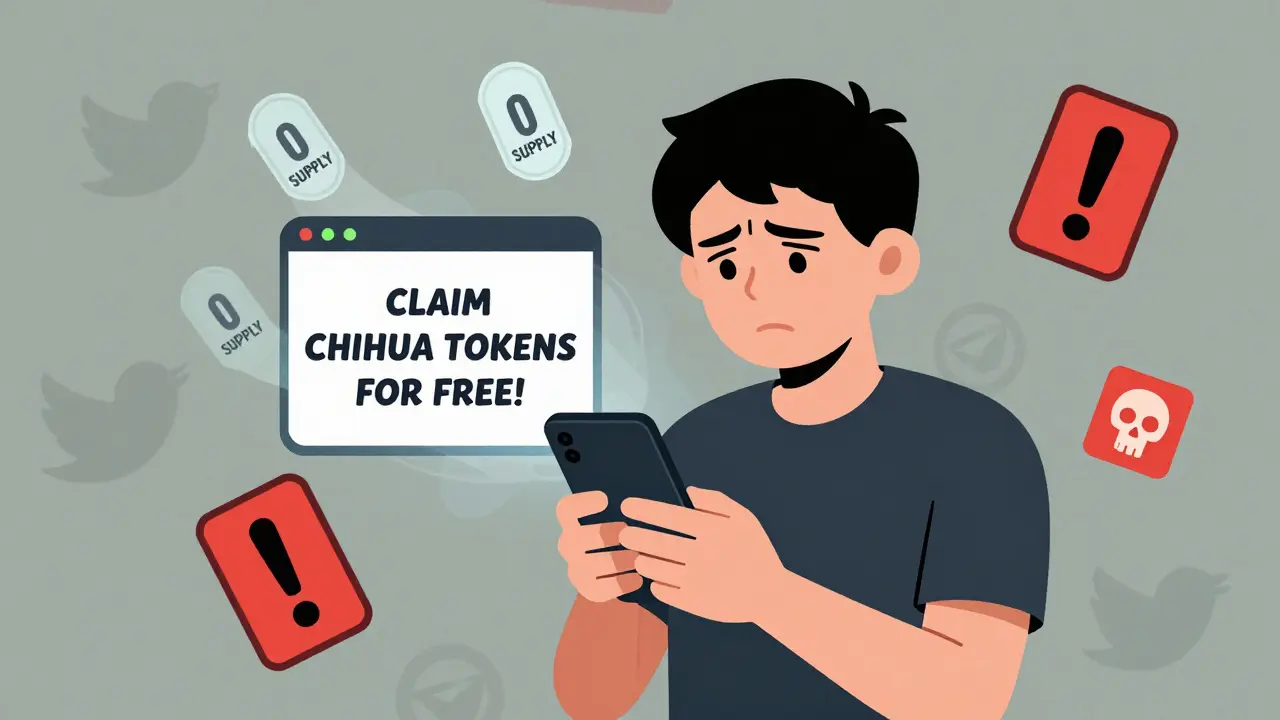
There is no such thing as Chihua Token, a cryptocurrency that has never been launched, verified, or traded on any major exchange. Also known as Chihua coin, it appears only in scam lists, forum rumors, and fake social media posts—never in real blockchain data.
What you’re seeing is a classic meme coin, a token created to attract attention with no utility, team, or roadmap. These often use silly names, fake celebrity endorsements, or misleading graphics to trick people into clicking links or sending crypto. Crypto scams, like fake airdrops or phantom tokens, thrive because they prey on hope. People hear "free crypto" and forget to check if the project even exists. Chihua Token is one of hundreds like it—created to drain wallets, not build value.
Why does this keep happening? Because blockchain is open. Anyone can create a token name in seconds. But real projects—like GoMining Token, a legitimate mining reward token with active quests and clear distribution rules—don’t hide. They publish audits, team info, and live transaction history. Chihua Token has none of that. No whitepaper. No contract address. No trading volume. Just noise.
If you’ve seen a link promising Chihua Token airdrops or price pumps, close it. That’s not an opportunity—it’s a trap. Real crypto opportunities don’t ask you to connect your wallet to a random website. They don’t rely on TikTok ads or Discord bots. They’re built on transparency, not hype.
Below you’ll find real posts about tokens that actually exist—some risky, some promising, but all documented. You’ll learn how to spot fake tokens before you lose money, how airdrops really work, and which projects have staying power. No fluff. No promises. Just facts you can use to stay safe in a messy market.
CHIHUA Airdrop: What You Need to Know About the Chihua Token Distribution
There is no legitimate CHIHUA airdrop. Despite claims online, the token shows zero supply and no trading activity. Beware of scams mimicking real projects like HUAHUA. Learn how to spot fake airdrops and protect your crypto.
Details +