Crypto Ban Russia: What Happened and How It Changed the Game
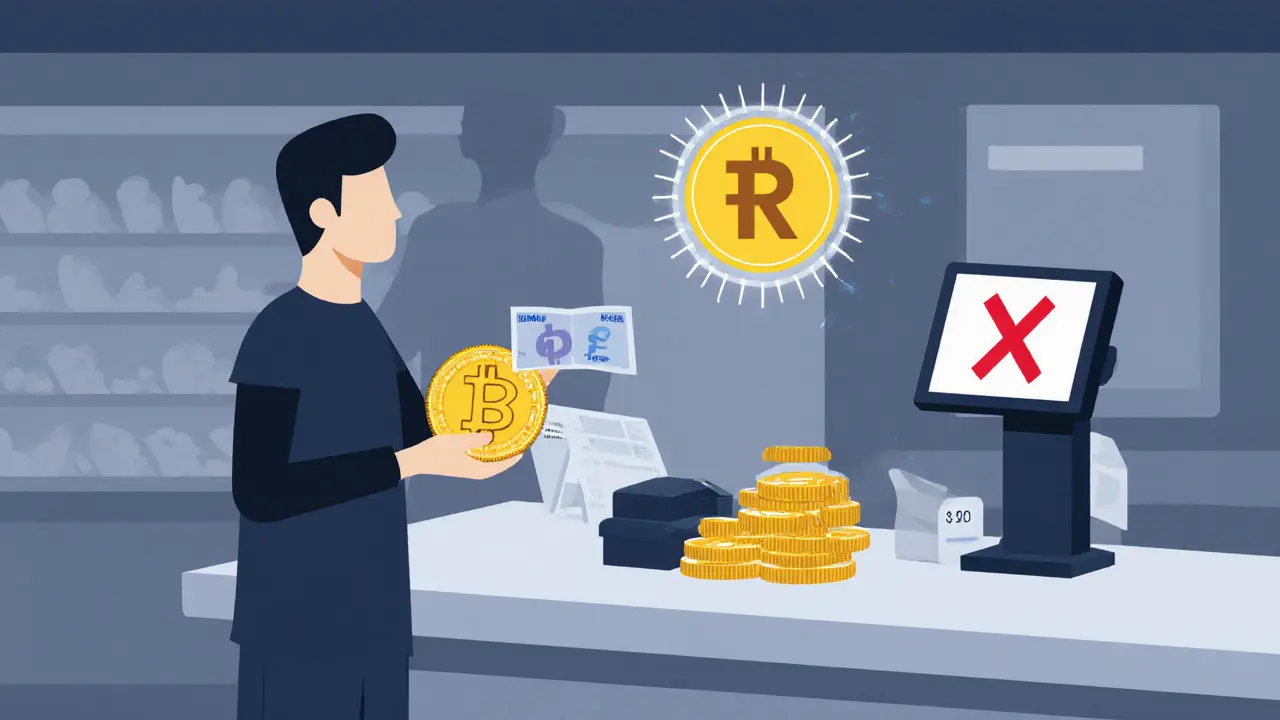
When crypto ban Russia, a government move to restrict cryptocurrency use as payment while allowing ownership. Also known as crypto payment prohibition in Russia, it wasn’t a full outlawing—it was a strategic cutoff. This decision forced millions to rethink how they hold, move, and use digital assets. The ban didn’t stop Russians from owning Bitcoin or Ethereum. It stopped them from using those coins to buy coffee, pay bills, or trade with local businesses. Banks were told to block transactions tied to crypto exchanges. Payment processors like Visa and Mastercard were pressured to cut off Russian crypto users. The goal? Keep money flowing through the ruble and out of decentralized systems.
But here’s the twist: while payments were banned, crypto mining Russia, the practice of running hardware to validate blockchain transactions. Also known as Bitcoin mining in Russia, it became a quiet lifeline for many. Russia had cheap electricity, especially in Siberia and the Far East. Miners didn’t vanish—they just went underground. Some switched to barter systems. Others used peer-to-peer platforms to trade crypto for cash. The government didn’t shut down mining rigs. Why? Because it generated tax revenue from hardware imports and energy sales. Mining became a gray-market economy that kept running—even as banks froze accounts.
The crypto trading Russia, the act of buying and selling digital assets within or outside Russia’s borders. Also known as peer-to-peer crypto trading in Russia, it exploded in informal channels. Apps like LocalBitcoins and Paxful saw traffic spike. Russians used Telegram groups to find buyers. They paid in cash, gift cards, or even gold. Some traded crypto for rubles via exchangers in Turkey or Kazakhstan. The crypto ban Russia didn’t kill the market—it moved it to the shadows. People didn’t stop using crypto. They just got smarter about how they used it.
And it wasn’t just individuals. Companies started using crypto to pay suppliers overseas. A Russian factory might get paid in USDT, then convert it to rubles through a non-Russian exchange. Importers bought parts using crypto to bypass sanctions. Even some state-linked firms quietly used crypto to move funds abroad. The ban created a parallel financial system—one that didn’t need banks, didn’t need approval, and couldn’t be easily traced.
Today, the rules are still in place. But enforcement is patchy. The Central Bank of Russia still warns against crypto. Yet, crypto wallets are still active. Mining rigs still hum. People still trade. The ban didn’t stop crypto—it just made it harder, riskier, and more creative. What you’ll find in the posts below are real stories from people who lived through it: how they adapted, what tools they used, and why crypto still matters in Russia—even when the government says it shouldn’t.
Legal Status of Cryptocurrencies in Russia: What’s Allowed and What’s Banned in 2025
In 2025, Russia allows crypto ownership and international trade for qualified investors but bans domestic use. The digital ruble is coming, and it's the real goal - not Bitcoin.
Details +