Cryptocurrency in Russia: Rules, Risks, and Real-World Use
When it comes to cryptocurrency Russia, the legal status of digital assets in Russia is complex, evolving, and often misunderstood. Also known as digital currency in Russia, it’s not banned outright—but the government treats it like a financial wildcard, not money. You can buy, hold, and trade crypto, but banks won’t touch it. Exchanges can’t operate openly. And if you mine Bitcoin, you’re technically doing it in a legal gray zone.
That’s where crypto mining Russia, a major part of Russia’s crypto story. Also known as Bitcoin mining in Russia, it’s one of the few crypto activities still thriving. Why? Cheap electricity, cold weather for cooling rigs, and a lack of enforcement. Thousands of miners operate quietly, often in warehouses or basements, exporting hash power to global networks. But the government keeps threatening to tax it, regulate it, or shut it down. In 2024, lawmakers floated a bill to require mining licenses—and force miners to report every rig. No one knows if it’ll pass, but the pressure is real.
Then there’s Russian crypto regulations, a patchwork of conflicting rules that change every few months. Also known as crypto laws Russia, they’re designed to control capital flight, not protect users. The Central Bank hates crypto. It’s blocked banks from processing crypto payments. It warns people not to invest. But it hasn’t made owning Bitcoin illegal. So Russians use peer-to-peer apps, foreign exchanges, and cash trades to get in and out. Taxes? The state says you owe 13% on profits—but few report it. Enforcement is rare, but audits are starting.
And what about crypto taxes Russia, the one rule everyone tries to ignore. Also known as crypto income tax Russia, it’s simple on paper: sell crypto for rubles? Pay up. But the system doesn’t track wallets. So most people just don’t file. That’s risky. If you’re caught, you could face fines or worse. And with new digital surveillance tools rolling out, hiding crypto gains is getting harder.
The truth? Russia didn’t ban crypto—it just made it hard to use legally. People still trade. Still mine. Still send money across borders using Bitcoin and stablecoins. But they do it in the shadows, with tools and tricks most Westerners don’t even know about. Below, you’ll find real stories and guides from people who’ve navigated this maze: how to mine safely, how to avoid bank freezes, how to trade without getting flagged, and what’s actually worth your time in Russia’s crypto underground.
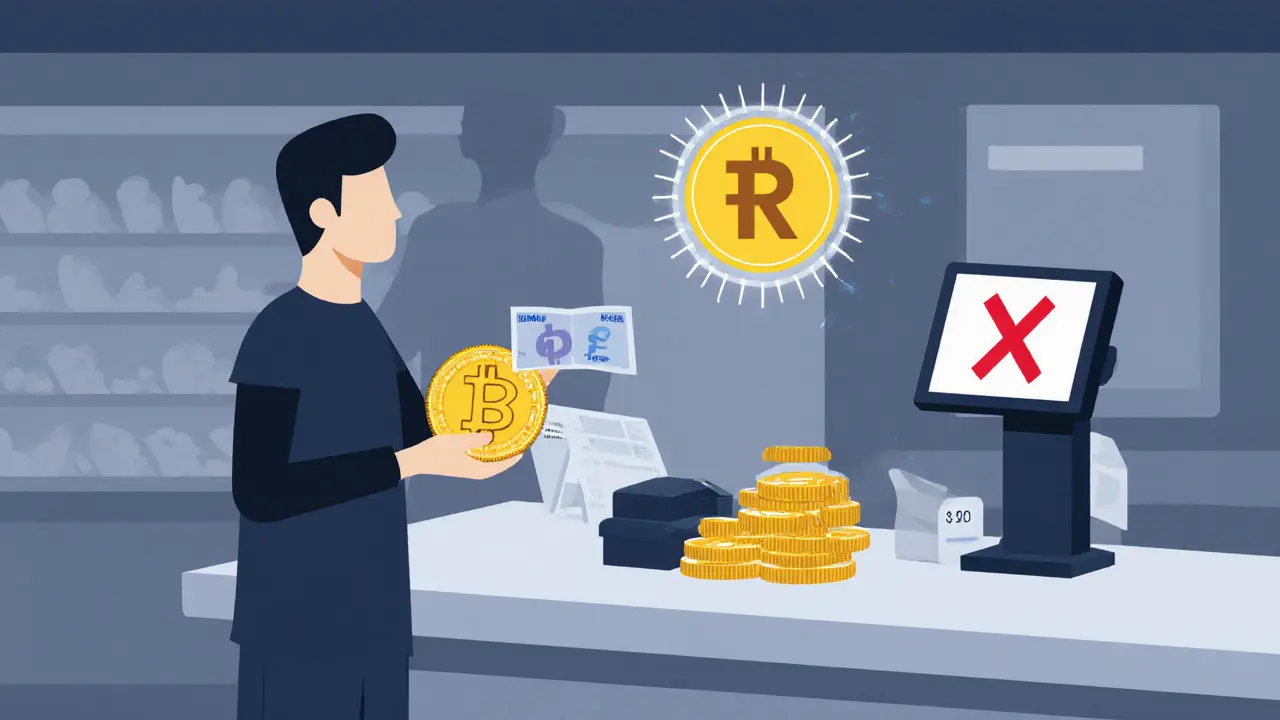
Legal Status of Cryptocurrencies in Russia: What’s Allowed and What’s Banned in 2025
In 2025, Russia allows crypto ownership and international trade for qualified investors but bans domestic use. The digital ruble is coming, and it's the real goal - not Bitcoin.
Details +