Digital Identity Wallet: What It Is and How It Protects Your Crypto
When you use a digital identity wallet, a secure digital container that holds your verified identity credentials and cryptographic keys. Also known as self-sovereign identity wallet, it lets you prove who you are online without handing your data to companies or governments. Unlike regular crypto wallets that just store coins, a digital identity wallet holds things like your verified name, age, passport number, or even your crypto trading history—all encrypted and under your control.
This isn’t science fiction. It’s already being used by people who trade on regulated exchanges, claim government-backed digital currencies, or join blockchain-based communities. It works because of public key cryptography, the system that lets you sign transactions with a private key while sharing a public address. Your private key stays locked on your device. No one else can access your identity unless you give permission. That’s why it’s safer than typing your password into every website. It also connects to blockchain identity, a decentralized system where your identity record lives on a public ledger, not a corporate server. If a site gets hacked, your identity doesn’t leak. You still own it.
Some digital identity wallets are built into crypto apps like MetaMask or Ledger Live. Others are standalone tools designed for governments or enterprises. But the goal is the same: stop giving away your data. You shouldn’t need to hand over your Social Security number just to buy Bitcoin. You shouldn’t need to let a bank freeze your account because you traded crypto. A digital identity wallet gives you the power to say yes or no—on your terms.
What you’ll find below are real stories about how this tech is being used—or abused. Some posts show how people use identity wallets to stay compliant with tax rules in Canada or India. Others expose fake airdrops that steal your keys by pretending to be identity verification tools. There are guides on how to set one up safely, and warnings about projects that claim to offer "self-sovereign" identity but are just scams. You’ll see how public key cryptography keeps Bitcoin secure, how blockchain identity can replace passwords, and why most people still don’t get it right.
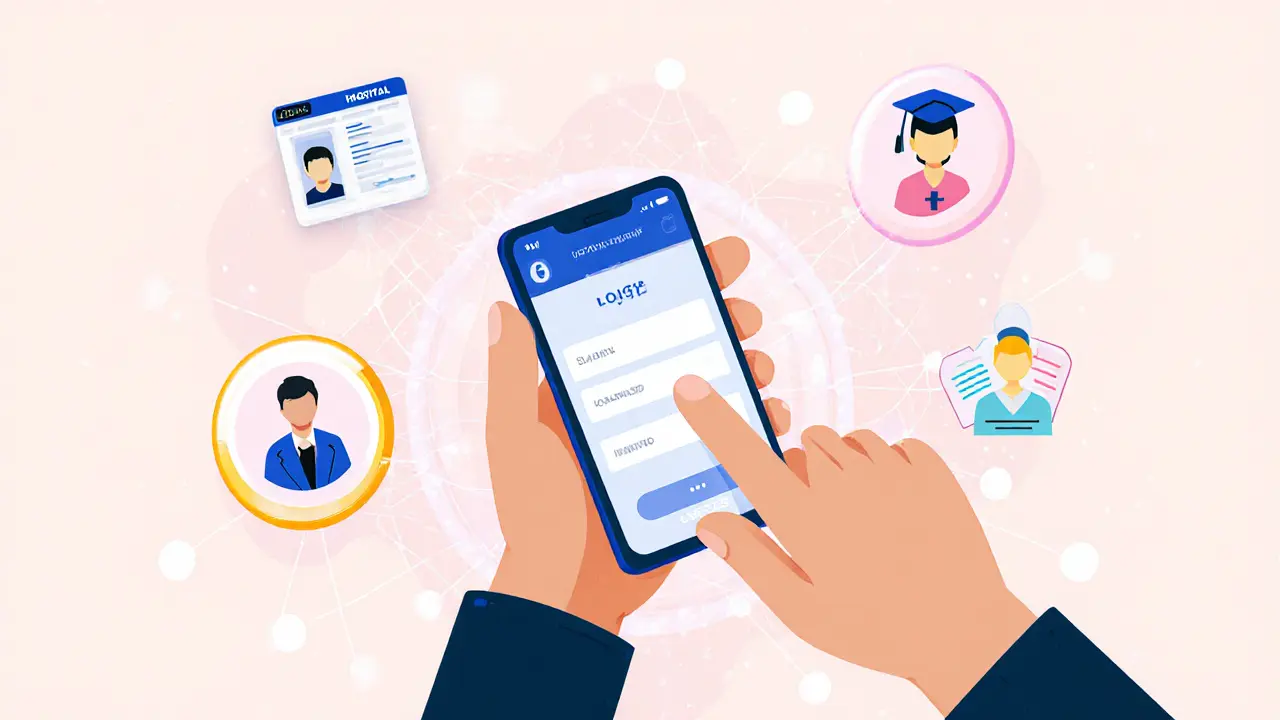
DID Use Cases and Applications: Real-World Examples of Decentralized Identity in 2025
DID (Decentralized Identifiers) let you control your digital identity without passwords or central databases. See how governments, banks, and universities are using them in 2025 to make identity safer, faster, and truly yours.
Details +