ERC-20 Token: What It Is, How It Works, and Why It Powers Most Crypto
When you hold a crypto token like Chainlink, Uniswap, or Polygon, you’re likely holding an ERC-20 token, a standardized type of digital asset built on the Ethereum blockchain that follows a set of rules for how it’s created, transferred, and tracked. Also known as Ethereum token, it’s the reason you can send thousands of different coins using the same wallet—no custom code needed. This standard doesn’t create value on its own, but it makes everything else possible. Without ERC-20, DeFi, NFTs, and even most airdrops wouldn’t work the way they do today.
Think of ERC-20 like a universal plug for crypto. Just like your phone charger works with any device that uses USB-C, an ERC-20 token works with any Ethereum wallet, exchange, or DeFi app. That’s why you can send USDC, DAI, or SHIB to MetaMask, Binance, or a liquidity pool—all using the same basic structure. Under the hood, it’s a smart contract, a self-executing program on Ethereum that automatically handles token transfers, balances, and permissions. This contract defines things like total supply, how users can send tokens, and who can mint new ones. It’s not magic—it’s code. And because it’s open and standardized, developers don’t have to rebuild the wheel every time they launch a new coin.
But not all tokens are created equal. Some ERC-20s are backed by real assets like USD (stablecoins), others are governance tokens that let you vote on protocol changes, and some—like PumaPay (PMA)—were built with big promises but died from lack of use. That’s why knowing the difference between a working token and a dead one matters. You’ll see this in the posts below: some explain how to track ERC-20 balances, others show how gasless transactions (via ERC-4337) are changing how users interact with these tokens, and a few warn you about fake airdrops pretending to be ERC-20 rewards. Even when a project fails, its token still lives on the blockchain—so you need to know how to spot the real ones.
What you’ll find here isn’t theory. It’s real-world examples. You’ll see how ERC-20 tokens connect to crypto taxes, how they’re used in cross-chain swaps, and why some wallets handle them better than others. Some posts dig into how these tokens are tracked on-chain, others show you how to avoid scams that pretend to be ERC-20 airdrops. Whether you’re holding a token, trading it, or just trying to understand why your wallet shows 50 different coins—all built on the same foundation—you’ll find answers here. No fluff. Just what you need to know to use ERC-20 tokens safely and smartly.
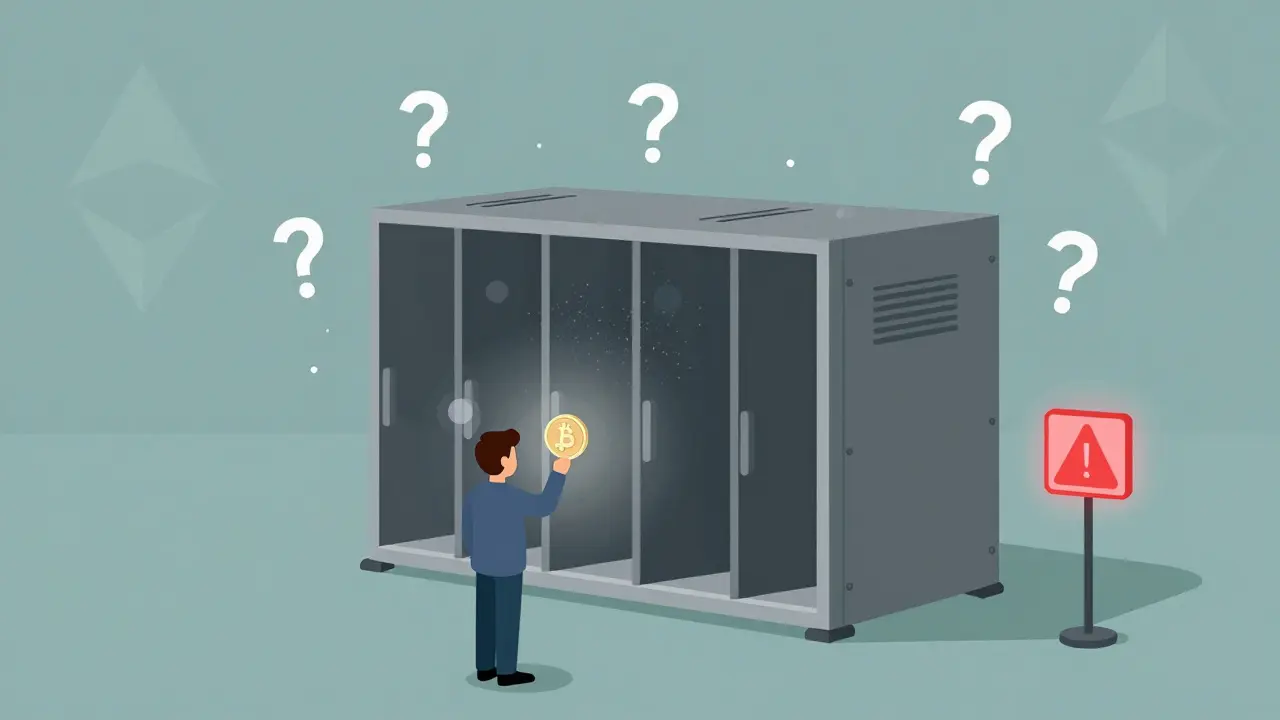
What is Yidocy Plus (YIDO) crypto coin? Explained with facts, risks, and real data
Yidocy Plus (YIDO) is a crypto coin claiming to offer Bitcoin mining access without hardware. But with 0 tokens in circulation, no team identity, and no proof of mining, it's an unverified project with high risk and zero transparency.
Details +
What is Omnis Genesis by Virtuals (OMNI) Crypto Coin? The Truth Behind the AI DeFi Token
Omnis Genesis (OMNI) is a crypto token tied to AI agents in DeFi, but it has almost no trading volume, no community, and no real use cases. Here's what it actually is-and why it's likely dead.
Details +