Fake Crypto Exchanges: How to Spot Scams and Protect Your Funds
When you hear about a new fake crypto exchange, a platform that pretends to let you trade crypto but is designed to steal your money. Also known as sham trading platforms, these sites copy the look of real exchanges like Binance or Coinbase—but they don’t hold your funds, they don’t execute trades, and they vanish the second you deposit. They’re not bugs in the system. They’re the system.
These scams don’t just appear out of nowhere. They ride on the hype of real projects. You’ll see fake versions of GoMining, a legitimate mining platform with active airdrops pretending to offer free GMT tokens. Or you’ll get a pop-up for a 1DOGE Finance airdrop, a non-existent token scheme that tricks users into connecting wallets that drains your crypto the moment you click "claim." Even real names like Phoswap, a BSC-based DEX with no audits and low liquidity get cloned—because scammers know people trust names they’ve seen before.
It’s not just about fake websites. The real danger is the story they sell. They promise high returns, zero fees, or free tokens from big names like Dogecoin or CoinMarketCap. But if it sounds too good to be true—like getting free crypto just for signing up—it’s a trap. Real exchanges don’t give away tokens without work. They don’t ask for your private key. They don’t redirect you to Telegram or Discord to claim rewards. And they never pressure you with countdown timers. The fake airdrops, fraudulent token distributions designed to harvest wallet access you see online? They’re not giveaways. They’re digital pickpocketing.
You don’t need to be a tech expert to stay safe. Check the domain. If it’s not the official site, walk away. Look for audits—real DEXs like WOOFi, a cross-chain DEX with clear security practices publish theirs. Search for community feedback on trusted forums. If no one’s talking about it, that’s a red flag. And never connect your wallet to a site you’re not 100% sure about. One click is all it takes.
Below, you’ll find real breakdowns of scams that have fooled thousands—what they claimed, how they worked, and how to avoid the same mistakes. These aren’t theoretical warnings. These are cases where people lost money. And you can learn from them without losing a cent.
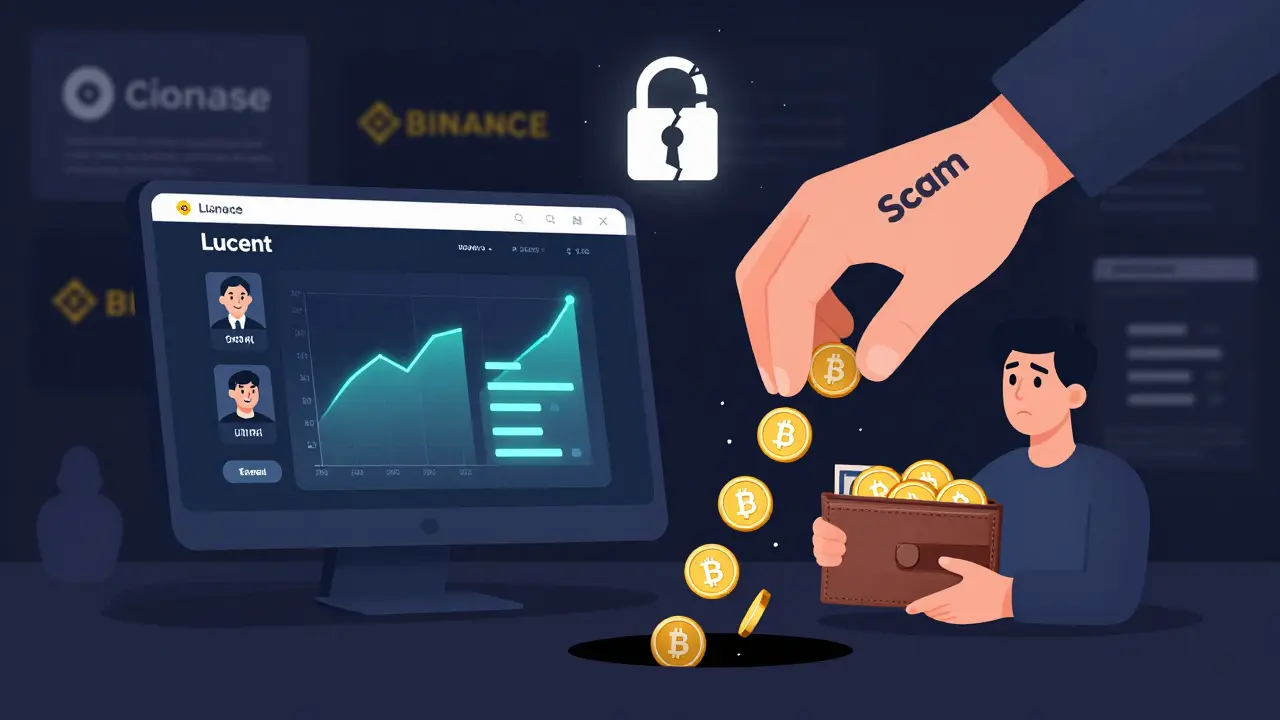
Lucent Crypto Exchange Review: Does This Exchange Even Exist?
Lucent Crypto Exchange is not real - it's a scam. Learn how fake exchanges trick users, what red flags to watch for, and which legitimate platforms to use instead.
Details +