Indonesia Crypto Trading: Rules, Platforms, and What Works in 2025
When you trade crypto in Indonesia, a legal but heavily monitored activity where digital assets can be bought and sold but not used as payment. Also known as digital currency trading, it’s governed by the central bank (Bank Indonesia) and the financial watchdog (BAPEPAM-LK), not the tax office — yet. You can own Bitcoin, Ethereum, or any registered token, but you can’t use them to buy coffee, pay rent, or order food online. The government sees crypto as a commodity, not money. That’s why exchanges like Indodax and Pintu are allowed to operate — they’re licensed to handle trades, not payments.
What makes Indonesia different is how banks react. If you try to withdraw crypto earnings to your BRI or BCA account, they might freeze it. No warning. No email. Just silence. Why? Because the Financial Services Authority (OJK) doesn’t require banks to recognize crypto transfers. So when a large sum shows up from an exchange like Tokocrypto, the system flags it as suspicious. To avoid trouble, traders keep records of every trade, wallet address, and tax form. The tax rate? 0.1% per trade, plus capital gains up to 30% if you’re actively trading. Most people don’t pay it — but those who do say it’s worth it to keep their accounts open.
Local exchanges don’t offer USDT or USDC as trading pairs — they use IDR directly. That’s because foreign stablecoins are seen as risky. So if you want to trade, you need to deposit rupiah. That also means you’re stuck with local platforms. International ones like Binance or Kraken? They’re blocked. Some users use VPNs, but that’s against the rules. The safest route? Stick to licensed exchanges. They have KYC, support chats in Bahasa, and real customer service. You’ll find people using Indodax for Bitcoin, Pintu for altcoins, and Tokocrypto for NFTs tied to local games.
And then there’s the elephant in the room: scams. Indonesia has one of the highest rates of crypto fraud in Southeast Asia. Fake airdrops, fake exchanges, fake influencers promising 10x returns — they’re everywhere. The government has shut down over 200 unregistered platforms since 2023. That’s why the posts below focus on verified tools, real exchange reviews, and how to spot a scam before you lose money. You won’t find hype here. Just facts from traders who’ve been burned — and learned how to stay safe.
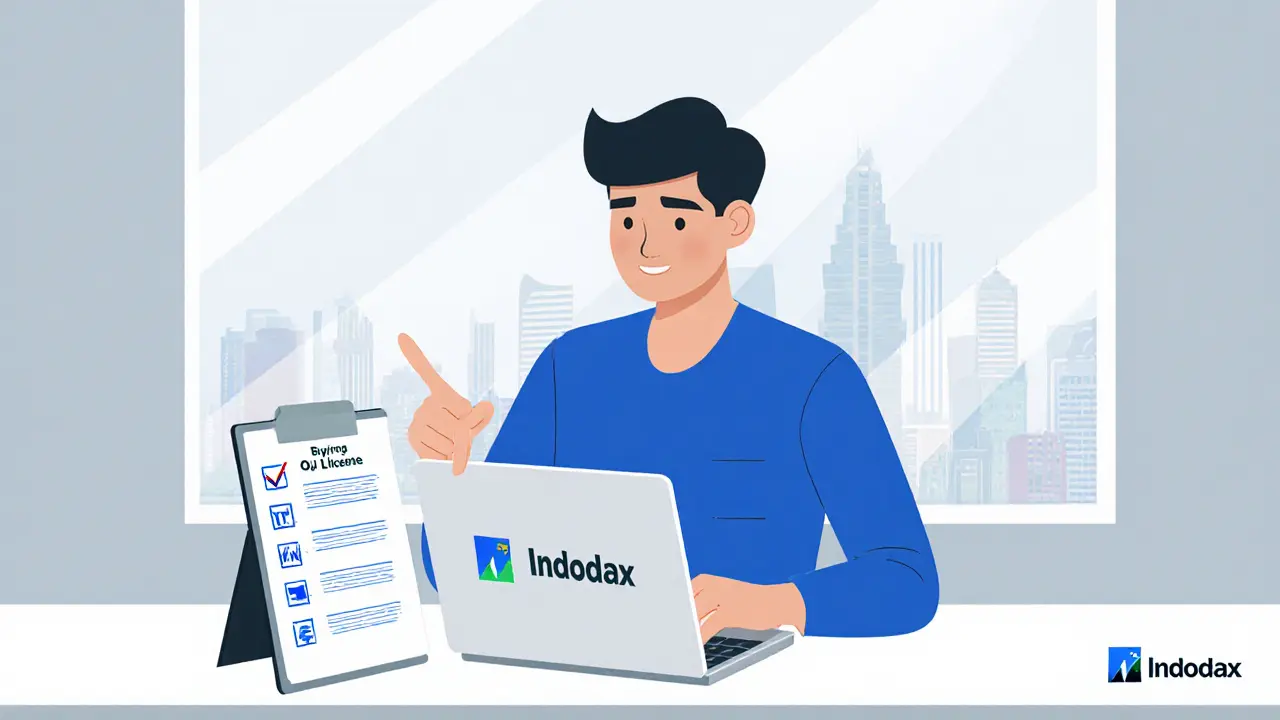
How Indonesians Trade Cryptocurrency Legally in 2025
Learn how Indonesians legally trade cryptocurrency in 2025 under new OJK rules, tax rates, and licensing requirements. Avoid fines and scams with this clear guide to compliant crypto trading.
Details +