Verifiable Credentials in Crypto: How Blockchain Proves Identity Without Sharing Data
When you need to prove you’re over 18 to join a crypto exchange, or verify your identity for a regulated airdrop, you usually hand over your passport, driver’s license, or utility bill. But what if you could prove you’re eligible without showing any of those documents? That’s where verifiable credentials, digital, tamper-proof claims issued by trusted entities and controlled by the user. Also known as VCs, they let you prove facts—like age, citizenship, or KYC status—without revealing the underlying data. This isn’t theory. It’s already being tested by exchanges, governments, and DeFi platforms to cut fraud, reduce privacy risks, and speed up onboarding.
Verifiable credentials rely on three key pieces: the issuer (like a government or regulated exchange), the holder (you), and the verifier (the platform asking for proof). They use blockchain identity, a system where digital identities are anchored to decentralized ledgers for trust and auditability to ensure the credential hasn’t been forged. Behind the scenes, they often use zero-knowledge proofs, a cryptographic method that lets you prove you know something without revealing what it is. For example, you can prove you passed KYC without showing your name or address. This is why projects like SATOS and regulated exchanges in Japan and the Netherlands are testing them—they reduce legal risk and build user trust.
Look at the posts here. You’ll see real-world cases: the CHY airdrop trying to claim humanitarian legitimacy, TopGoal’s NFT event needing identity checks, and Indian banks freezing accounts when crypto-to-fiat moves don’t match KYC rules. None of these would need to be so messy if verifiable credentials were widely adopted. Right now, most users still upload screenshots of IDs to sketchy platforms. That’s like handing your house keys to a stranger just to prove you own the place. With VCs, you keep the keys. You just show the lock opens.
What you’ll find below isn’t a list of theory papers. It’s a collection of real cases where identity, compliance, and crypto collide—and where verifiable credentials could’ve made all the difference. From failed tokens with no team to regulated exchanges doing things right, these posts show you where the system breaks… and where it could work.
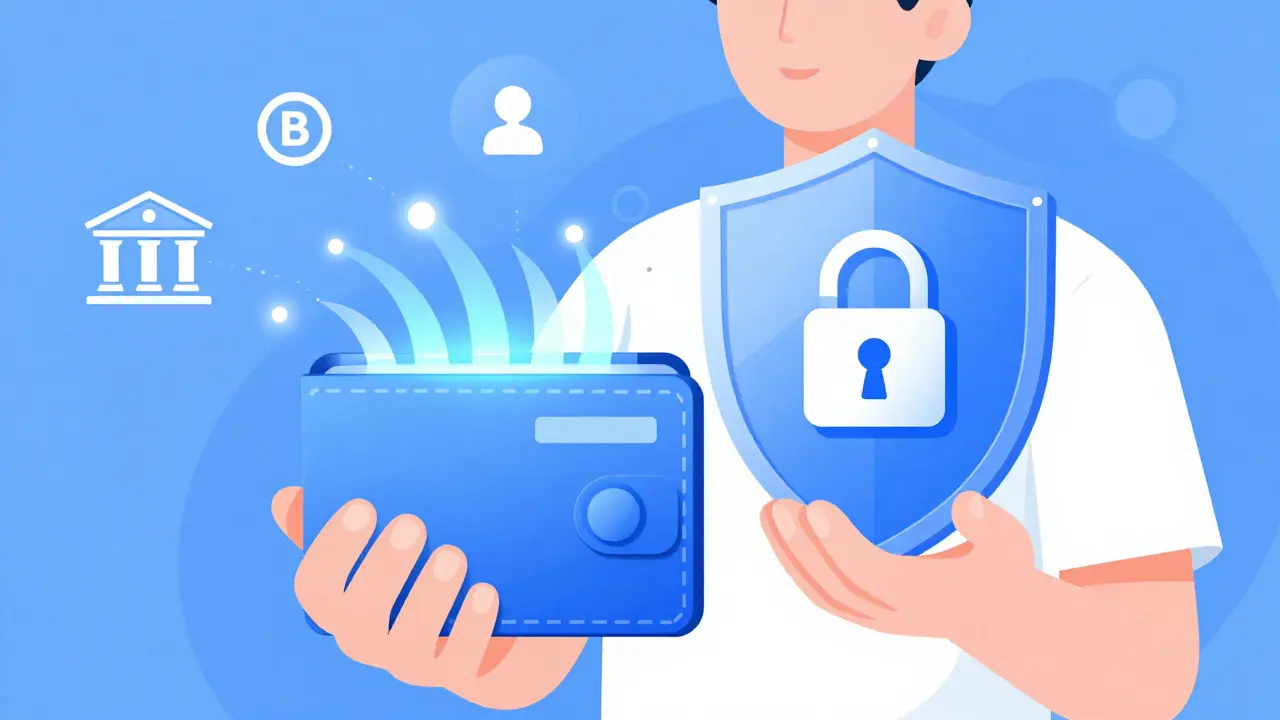
What is cheqd (CHEQ)? Blockchain for Digital Identity Explained
cheqd (CHEQ) is a blockchain network for secure digital identities and verifiable AI. It enables data control, credential payments, and governance. Used in KYC, travel, and AI. Current price ~$0.02, market cap $13.8M.
Details +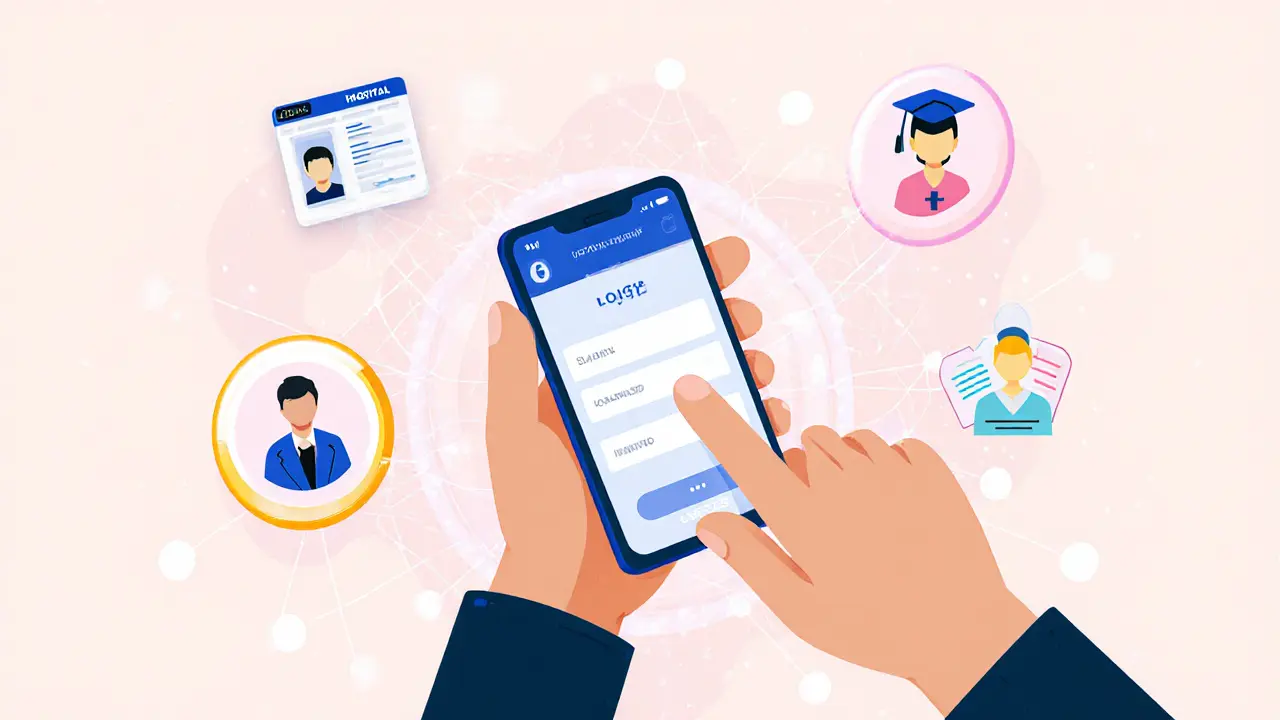
DID Use Cases and Applications: Real-World Examples of Decentralized Identity in 2025
DID (Decentralized Identifiers) let you control your digital identity without passwords or central databases. See how governments, banks, and universities are using them in 2025 to make identity safer, faster, and truly yours.
Details +