W3C DID: What It Is and How It Powers Identity in Crypto
When you log into a crypto exchange, send a token, or claim an airdrop, you’re not just moving money—you’re proving W3C DID, a standardized way to create self-owned digital identities on the blockchain. Also known as Decentralized Identifiers, it lets you control your identity without handing it over to Google, Facebook, or a government ID system. Unlike passwords or email logins, W3C DID gives you a unique, cryptographically signed address you own—no middleman needed.
This isn’t just theory. It’s already being used in real crypto projects. Think of it like a digital passport you carry in your wallet. When you verify your identity for a regulated exchange like SATOS or comply with crypto tax rules in Canada or India, W3C DID can replace forms, scans, and third-party verifications. It works hand-in-hand with Verifiable Credentials, tamper-proof digital documents issued by trusted parties like governments or universities—think of them as your diploma, driver’s license, or tax ID, but stored securely on your device. And it ties directly to decentralized identity, a system where you, not a company, control who sees what about you. That’s why projects like iCommunity Labs or blockchain-based real estate contracts need it—they can’t rely on old-school KYC when users want privacy and speed.
W3C DID doesn’t replace public keys—it makes them usable. Your Bitcoin address is a public key, but it’s just a string of letters and numbers. W3C DID turns that into a human-readable, verifiable identity you can link to your name, credentials, or even your NFT collection. It’s why the legal status of crypto in Russia or Argentina matters: if you can prove you’re a qualified investor or a tax-compliant resident without handing over your entire life story, compliance becomes possible without sacrifice. And when you’re dealing with dead tokens like PumaPay or Seamans Token, W3C DID helps you prove you were never part of a scam—you were just trying to use a system that didn’t yet work.
Below, you’ll find real-world examples of how W3C DID and its related concepts show up in crypto—whether it’s in tax reporting, exchange compliance, or the quiet infrastructure behind secure transactions. You won’t see it in headlines, but it’s the reason some platforms let you trade safely while others get shut down.
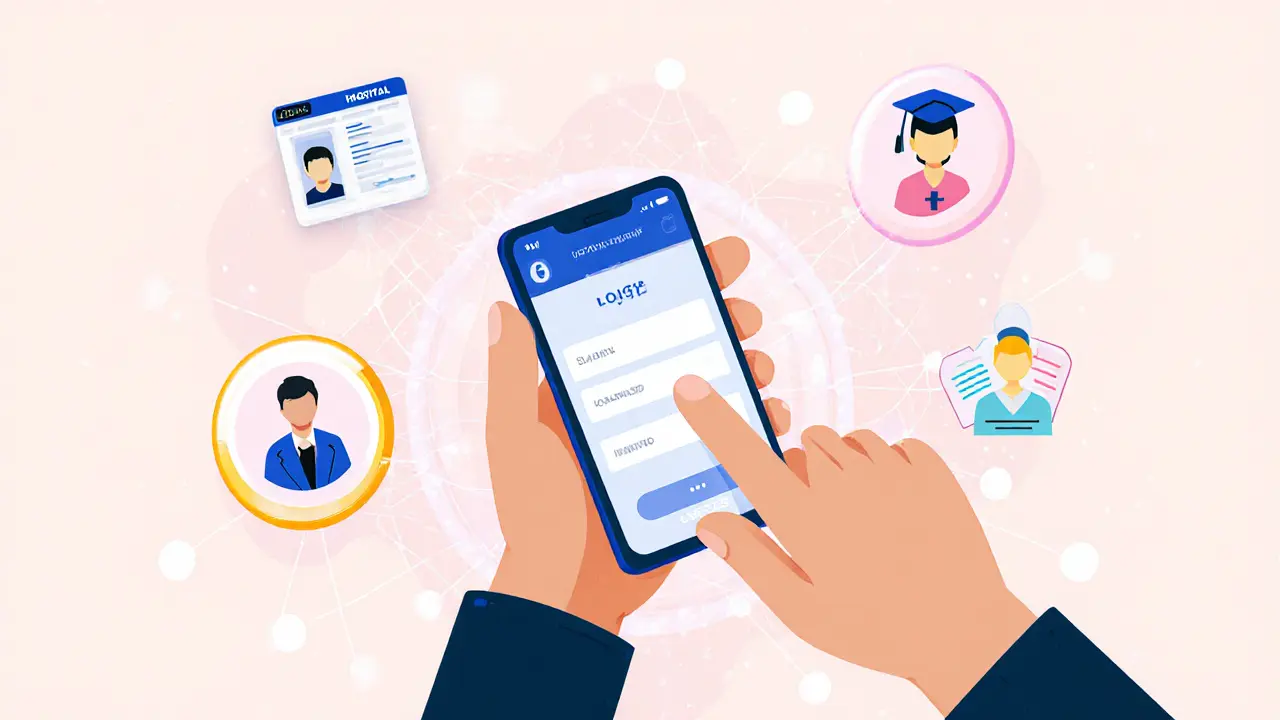
DID Use Cases and Applications: Real-World Examples of Decentralized Identity in 2025
DID (Decentralized Identifiers) let you control your digital identity without passwords or central databases. See how governments, banks, and universities are using them in 2025 to make identity safer, faster, and truly yours.
Details +