Have you ever stumbled upon a cryptocurrency name that sounds like a playful twist on something familiar? That’s exactly what happens with panKUKU, which uses the native KUKU token. If you’ve been navigating the crowded world of decentralized finance (DeFi), you might wonder if this is just another copycat project or if it holds some unique value. The short answer is that it sits somewhere in between: it’s a comprehensive ecosystem built on the Binance Smart Chain (BSC) that aims to be a one-stop shop for crypto users, but it faces significant hurdles in gaining mainstream traction.
To understand where panKUKU stands today, we need to look beyond the hype and examine its origins, its mechanics, and how it compares to the giants it tries to emulate. This isn’t just about price charts; it’s about understanding the utility, the risks, and the reality of being a small player in a massive market.
The Origins: From Suriname to the Blockchain
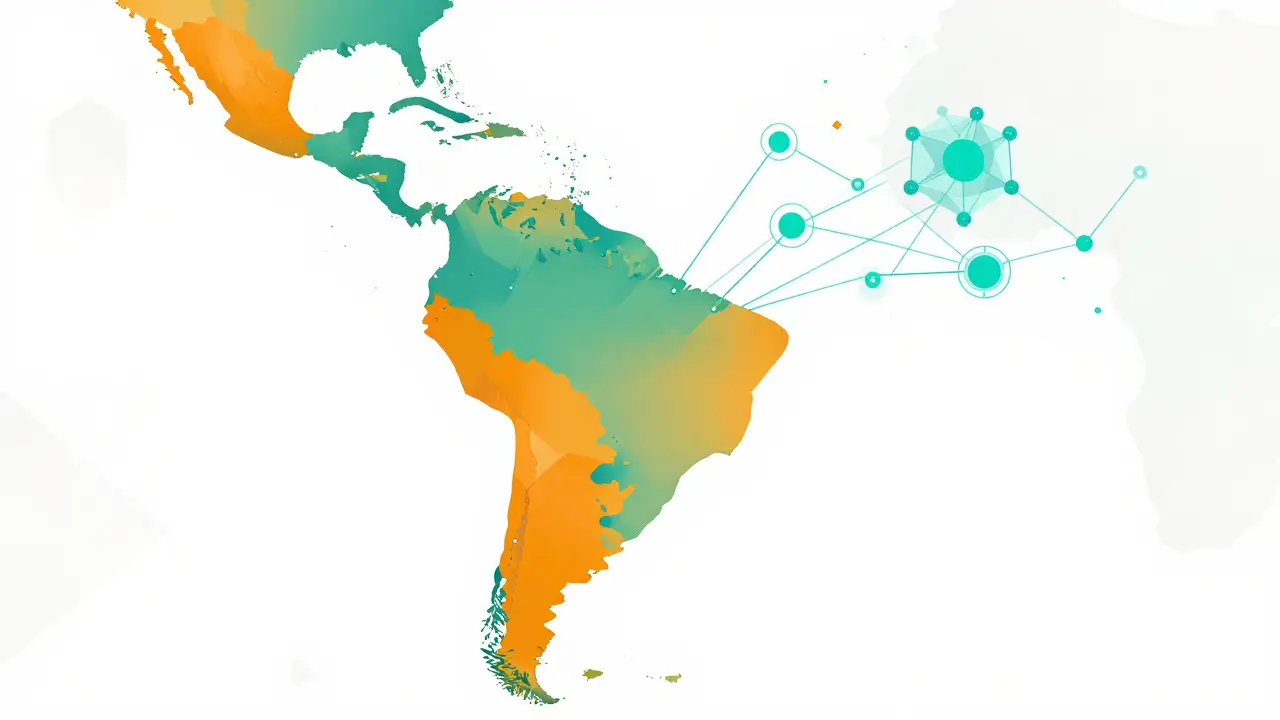
Most blockchain projects hail from tech hubs like Silicon Valley, Singapore, or Estonia. panKUKU breaks that mold. It originated in Suriname, making it one of the few documented blockchain projects from South America. This geographic origin is part of its identity, though it hasn’t necessarily translated into global market dominance. The project entered its development phase in early 2022, partnering with marketing agency SAG IPL to build its brand presence during those formative months.
Why does this matter? In the crypto world, transparency about origins can sometimes signal a grassroots effort rather than a venture-backed behemoth. However, without the backing of major institutional investors, projects like panKUKU rely heavily on community adoption and product utility to survive. As of late 2023, data from tracking platforms showed KUKU ranked around #7,041 by market capitalization. That number tells a story of limited adoption compared to top-tier assets, highlighting the challenge of standing out in a sea of thousands of tokens.
How Does the KUKU Token Work?
At its core, KUKU is a BEP-20 token. This means it lives on the Binance Smart Chain, allowing for fast transactions and low fees-a key selling point for everyday users tired of Ethereum’s high gas costs. But the technical standard is only half the story. The real hook is its economic model.
KUKU describes itself as a "hyper-deflationary" token. What does that actually mean for your wallet? It involves two main mechanisms:
- Tax System: When you trade or transfer KUKU, a percentage of the transaction is taxed. This isn’t a government tax; it’s a protocol fee that gets redistributed or burned.
- Auto Burning: Part of that tax is permanently removed from circulation. Fewer tokens available theoretically increases scarcity, which can drive up value if demand remains steady.
This model is inspired by PancakeSwap’s CAKE token, which pioneered many of these deflationary strategies on BSC. However, while PancakeSwap has billions in total value locked (TVL), panKUKU operates on a much smaller scale. The deflationary mechanism works best when there is high trading volume. With lower liquidity, the impact of burning is minimal, and the taxes can eat into profits for active traders.
The Ecosystem: More Than Just a Swap
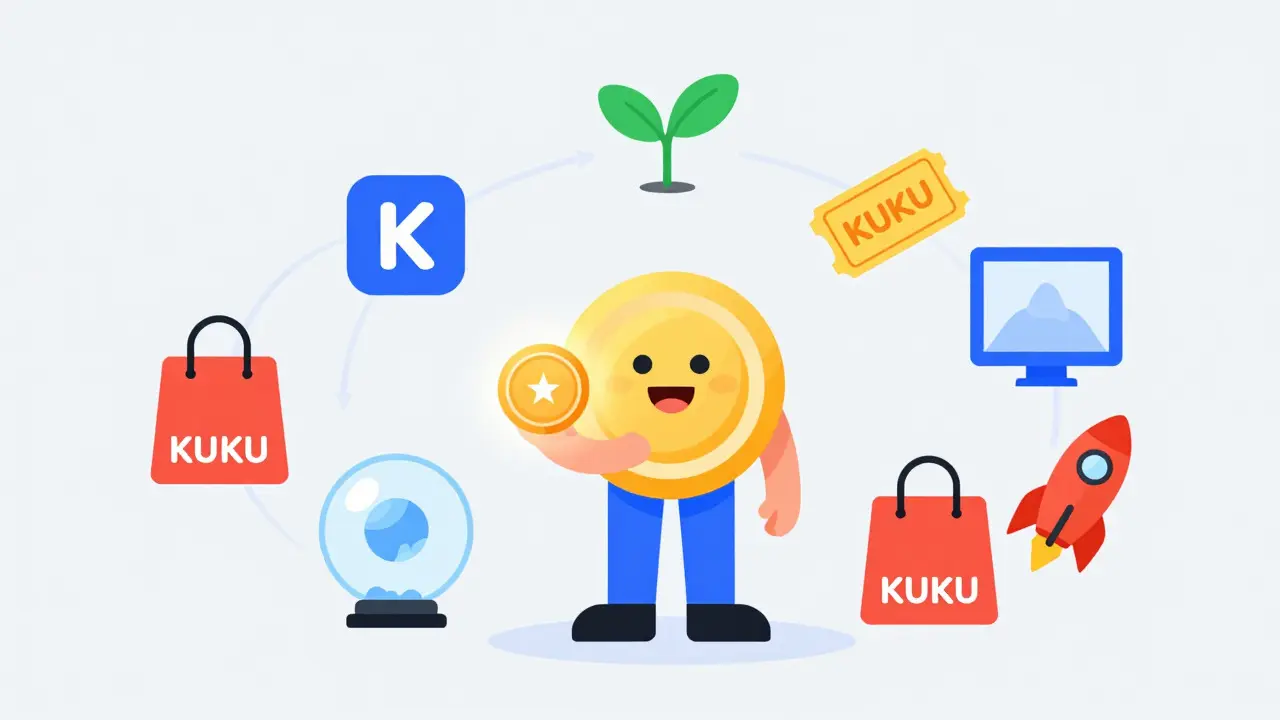
If KUKU were just a swap token, it would likely have faded into obscurity long ago. Its primary differentiator is its ambition to be a full-stack ecosystem. The team behind panKUKU has developed nine distinct products, aiming to cover every aspect of a user’s Web3 life. Let’s break down what’s included:
| Product Name | Functionality | User Benefit |
|---|---|---|
| KUKU SWAP | Automated Market Maker (AMM) | Trade tokens instantly without order books |
| KUKU Farm | Liquidity Staking | Earn rewards by providing liquidity |
| KUKU LOTTO | Barter Lottery System | Enter draws using tokens instead of fiat |
| NFT Marketplace | Digital Asset Trading | Mint, buy, and sell non-fungible tokens |
| KUKU SHOP | E-commerce Platform | Spend KUKU on physical goods |
| KUKU Prediction | Outcome Betting | Predict sports or crypto events |
| KUKU Launchpad | Token Sales | Access new project investments early |
The inclusion of KUKU SHOP is particularly interesting. Most DeFi tokens are stuck in the digital realm-you earn them, trade them, or stake them, but you can’t easily buy groceries with them. By integrating an e-commerce platform, panKUKU attempts to bridge the gap between crypto and real-world utility. This creates a closed loop: you earn KUKU through farming, spend it on the shop, or use it for lottery tickets. This multi-product approach is rare among smaller DEX projects, most of which focus solely on swapping.
Risks and Challenges: The Reality Check
No discussion of a small-cap crypto project is complete without addressing the risks. While the ecosystem looks impressive on paper, several factors warrant caution.
First, consider the competition. The Decentralized Exchange sector is dominated by giants like Uniswap, SushiSwap, and PancakeSwap. These platforms have established trust, deep liquidity, and massive developer communities. panKUKU, ranking outside the top 7,000, lacks this critical mass. Low liquidity means higher slippage when trading larger amounts, which can erode profits quickly.
Second, there is a notable lack of independent technical audits and whitepapers from reputable firms. Major research agencies like Messari or Delphi Digital haven’t published extensive reviews on panKUKU. For serious investors, this absence of third-party validation raises questions about code security and long-term viability. While the official website provides basic information, it doesn’t offer the granular technical details found in mature projects.
Finally, community engagement appears limited. Successful crypto projects thrive on active social media presence, regular updates, and responsive support. Data suggests that panKUKU has a quieter online footprint compared to its peers. Without a strong community to advocate for the project and provide feedback, growth can stall.

Who Is panKUKU For?
So, should you care about KUKU? It depends on your goals. If you’re looking for a safe, blue-chip investment, this probably isn’t it. The volatility and low market cap make it speculative at best.
However, if you’re a DeFi enthusiast who enjoys exploring niche ecosystems, panKUKU offers a sandbox to experiment with. The integrated nature of its apps allows you to test staking, NFT minting, and even e-commerce payments within a single interface. It’s also worth watching if you believe in the potential of emerging markets like Suriname contributing to the global blockchain narrative.
For practical use, ensure you have a compatible wallet like MetaMask or Trust Wallet set up for the Binance Smart Chain. You’ll need BNB for gas fees to interact with any of the KUKU products. Always start with small amounts to test the waters, given the project’s current size and liquidity constraints.
Final Thoughts on the Future
panKUKU represents a bold attempt to consolidate multiple Web3 utilities under one roof. Its hyper-deflationary model and diverse product suite show ambition. Yet, execution is everything in crypto. Without significant growth in user base, liquidity, and transparent governance, it risks remaining a footnote in the broader DeFi history.
Keep an eye on their roadmap developments, particularly the rollout of features like KUKU Play and expanded launchpad offerings. If they can attract developers and users beyond their initial circle, the ecosystem could find its footing. Until then, treat it as a high-risk, high-reward exploration rather than a core portfolio holding.
Is panKUKU (KUKU) a safe investment?
Like most small-cap cryptocurrencies, KUKU carries significant risk. It has a low market ranking (around #7,000+), limited liquidity, and lacks extensive independent audits. It should be considered a high-risk speculative asset rather than a stable investment. Always do your own research and never invest more than you can afford to lose.
Which blockchain does KUKU run on?
KUKU is a BEP-20 token, meaning it operates on the Binance Smart Chain (BSC). This allows for fast transactions and low fees compared to networks like Ethereum. To use KUKU, you need a BSC-compatible wallet such as MetaMask or Trust Wallet.
What makes panKUKU different from PancakeSwap?
While inspired by PancakeSwap, panKUKU aims to be a broader ecosystem. It includes not just a DEX (swap), but also an e-commerce store (KUKU SHOP), a lottery system, NFT marketplace, and prediction platform. However, PancakeSwap has significantly higher liquidity, market cap, and user adoption.
Can I spend KUKU tokens on real-world goods?
Yes, through the KUKU SHOP component of the ecosystem. This e-commerce platform allows users to purchase physical goods using KUKU tokens, providing direct utility beyond just trading or staking.
Where did the panKUKU project originate?
The project originated in Suriname, a country in South America. It is one of the few blockchain projects with documented roots in this region, distinguishing it geographically from many other crypto startups based in traditional tech hubs.
Leave a comments