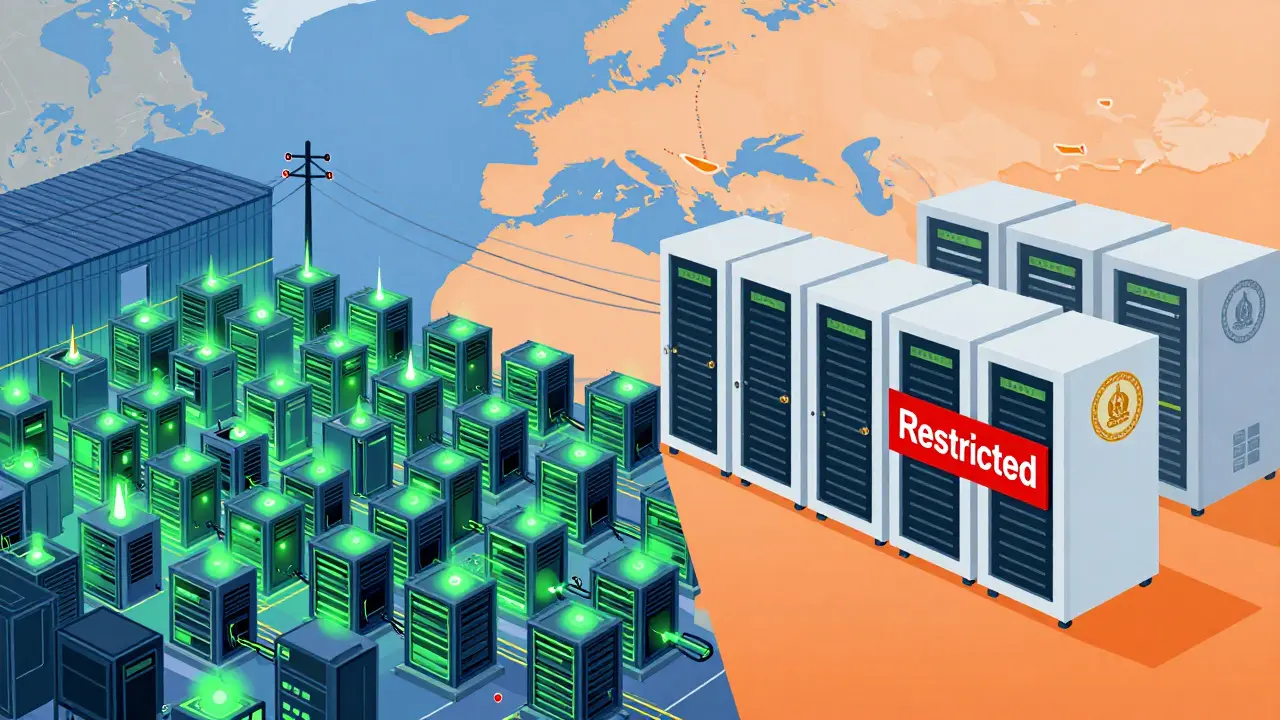
Imagine a country that went from being the world’s capital for Bitcoin mining to shutting down thousands of rigs in a single weekend. That is exactly what happened in Kazakhstan. If you are looking at Central Asia as a place to run your ASICs or build a data center, you need to understand one thing immediately: the era of cheap, unregulated power is over. The government has drawn a hard line between legal operations and criminal activity, and crossing it now means losing everything.
The shift wasn't sudden; it was forced by an energy crisis that nearly collapsed the national grid. Today, Kazakhstan's crypto mining sector operates under some of the strictest regulatory frameworks globally, designed to protect residential power supplies while keeping legitimate miners in business. This guide breaks down the current rules, the heavy taxes, and how the recent crackdown on illegal farms changes the landscape for operators in 2025 and beyond.
From Global Leader to Grid Emergency
To understand why the rules are so tight today, you have to look back at 2019. When China cracked down on its own mining industry, massive farms moved to Kazakhstan. They found abundant electricity and low costs. By 2021, Kazakhstan held more than 17% of the global Bitcoin hash rate. It was a boom town for miners.
But the infrastructure couldn't handle it. The rapid expansion strained the national electrical grid to breaking point. In winter 2021-2022, rolling blackouts hit hospitals, schools, and homes because mining farms were consuming too much power. The public outcry was immediate. People were freezing in their apartments while servers hummed in warehouses nearby. The government realized that allowing unchecked mining growth was unsustainable.
This led to a complete policy reversal. Instead of welcoming miners with open arms, authorities began treating unlicensed operations as a threat to national security. The goal shifted from attracting foreign investment to stabilizing the energy grid and capturing tax revenue from the industry.
The Legal Framework: Who Controls What?
If you want to mine legally in Kazakhstan today, you are dealing with a complex web of agencies. You cannot just plug in and start hashing. The regulatory framework involves several key entities:
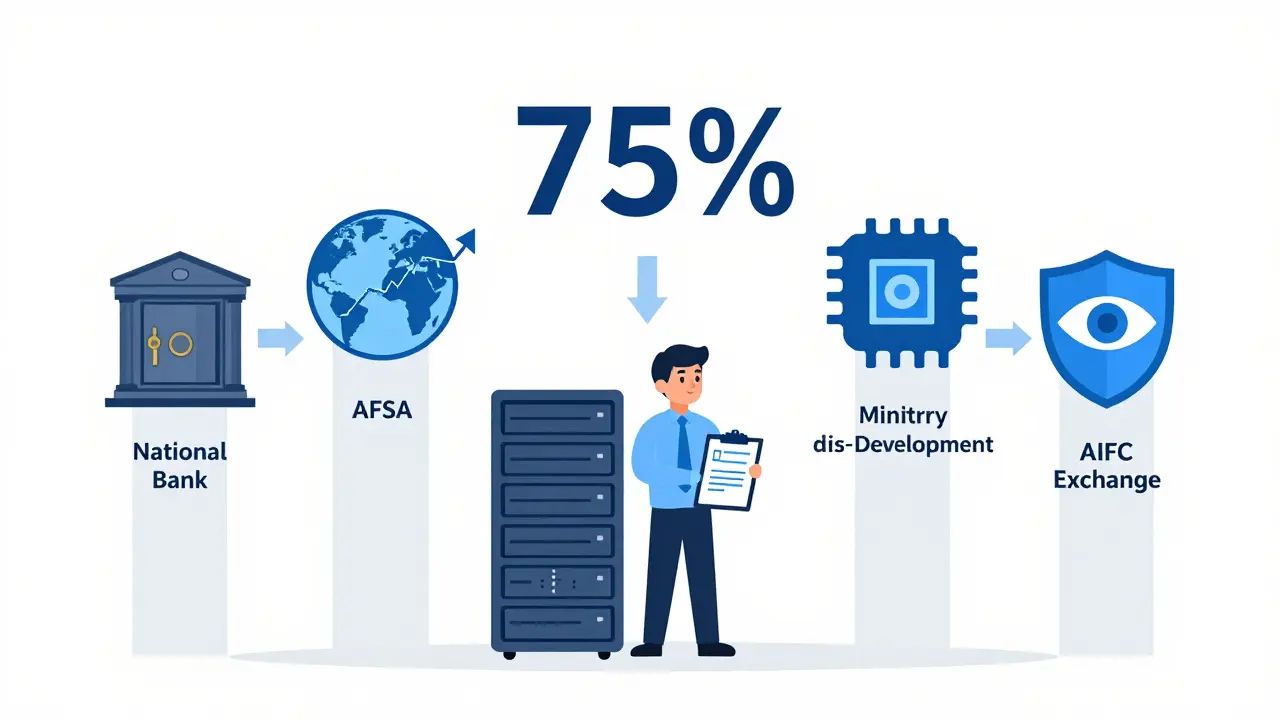
- National Bank of Kazakhstan (NBK): Oversees financial stability and digital asset policies.
- Astana Financial Services Authority (AFSA): Regulates trading activities within the Astana International Financial Centre (AIFC).
- Ministry of Digital Development, Innovation and Aerospace Industry (MDDIAI): Handles licensing and technical registration of mining equipment.
- Financial Monitoring Agency (FMA): Enforces anti-money laundering (AML) laws and tracks illicit flows.
As of 2025, cryptocurrency mining is legal, but only if you follow the rules. The government has issued 84 licenses and registered over 415,000 mining machines. However, these numbers represent a tiny fraction of what existed during the peak years. The system is now about quality control, not quantity, ensuring every kilowatt-hour is accounted for.
New Trading Rules: The 75% AIFC Mandate
One of the biggest changes for licensed miners in 2025 is where you can sell your profits. Previously, miners had more flexibility. Now, the rules are stricter. You must sell 75% of your mined cryptocurrency assets on platforms regulated by the Astana International Financial Centre (AIFC). This is up from the 50% requirement that was in place in 2024.
Why does this matter? It forces transparency. By routing most sales through AIFC-regulated exchanges, the government can track cash flows, ensure taxes are paid, and prevent money laundering. It also means you cannot simply move your coins to offshore wallets without leaving a paper trail. For serious operators, this adds administrative overhead but provides legal protection.
The remaining 25% can be traded elsewhere, but even those transactions are subject to scrutiny. The National Association of Blockchain and Data Center Industry in Kazakhstan monitors compliance, making it harder to operate in the gray market.
Taxes and Costs: What Miners Pay Now
Profit margins in Kazakhstan have changed significantly. You are no longer paying just for electricity. Here is what you need to budget for:
| Expense Type | Rate / Limit | Notes |
|---|---|---|
| Income Tax | 15% | Applied to gross income from mining operations. |
| Electricity Purchase Limit | 1 MWh per transaction | Bought via state-run platform to prevent hoarding. |
| Trading Requirement | 75% via AIFC | Mandatory sale volume on regulated platforms. |
| Licensing Fees | Variable | Depends on scale and location of operation. |
The 15% tax rate is standard for many jurisdictions, but combined with the cost of compliance and the mandatory use of specific trading platforms, the effective cost of doing business is higher. Electricity prices themselves have risen for miners compared to the rock-bottom rates seen in 2019. The state-run electricity platform ensures that miners do not undercut residential users, but it also removes the price advantage that once attracted so many companies.
The Crackdown on Illegal Mining
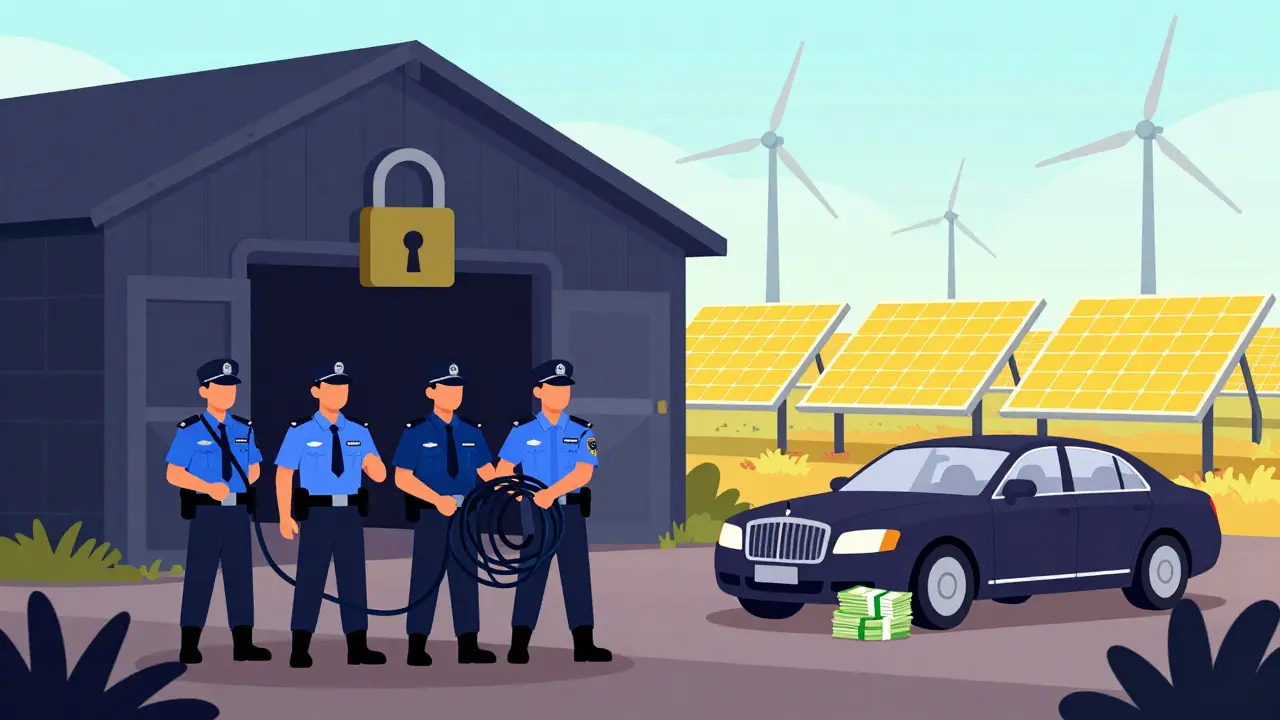
The most dramatic aspect of the current situation is the enforcement against illegal operations. In August 2025, authorities dismantled a massive illegal mining farm in East Kazakhstan Oblast. This wasn't a small basement setup. It was a sophisticated network consuming over 50 megawatt-hours of electricity-enough to power a city of 50,000 to 70,000 people.
The estimated value of the stolen electricity was approximately $16 million (9 billion tenge). The investigation revealed corrupt utility employees who diverted power intended for hospitals and social facilities. The profits from this illegal mining were used to buy high-end apartments in the capital and luxury vehicles, all of which were subsequently seized by the National Security Committee (KNB).
This case sets a clear precedent. Illegal mining is not just a civil violation; it is treated as organized crime involving corruption and theft of state resources. By 2024, authorities had already closed 36 unregulated exchanges and confiscated 4,000 mining devices. The message is loud: if you are not licensed, you will be shut down, and your assets will be taken.
Energy Solutions: Renewables and the 70/30 Plan
With the grid under pressure, the government is looking for ways to balance demand. Energy Minister's representative Tuleushin proposed a "70/30" energy program. Under this plan, foreign investors would fund upgrades to thermal power plants. In return, 70% of the generated capacity would go to the national grid to support residents and industries, while 30% could be allocated to crypto miners.
This approach attempts to turn miners into partners rather than parasites. By investing in infrastructure, miners help stabilize the grid while securing a portion of the new capacity. Additionally, there is a growing push toward renewable energy. Solar and wind projects are being initiated to support mining operations without compromising environmental commitments. This aligns with global trends where miners are increasingly expected to use green energy to reduce their carbon footprint.
Is Kazakhstan Still Viable for Miners?
For large, well-capitalized companies willing to comply with regulations, Kazakhstan remains a viable option. The country offers political stability, a developing legal framework for digital assets, and access to energy resources. Major global mining firms have established operations here, contributing to local job creation and technological advancement.
However, for small operators or those looking for quick profits through gray-market electricity, the risk is too high. The regulatory net is closing fast. The combination of strict licensing, mandatory trading through AIFC, high taxes, and aggressive enforcement against illegal farms means that only professional, compliant businesses can survive.
The future of mining in Kazakhstan depends on balancing innovation with grid stability. The government wants to encourage technology development but within strict boundaries. If you can navigate the bureaucracy and pay the taxes, you can still mine here. But if you try to cut corners, you will likely end up like the operators in East Kazakhstan-with nothing but a prison sentence.
Is cryptocurrency mining still legal in Kazakhstan?
Yes, cryptocurrency mining is legal in Kazakhstan as of 2025, but only for licensed operators. You must register your equipment with the Ministry of Digital Development, obtain proper permits, and comply with strict anti-money laundering and tax regulations. Unlicensed mining is considered a criminal offense.
What is the tax rate for crypto miners in Kazakhstan?
Licensed crypto miners in Kazakhstan pay a 15% tax rate on their gross income from mining operations. This is in addition to other compliance costs and electricity fees purchased through the state-run platform.
Where must miners sell their cryptocurrency?
As of 2025, miners are required to sell 75% of their mined cryptocurrency assets on platforms regulated by the Astana International Financial Centre (AIFC). The remaining 25% can be traded on other exchanges, but all activities are monitored for compliance.
What happens if I run an unlicensed mining farm?
Running an unlicensed mining farm carries severe risks. Authorities regularly conduct raids, confiscate equipment, and seize assets bought with illicit profits, such as real estate and vehicles. Operators can face criminal prosecution for theft of electricity and corruption charges if utility insiders are involved.
How did the energy crisis affect mining regulations?
The energy crisis, caused by excessive power consumption by mining farms leading to blackouts in residential areas, forced the government to implement strict controls. Regulations were introduced to limit electricity purchases, mandate licensing, and prioritize grid stability over unrestricted mining growth.
Can foreign investors participate in mining in Kazakhstan?
Yes, foreign investors can participate, particularly through programs like the proposed 70/30 energy plan where they fund power plant upgrades. However, they must adhere to the same strict licensing, tax, and trading requirements as domestic operators.
Leave a comments