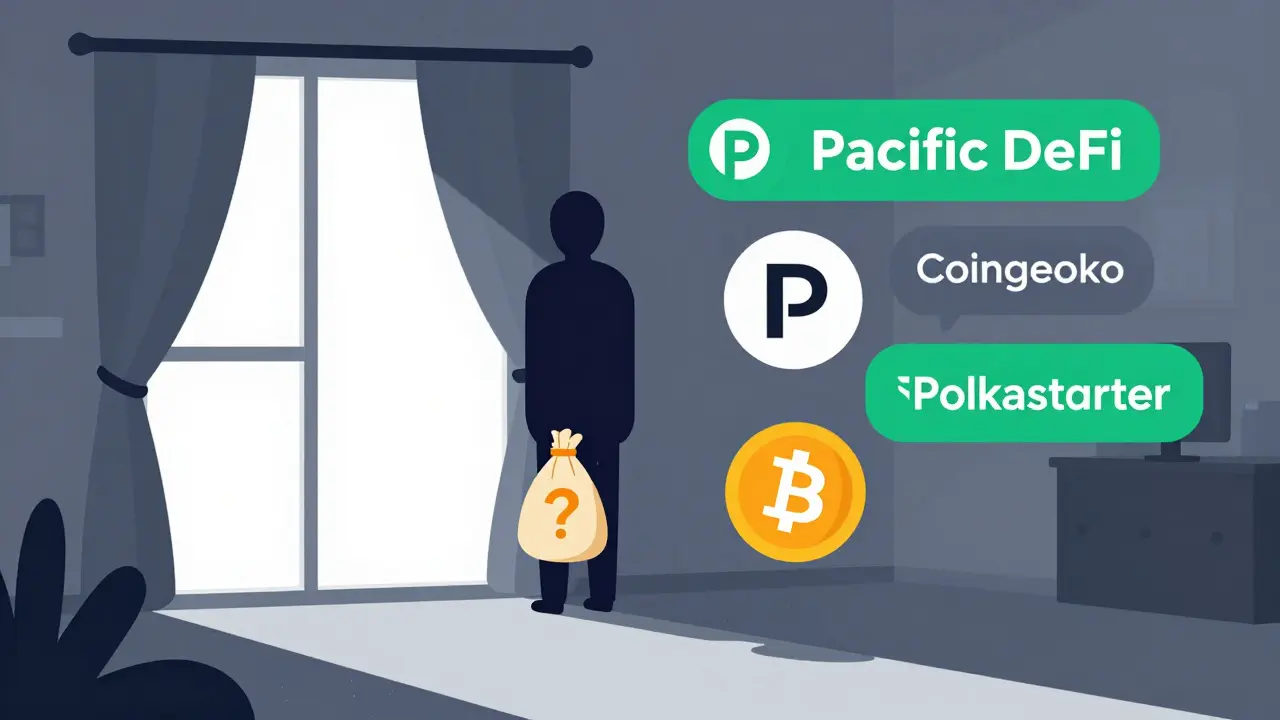
Have you seen the hype around the Pacific DeFi IDO launch and its promised airdrop? If you are looking for details on how to claim these tokens, I have some urgent news for you. As of July 2026, there is absolutely no verified information about a project called "Pacific DeFi" in any reputable cryptocurrency database, launchpad listing, or security audit report.
This silence is not just an oversight; it is a massive red flag. In the world of decentralized finance (DeFi), visibility equals credibility. Legitimate projects do not hide. They appear on major trackers like CoinGecko, they list themselves on established launchpads like Polkastarter or DAO Maker, and their code is publicly audited by firms like CertiK or OpenZeppelin. The complete absence of Pacific DeFi from these sources suggests one of two things: either the project does not exist, or it is a sophisticated scam designed to steal your funds.
The Danger of Invisible Projects
Why should you care if a project isn't listed? Because in crypto, anonymity is often a weapon used against investors. When a project launches an Initial DEX Offering (IDO) without being tracked by industry standards, it means there is no accountability. There is no team behind it that can be held responsible if they run away with your money. This is commonly known as a "rug pull."
Let's look at what legitimate projects do. Take a recent example like Nexchain, which raised over $10 million through transparent presale stages documented publicly. Or consider major airdrops from 2025 like Solayer Labs or Plume Network, which had clear eligibility criteria and were widely discussed across trusted platforms like ZebPay and CryptoNinjas. These projects had whitepapers, GitHub repositories, and active community governance. Pacific DeFi has none of this. If you cannot find a whitepaper, a smart contract address on Etherscan or BscScan, or a verified Twitter account with a substantial history, you are walking into a trap.
How Fake IDO Airdrops Work
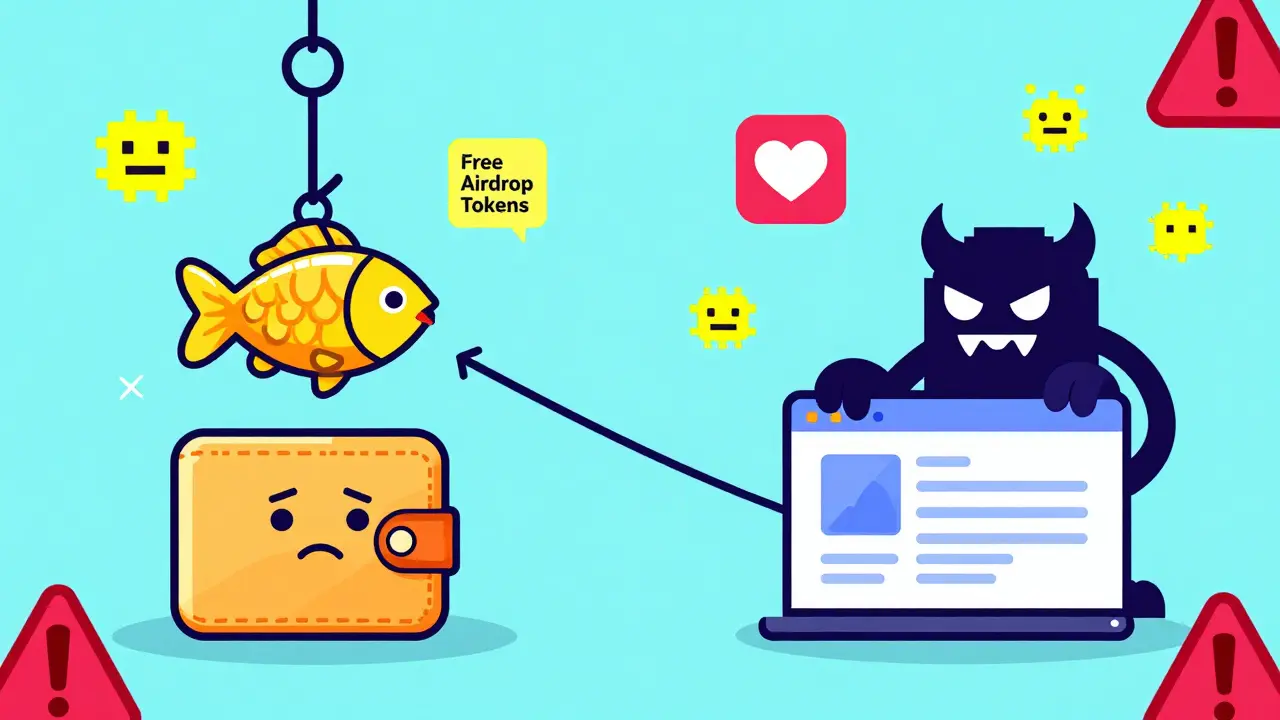
You might be wondering, "If it's fake, why is everyone talking about it?" Scammers use social media bots, paid influencers, and fake Telegram groups to create artificial hype. They promise high returns and free tokens via an "airdrop" to lure you in. Here is the typical playbook:
- The Hook: You see a post claiming Pacific DeFi is launching soon and offering free tokens to early supporters.
- The Task: To qualify, you are asked to connect your wallet to a specific website, sign a transaction, or send a small amount of ETH or SOL to "verify" your address.
- The Trap: That signature or transaction is actually granting the scammers permission to drain your wallet. Or, the website you connected to is a phishing site that steals your private keys or seed phrase.
- The Disappearance: Once enough funds are collected, the website goes offline, the Telegram group is deleted, and the developers vanish.
This is not speculation. Security researchers at ZebPay and other firms warn constantly about the frequency of such scams in the IDO space. The permissionless nature of blockchain allows anyone to deploy a token contract. Just because a token exists on-chain doesn't mean it has value or a legitimate team behind it.
Red Flags: How to Spot a Scam Before You Click
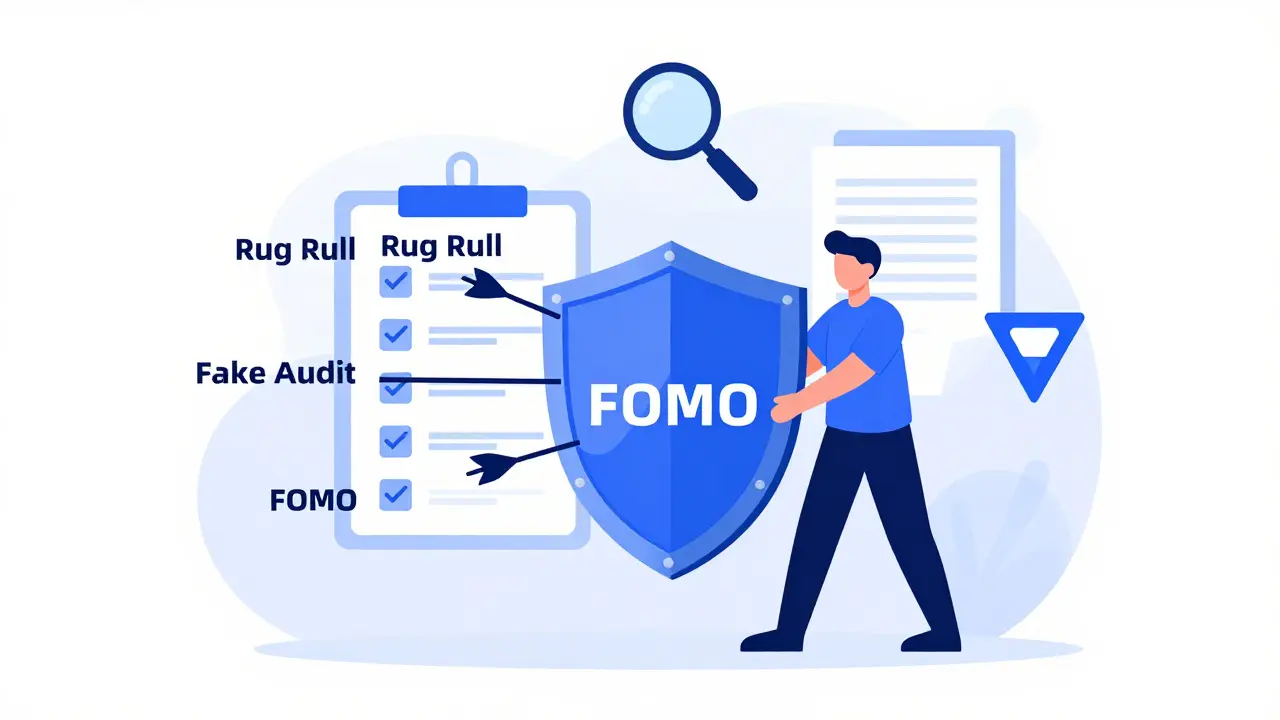
To protect yourself, you need to learn to spot the warning signs. Here is a checklist to run through before engaging with any new crypto project, especially one as obscure as Pacific DeFi:
- No Audit Report: Does the project link to an audit from a recognized firm? If not, stay away. Audits check for vulnerabilities in the code that could allow developers to freeze funds or mint infinite tokens.
- Vague Team Info: Legitimate teams have LinkedIn profiles, past work history, and public identities. Anonymous teams are risky, but completely fabricated bios are a scam.
- Unrealistic Promises: If the project promises guaranteed high APYs or massive ROI with zero risk, it is a lie. DeFi carries inherent risks; no one can guarantee profits.
- Pressure Tactics: Scammers create urgency. "Claim now before it's gone!" "Only 100 spots left!" Real projects give you time to research. Fear of missing out (FOMO) is their primary tool.
- Spelling and Grammar Errors: Professional projects hire professional writers. Poorly written websites and documents are a strong indicator of a low-effort scam.
Legitimate Alternatives to Pacific DeFi
If you are interested in participating in IDOs and earning airdrops, there are safe, verified ways to do so. Instead of chasing ghosts like Pacific DeFi, focus on established ecosystems and launchpads.
| Feature | Legitimate Projects (e.g., Story Protocol, Plume) | Suspicious Projects (e.g., Pacific DeFi) |
|---|---|---|
| Verification | Listed on CoinGecko/CoinMarketCap | No presence on major trackers |
| Launchpad | Polkastarter, DAO Maker, BSCPad | Unknown or self-hosted website |
| Audits | Public reports from CertiK, Hacken, etc. | No audits or fake certificates |
| Community | Active Discord/Telegram with real users | Bots, silence, or aggressive admins |
| Roadmap | Detailed, dated milestones | Vague promises or no roadmap |
Platforms like Polkastarter and DAO Maker have strict due diligence processes. They vet projects before allowing them to launch. Participating through these channels significantly reduces your risk. Additionally, keep an eye on retroactive airdrops from major Layer 2 solutions like Arbitrum, Optimism, and zkSync, which have historically rewarded genuine users who interact with the network, rather than those who chase hype.
What to Do If You Already Engaged
If you have already connected your wallet to a Pacific DeFi website or signed a transaction, take immediate action. First, revoke all approvals. Use tools like Revoke.cash or Uniswap's revoke feature to remove any permissions you granted to unknown contracts. Second, move your remaining funds to a new, clean wallet with a fresh seed phrase. Assume your current wallet is compromised. Finally, monitor your transaction history for any unauthorized transfers.
Remember, in crypto, you are your own bank. There is no customer support to call if you get scammed. Prevention is your only defense. Always verify, always double-check, and never trust a project that hides in the shadows.
Is Pacific DeFi a legitimate cryptocurrency project?
No. As of July 2026, there is no verified information, audit, or listing for Pacific DeFi on any reputable cryptocurrency platform. Its absence from major trackers and launchpads strongly indicates it is a scam or non-existent project.
How can I tell if an IDO airdrop is a scam?
Look for red flags such as lack of public audits, anonymous teams, unrealistic profit promises, pressure to act quickly, and absence from major tracking sites like CoinGecko or CoinMarketCap. Legitimate projects provide full transparency and verifiable documentation.
What are some safe alternatives for participating in IDOs?
Use established launchpads like Polkastarter, DAO Maker, and BSCPad. These platforms vet projects before listing them. Also, participate in well-known ecosystems like Ethereum Layer 2s (Arbitrum, Optimism) where retroactive airdrops have historically been distributed to genuine users.
Should I connect my wallet to unknown websites for airdrops?
Never. Connecting your wallet to unverified sites can grant scammers access to drain your funds. Only connect to websites you have thoroughly researched and confirmed as legitimate through multiple independent sources.
What should I do if I think I've been scammed by Pacific DeFi?
Immediately revoke all wallet approvals using tools like Revoke.cash, move your remaining assets to a new secure wallet, and change your passwords. Unfortunately, recovered funds are rare, so prevention is critical.
Leave a comments