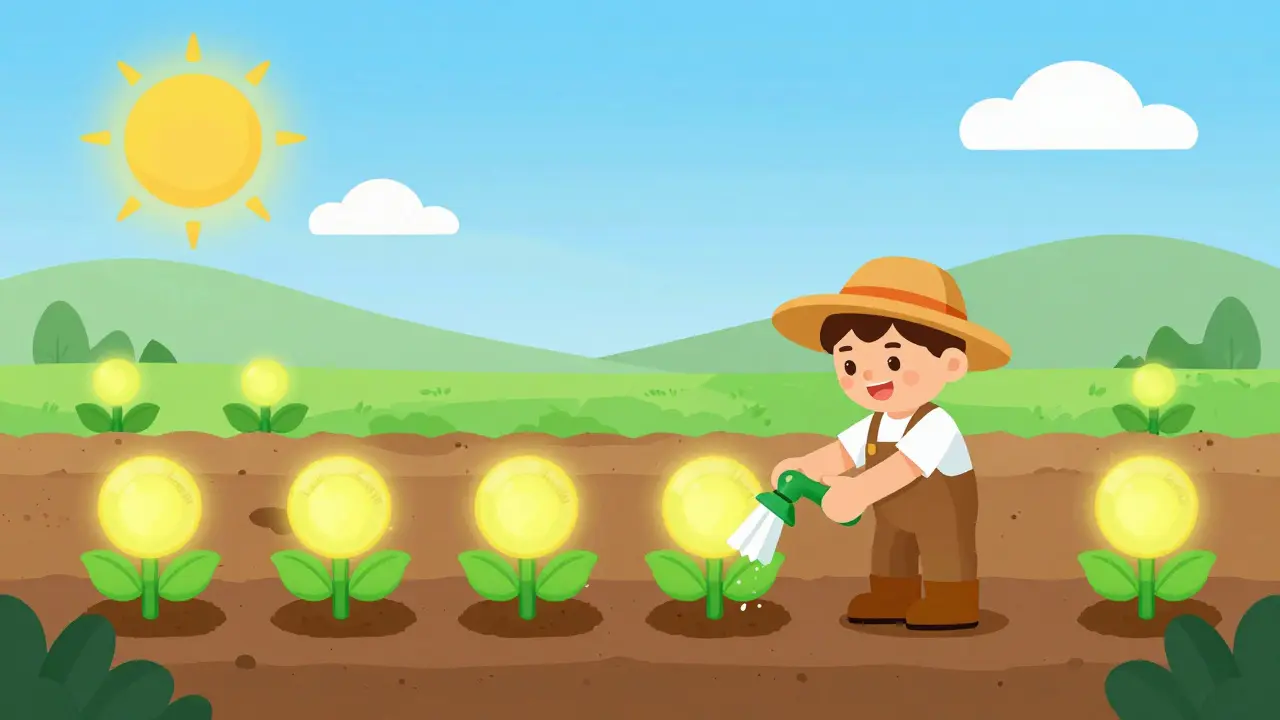
You’ve likely seen the buzz about a Plant vs Undead (PVU) event tied to "BSC MVB III" promising free tokens. It sounds too good to be true, doesn't it? In the world of blockchain gaming, especially on the Binance Smart Chain (BSC), promises of massive airdrops are common hooks. But here is the hard truth: there is no verified, official record of a "BSC MVB III PVU Event airdrop." What you are likely looking at is either a misunderstanding of community events or, more dangerously, a sophisticated scam designed to drain your wallet.
Before you send a single satoshi or click any link, you need to understand what Plant vs Undead actually is, how legitimate rewards work in this ecosystem, and why that specific "MVB III" label should trigger your red flags immediately. This guide will help you separate fact from fiction so you don’t lose your hard-earned crypto.
What Is Plant vs Undead (PVU)?
To spot a fake, you first need to know the real thing. Plant vs Undead is a blockchain-based play-to-earn game built on the Binance Smart Chain. It launched during the peak of the NFT gaming boom, combining casual farming mechanics with decentralized finance (DeFi) elements.
The core loop is simple: you buy NFT plants using PVU tokens, plant them on virtual land, and water them. As they grow, they produce Light Energy (LE). You can then harvest these plants to earn LE, which you trade for PVU tokens or use to buy better tools. The game has evolved through multiple "years" or cycles, introducing survival modes and multiplayer features. However, like many early Web3 games, its market value has fluctuated significantly since its launch.
The "BSC MVB III" Red Flag
Let’s break down the terminology in that title you saw. "BSC" stands for Binance Smart Chain, the network where PVU lives. "MVB" usually refers to Binance’s "Most Valuable Builder" program, which recognizes top developers and projects. "III" implies a third iteration.
Here is the problem: There is no public, official announcement from Binance or the Plant vs Undead team linking an "MVB III" status to a specific public airdrop event for retail users. Legitimate airdrops from major partners like Binance are announced on their main channels-Twitter, Discord, and official blogs-not through obscure links or Telegram groups asking you to interact with unknown contracts.
If someone is claiming this is an exclusive "MVB III" drop, they are likely borrowing the credibility of Binance to make a scam look legitimate. Always check the source. If it isn’t coming directly from @plantvsundead or @binance, treat it as suspicious.
How Real PVU Rewards Work
Legitimate ways to earn PVU tokens exist, but they require effort, not just clicking a button. Understanding these mechanisms helps you recognize when something is fake.
- Farming Mode: This is the primary way players earn. You spend PVU to buy seeds or temporary plants. These plants generate Light Energy (LE) over time. You then sell LE for PVU. It’s a grind, not a free lunch.
- NFT Marketplace: Players trade rare plant NFTs. High-tier plants cost more but yield higher returns. This is a speculative market, similar to buying art or collectibles.
- Survival Mode: Players fight waves of undead enemies. Winning yields PVU rewards based on performance. This requires skill and active gameplay.
Notice a pattern? All legitimate methods require you to already own assets (NFTs) or invest time playing. They do not ask you to send tokens to a random address to "unlock" a reward.
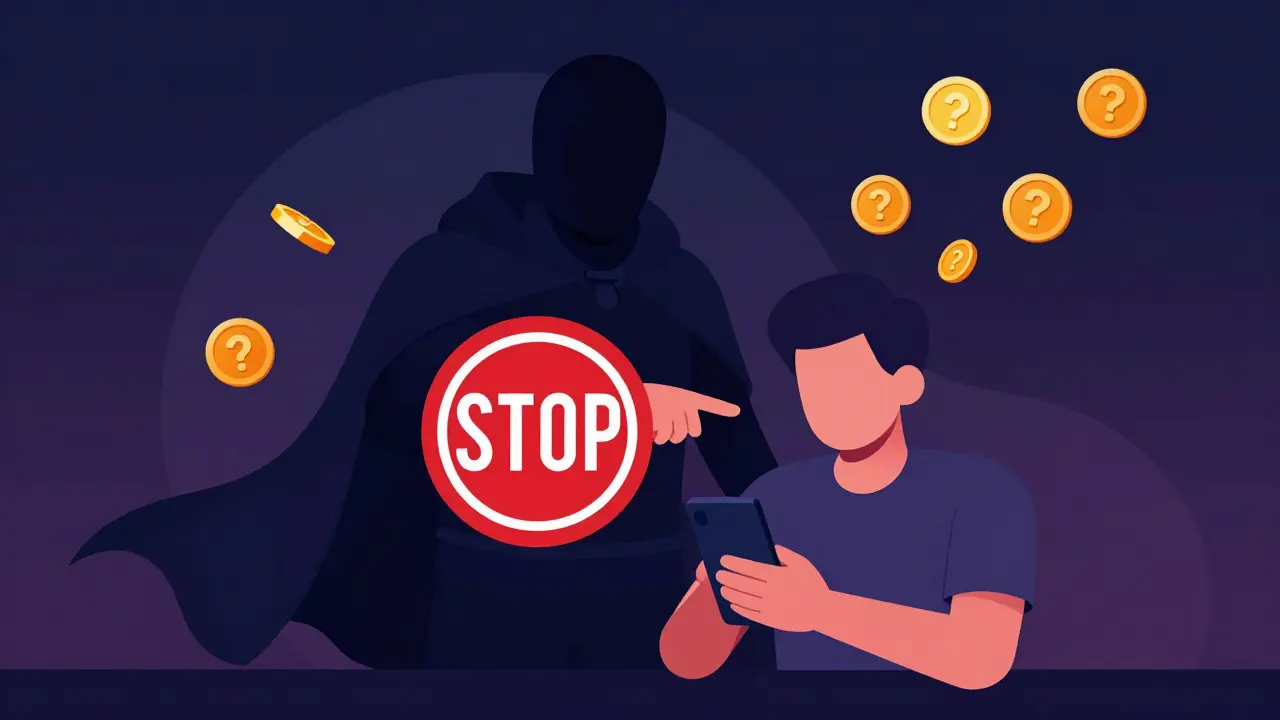
The Classic "Send to Receive" Scam
This is the most dangerous trap associated with PVU airdrop rumors. Scammers create fake websites or Telegram bots claiming to offer a "1 million PVU pool" or "MVB III Bonus." The catch? They ask you to send a small amount of PVU (e.g., 200-3,000 PVU) to a specific wallet address to "verify" your eligibility or "activate" the airdrop.
Never do this.
In cryptocurrency, transactions are irreversible. Once you send those tokens to that address, they are gone. The promise of receiving 2,000 or 30,000 PVU in return is a lie. This is a classic "pig butchering" or advance-fee scam variant tailored for crypto gamers. The address 0xc0c3465Fdc5aD466b807dddE629C3C20224007Be has been flagged in past discussions as part of such schemes. Do not interact with it.
How to Verify Any Airdrop Claim
With so much noise in the crypto space, verification is your best defense. Use this checklist before engaging with any claimed PVU event:
- Check Official Channels: Go to the official Plant vs Undead website and their verified Telegram announcement channel. Look for a pinned post or recent update mentioning the event. If it’s not there, it doesn’t exist.
- Analyze the Contract: If an airdrop requires connecting your wallet, inspect the contract address on BscScan. Does it match the official PVU token contract? If it’s a new, unverified contract, disconnect immediately.
- Ask Yourself: "Why Me?" Why would a project give away thousands of dollars worth of tokens to strangers for free? Most legitimate airdrops target early adopters, testers, or holders who have contributed to the network. Random giveaways are almost always scams.
- Look for Urgency: Scammers use phrases like "Limited spots!" or "Ends in 2 hours!" to force impulsive decisions. Legitimate projects provide clear timelines and terms.

Current State of PVU Token
It’s also important to manage expectations regarding the value of PVU tokens. As of 2026, the PVU token trades at a fraction of its all-time high. Historical data shows prices hovering around $0.0009, with modest trading volumes. While this means entry costs are low, it also indicates that the hype cycle has cooled significantly compared to 2021.
This market reality makes "high-yield" airdrop claims even more suspect. If the token price is low, a "free" airdrop of 10,000 PVU might only be worth a few dollars. Scammers exploit hope, but the math rarely supports their promises.
Safe Alternatives for Crypto Gamers
If you’re interested in play-to-earn gaming on BSC without the risk of scams, consider these safer approaches:
- Stable Yield Farming: Instead of chasing risky airdrops, provide liquidity to established pairs on reputable decentralized exchanges (DEXs) like PancakeSwap. You earn fees from trades, which is transparent and verifiable.
- Official Game Updates: Follow Plant vs Undead’s development roadmap. Participate in beta tests for new modes like PvPvP. These often offer legitimate incentives for feedback, not free money.
- Diversify Your Portfolio: Don’t put all your capital into one game’s token. Spread your investment across different sectors of DeFi and gaming to mitigate risk.
Is the Plant vs Undead BSC MVB III airdrop real?
No. There is no official evidence from Plant vs Undead or Binance confirming a "BSC MVB III" airdrop event. Claims of such an event are likely scams designed to steal your tokens. Always verify information through official project channels.
Can I get free PVU tokens?
You cannot get significant amounts of PVU for free without risk. Legitimate earnings come from playing the game (farming, survival mode) or trading NFTs. Any scheme asking you to send tokens first to receive more is a scam.
What is the current price of PVU token?
As of 2026, PVU trades at approximately $0.0009 USD. Prices fluctuate based on market conditions and game updates. Check CoinMarketCap or CoinGecko for real-time data.
How do I avoid crypto airdrop scams?
Never send tokens to verify an airdrop. Only interact with official contract addresses found on the project’s website. Be skeptical of urgency tactics and promises of high returns for minimal effort. Use hardware wallets for added security.
What is Light Energy (LE) in Plant vs Undead?
Light Energy (LE) is a utility token generated by growing plants in the game. Players harvest LE and can exchange it for PVU tokens or use it to buy in-game tools. It is a key part of the play-to-earn economy.
Leave a comments