Bank Withdrawal Crypto: How to Get Crypto Out of Exchanges and Into Your Bank
When you own cryptocurrency, it’s not just a digital asset—it’s money. But bank withdrawal crypto, the process of turning crypto into fiat currency and sending it to a traditional bank account. Also known as crypto cashout, it’s one of the most common but misunderstood steps in crypto ownership. Most people buy crypto hoping to use it later—whether to pay bills, save for a car, or just avoid inflation. But if your crypto stays locked on an exchange, it’s not really yours. And if you can’t move it to your bank, it’s not really usable as money.
Not all exchanges let you do bank withdrawal crypto, a direct transfer from a crypto platform to a regulated financial institution. Also known as fiat on-ramp/off-ramp, this feature depends on location, regulation, and the exchange’s license. For example, SATOS, a Dutch exchange regulated by DNB, lets users withdraw euros directly to local bank accounts. But platforms like BIT.com, a high-leverage exchange that bans users from major countries, don’t offer bank withdrawals at all. Even if you can withdraw, fees, limits, and wait times vary wildly. Some take minutes, others take days. Some charge 1%, others charge 5% or more.
Why does this matter? Because if your crypto can’t become cash when you need it, you’re not in control. You’re at the mercy of the exchange’s rules, their banking partners, and their compliance policies. Countries like Argentina, where banks block crypto-related transactions, make withdrawals harder. In Russia, where domestic crypto use is banned, even withdrawing to a bank can trigger legal scrutiny. Meanwhile, places like Japan and the Netherlands have clearer paths because exchanges are licensed and monitored. You can’t just click a button and expect magic—you need to know which exchanges support bank transfers, what ID they require, and how long it takes.
There’s also the tax side. Canada, Indonesia, and other countries track crypto-to-fiat conversions as taxable events. If you withdraw $5,000 in Bitcoin to your bank, the tax agency doesn’t care that you bought it for $2,000—they care that you sold it for $5,000. That’s a capital gain. And if you don’t report it, you risk fines or audits. So bank withdrawal crypto isn’t just a technical step—it’s a financial one.
Below, you’ll find real guides on exchanges that allow withdrawals, countries where it’s legal or blocked, and how to avoid scams pretending to offer fast cashouts. Some posts show you how to withdraw safely in Japan, others warn you about fake platforms like UniDex that vanish with your funds. You’ll see what works, what doesn’t, and what to watch out for—no fluff, no hype, just what you need to get your crypto into your bank account without getting burned.
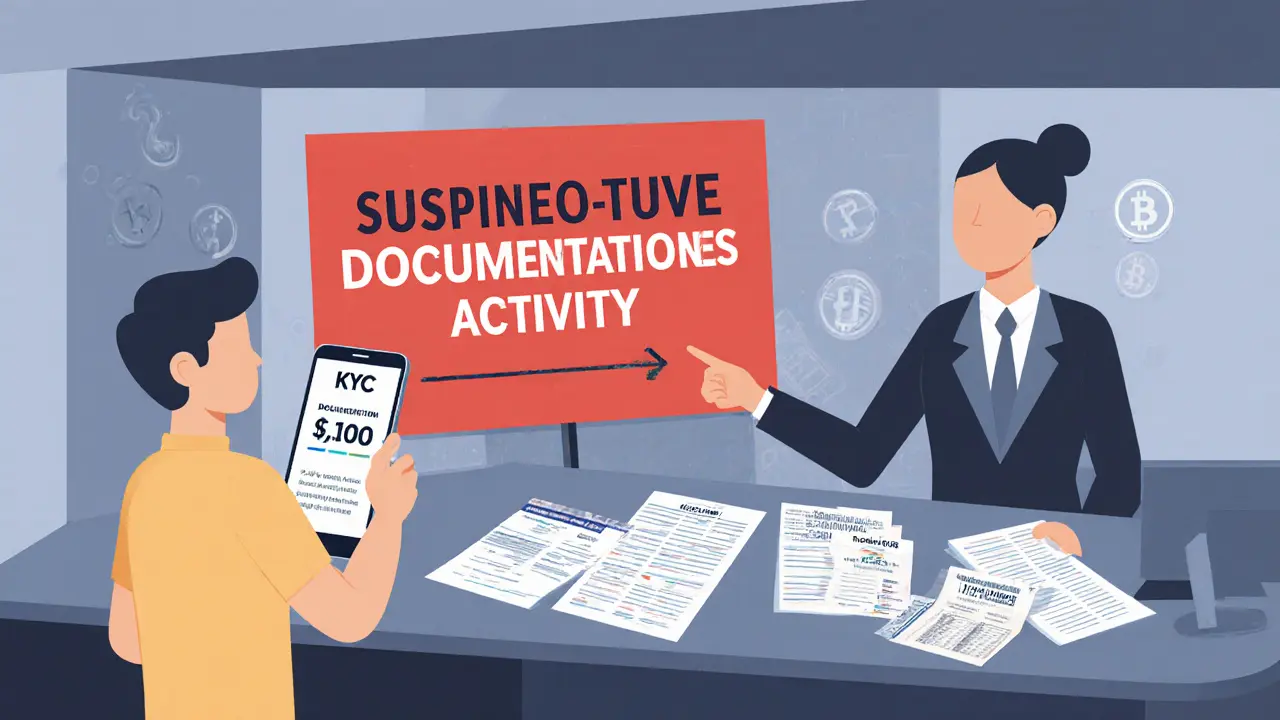
How Do Banks in India React When You Withdraw Crypto to Fiat?
In India, withdrawing crypto to fiat is legal but heavily restricted. Banks often freeze accounts unless you prove compliance with KYC, FIU-IND rules, and 30% crypto taxes. Here's how to do it safely in 2025.
Details +