CBDC Iraq: What You Need to Know About Iraq's Central Bank Digital Currency Plans
When thinking about CBDC Iraq, a state-backed digital version of the Iraqi dinar controlled by the Central Bank of Iraq. Also known as the digital dinar, it's part of a global push by central banks to replace cash with secure, trackable digital money. Unlike Bitcoin or Ethereum, a CBDC isn’t decentralized—it’s fully controlled by the government and designed to replace physical currency, not compete with it.
Iraq’s interest in a central bank digital currency, a digital form of national currency issued and regulated by the country’s central bank has been public since 2020, but little has moved forward. The Central Bank of Iraq has tested pilot systems, explored blockchain infrastructure, and even consulted with international partners like the IMF. Yet, political instability, U.S. sanctions limiting financial tech access, and a weak banking system have stalled real implementation. While countries like Nigeria and China have rolled out live CBDCs, Iraq’s version remains stuck in planning mode.
What makes blockchain Iraq, the use of distributed ledger technology by Iraqi institutions to improve financial transparency and reduce corruption so complicated here isn’t the tech—it’s the environment. Banks still rely on paper checks. Many citizens don’t have bank accounts. And with foreign exchange controls and cash-heavy informal markets, introducing a digital currency requires more than software—it needs trust, infrastructure, and security. Even if the CBDC launches, will people use it if they can’t cash out easily? Will businesses accept it if the system is slow or prone to outages?
Meanwhile, monetary policy Iraq, the set of tools and decisions used by the Central Bank of Iraq to manage inflation, currency value, and financial stability is under pressure. With inflation rising and the dinar losing value, a CBDC could help the bank track money flow, reduce smuggling, and cut down on counterfeit cash. But without real banking access for the public, it risks becoming another top-down project that doesn’t reach the people it’s meant to help.
What you’ll find in the posts below isn’t a direct match for Iraq’s CBDC—there are no live updates or official reports here. But you’ll see how other countries handle digital currencies under pressure, how sanctions block financial innovation, and what happens when a government tries to digitize money without fixing the basics first. These aren’t just stories about tech—they’re about power, control, and who gets left behind when money goes digital.
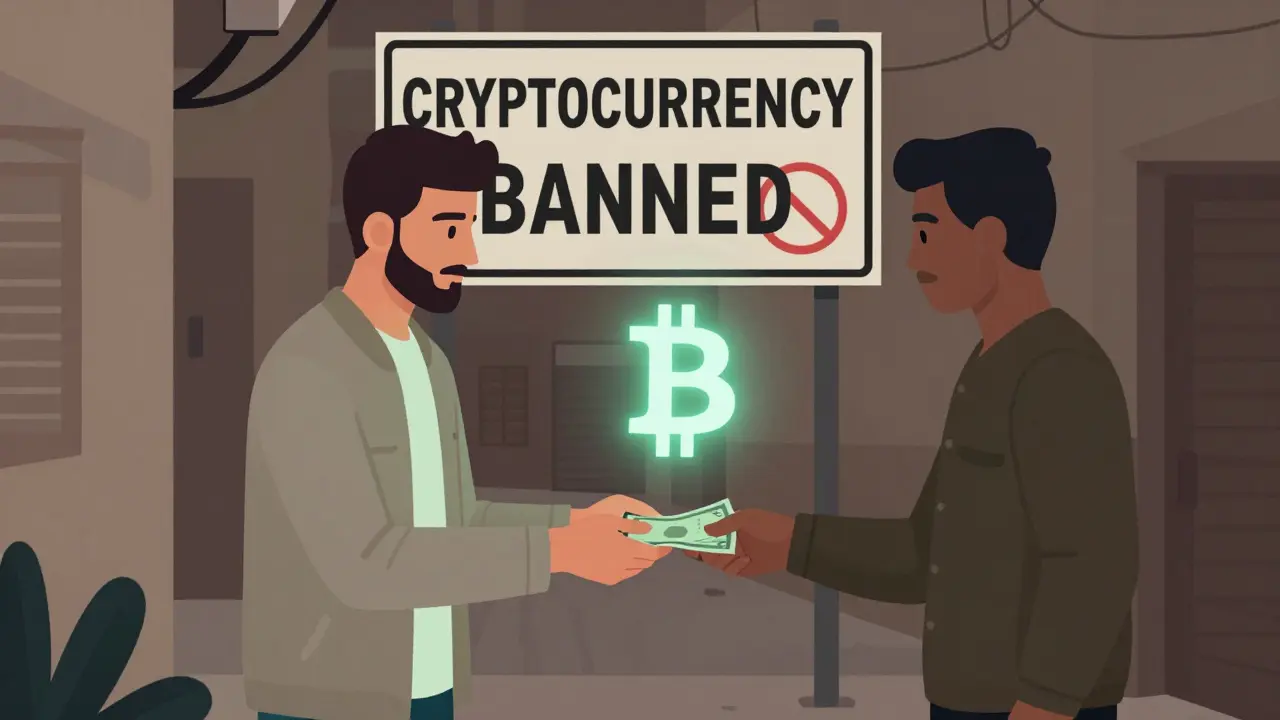
Central Bank of Iraq Crypto Restrictions: What You Need to Know in 2025
Iraq's Central Bank bans all cryptocurrency transactions, but crypto still moves underground. Learn why the ban exists, how it affects everyday people, and what the new state digital currency means for freedom and control.
Details +