Central Bank of Iraq and Its Role in Crypto Regulation
Central Bank of Iraq, the government institution responsible for issuing the Iraqi dinar and managing monetary policy. Also known as CBI, it has consistently blocked cryptocurrency adoption, treating Bitcoin and other digital assets as unregulated and risky. Unlike countries that experiment with central bank digital currencies, the Central Bank of Iraq has made it clear: crypto is not legal tender, and banks must not process crypto-related transactions.
This stance isn’t just about control—it’s about survival. The Iraqi economy still relies heavily on the U.S. dollar and remittances from abroad. When people try to use crypto to send money home or buy goods online, banks freeze accounts. The Central Bank of Iraq doesn’t just discourage crypto—it actively enforces bans through financial institutions. Even if you hold Bitcoin in a wallet, withdrawing it to a local bank can trigger scrutiny, delays, or worse.
The Iraqi dinar remains the only official currency, and the Central Bank of Iraq has no plans to issue a digital version. While some neighboring countries like Turkey and Egypt are slowly opening up to crypto, Iraq’s regulators see it as a threat to financial stability. That’s why you won’t find licensed exchanges operating inside Iraq. Even peer-to-peer trading carries risk—users have reported being investigated by authorities after large crypto transfers.
There’s a quiet irony here. Iraq has one of the highest internet penetration rates in the region, and young people are tech-savvy. Many use crypto to bypass inflation and currency controls, but they do it in the shadows. Wallets, VPNs, and overseas exchanges become essential tools. Meanwhile, the Central Bank of Iraq continues to push for a digital currency of its own, one it can fully control. That’s the real goal—not to embrace decentralization, but to replace cash with something trackable, taxable, and tied to state power.
What you’ll find in this collection are real stories from Iraqis who’ve tried to use crypto anyway. Some got locked out of their bank accounts. Others lost money to fake exchanges pretending to be legal. A few found ways to trade safely, using offshore platforms and strict privacy habits. These aren’t theoretical guides—they’re lived experiences from a country where holding crypto isn’t illegal, but using it can be dangerous.
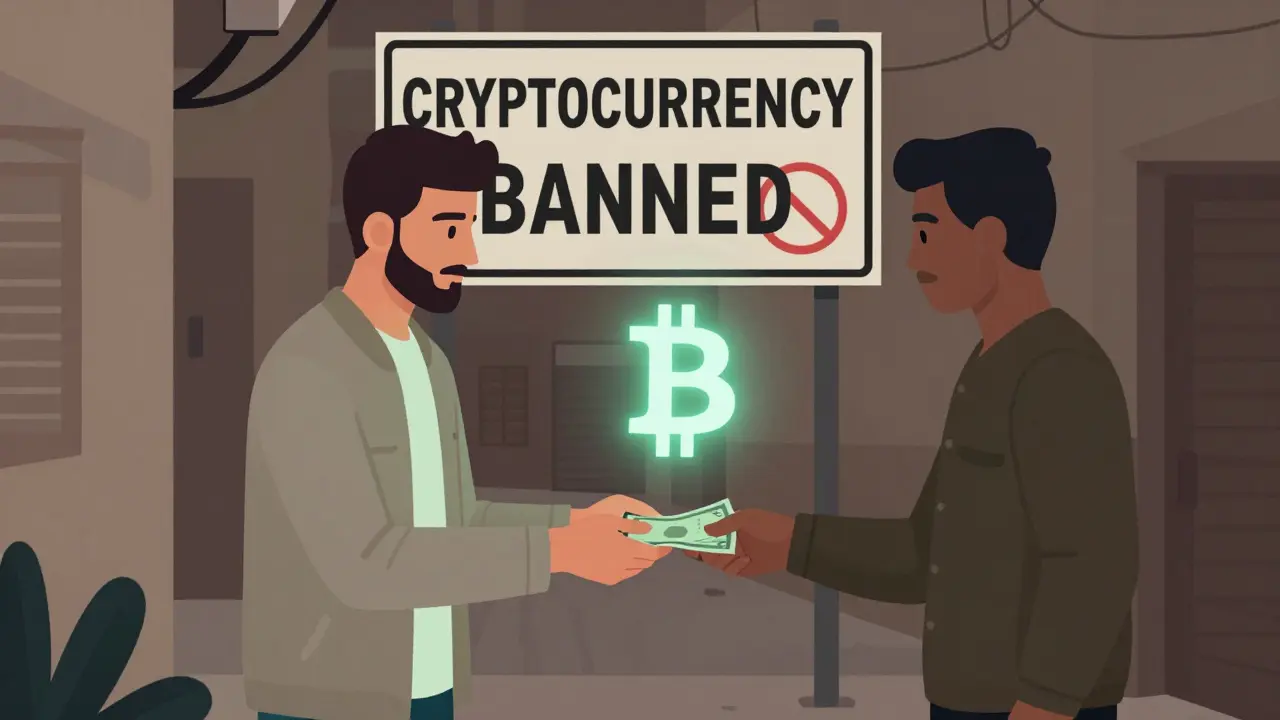
Central Bank of Iraq Crypto Restrictions: What You Need to Know in 2025
Iraq's Central Bank bans all cryptocurrency transactions, but crypto still moves underground. Learn why the ban exists, how it affects everyday people, and what the new state digital currency means for freedom and control.
Details +