Crypto Ban in Iraq: What’s Really Happening and What It Means for Users
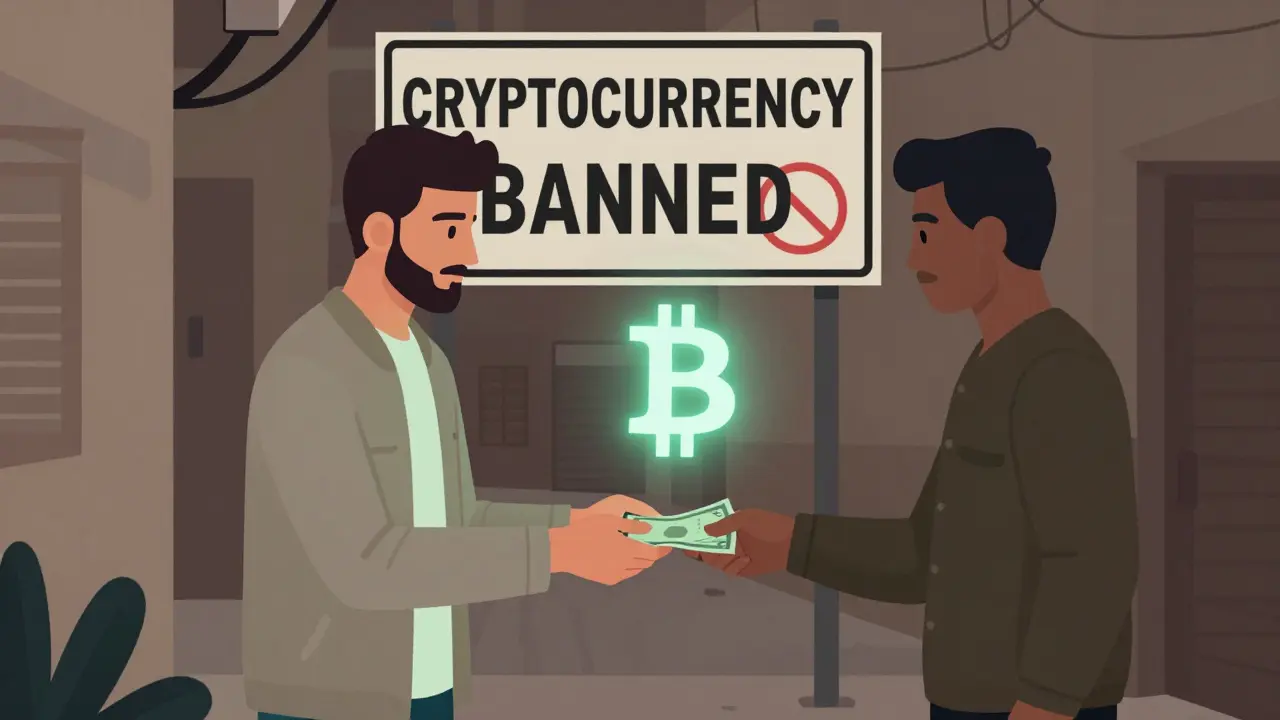
When Iraq officially banned cryptocurrency in 2021, it wasn’t just about controlling money—it was about controlling power. The crypto ban in Iraq, a government-imposed restriction on the use, trading, and mining of digital assets like Bitcoin and Ethereum. Also known as digital currency prohibition, it was framed as a move to protect the national currency and prevent money laundering. But in practice, it’s become a gray zone where people still trade, banks turn a blind eye, and the state struggles to enforce it. Unlike Russia or Venezuela, where crypto is tolerated under strict rules, Iraq’s ban is total on paper but patchy in real life.
This ban doesn’t exist in a vacuum. It’s tied to the Central Bank of Iraq, the government body responsible for regulating all financial activity, including foreign currency and digital assets. Also known as CBI, it has repeatedly warned that using crypto violates banking laws and could lead to criminal charges. But here’s the catch: millions of Iraqis use crypto anyway. Why? Because the Iraqi dinar is unstable, inflation is high, and traditional banks are slow, expensive, and often inaccessible outside major cities. Crypto offers a lifeline—especially for people sending money home from abroad or buying essentials when banks freeze accounts.
The Iraqi government, the national authority that issues regulations and enforces financial laws. Also known as state authorities, it has never clarified whether holding crypto is illegal or just using it for payments. That ambiguity is why you’ll find people trading on Telegram groups, using peer-to-peer platforms like Paxful, or even buying Bitcoin through local traders in Baghdad markets. Enforcement is rare. There are no public cases of people being jailed for owning crypto. But if you’re caught transferring large sums through unlicensed exchanges, your bank account could be frozen, or you could face fines under anti-money laundering rules.
It’s not just about the ban—it’s about what comes next. Iraq is developing its own digital currency, the digital dinar, which will be fully controlled by the central bank. That’s the real goal: replacing crypto with something the state can track, tax, and limit. Until then, crypto stays in the shadows. People aren’t breaking the law because they’re reckless—they’re doing it because they have no other choice.
What you’ll find in the posts below are real stories from people navigating this gray zone. You’ll see how users bypass restrictions, what tools they rely on, and how the lack of clear rules creates both danger and opportunity. There’s no official guide to crypto in Iraq—but there are people doing it anyway. And their experiences matter more than any government statement.
Central Bank of Iraq Crypto Restrictions: What You Need to Know in 2025
Iraq's Central Bank bans all cryptocurrency transactions, but crypto still moves underground. Learn why the ban exists, how it affects everyday people, and what the new state digital currency means for freedom and control.
Details +