Crypto Legality in Iraq: What You Can and Can't Do in 2025
When it comes to cryptocurrency in Iraq, a digital asset with no legal status but widespread informal use. Also known as digital currency, it exists in a space where the government hasn’t said yes, but also hasn’t said no—leaving users in a dangerous gray zone. Unlike countries with clear rules, Iraq hasn’t passed any law banning crypto, but it hasn’t approved it either. That means you won’t get arrested for holding Bitcoin, but your bank will freeze your account if they catch you sending it.
The real problem isn’t the tech—it’s the banks. Iraqi financial institutions follow strict Central Bank of Iraq rules that treat any crypto transaction as suspicious. Even if you buy ETH on Binance and send it to a wallet, your local bank might shut down your account for "unauthorized foreign transactions." This isn’t a rumor. In 2024, multiple users reported accounts frozen after just one crypto transfer. Meanwhile, the government is focused on the digital Iraqi dinar, a state-controlled electronic currency meant to replace cash. Also known as central bank digital currency, it’s the real priority—not Bitcoin or Ethereum. Crypto traders in Iraq are stuck between a lack of legal protection and zero consumer safeguards. There’s no tax guidance, no licensing for exchanges, and no way to report fraud. If you lose money in a scam, you have nowhere to turn.
Despite all this, crypto is still used. People in Baghdad, Basra, and Erbil use it to send money abroad, buy goods from international sellers, or protect savings from inflation. They rely on peer-to-peer platforms, VPNs, and cash-in-hand trades. Some even use Telegram groups to find buyers for USDT. But every move carries risk. One wrong transaction, one flagged bank transfer, and your entire financial life can be disrupted. The crypto regulations Iraq, a non-existent legal framework that leaves users exposed. Also known as crypto compliance rules, they simply don’t exist. What you’ll find in the posts below are real stories from Iraqi users, comparisons with other restricted markets like Syria and Venezuela, and practical tips on how to navigate this landscape without losing everything. No theory. No fluff. Just what’s actually happening on the ground—and how to stay safe while doing it.
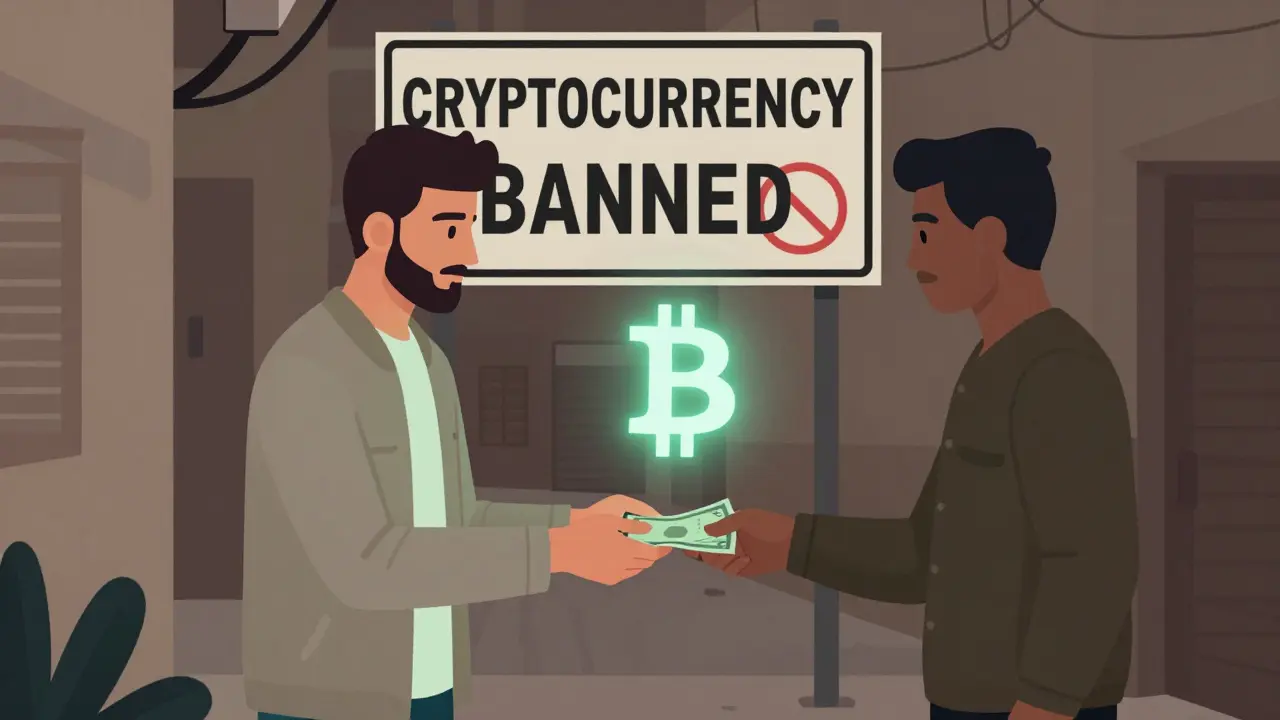
Central Bank of Iraq Crypto Restrictions: What You Need to Know in 2025
Iraq's Central Bank bans all cryptocurrency transactions, but crypto still moves underground. Learn why the ban exists, how it affects everyday people, and what the new state digital currency means for freedom and control.
Details +