ERC20 Token: What It Is, How It Works, and Why It Matters in Crypto
When you hear about a new crypto coin like ERC20 token, a standardized digital asset built on the Ethereum blockchain that lets different apps and wallets interact with it seamlessly. Also known as Ethereum token, it’s the reason you can send PMPY, vBTC, or ICOM to your MetaMask wallet without needing a custom app for each one. This isn’t magic—it’s code. ERC20 is a set of rules that every token must follow to play nice with Ethereum wallets, exchanges, and DeFi platforms. Without it, every new coin would be a separate island. With it, they’re all part of one big, connected economy.
Think of ERC20 like a universal USB port. Your phone, your laptop, your smartwatch—all use the same plug because they follow the same standard. Same with ERC20 tokens. Whether it’s a token for a blockchain game, a lending protocol, or a meme coin, if it’s ERC20, your wallet knows how to handle it. That’s why over 90% of tokens on Ethereum use this standard. It’s not about being the best—it’s about being compatible. And that’s powerful. Projects don’t need to build their own payment system from scratch. They just write the code to match ERC20, and boom—they’re live on Uniswap, MetaMask, and dozens of other tools.
But here’s the catch: being ERC20 doesn’t mean a token is safe, useful, or even real. Look at the posts below—you’ll see tokens like SEAT, SOLALA, and AVAXAI that are ERC20 but have no value, no team, and no future. ERC20 just means they’re built the right way technically. It doesn’t guarantee they’re worth anything. That’s on you to figure out. Some ERC20 tokens, like vBTC, let you earn interest on your Bitcoin. Others, like ICOM, are locked inside one company’s platform. And some? Just noise.
What ties all these posts together? They’re all about tokens built on Ethereum’s rules—but used in wildly different ways. Some are tools for finance. Others are scams. A few might be the next big thing. The common thread? They all follow the same ERC20 blueprint. That’s why understanding this standard isn’t just technical—it’s survival. If you’re buying, trading, or even just holding crypto, you need to know what ERC20 does, what it doesn’t do, and how to tell the difference between a real project and a ghost.
Below, you’ll find real-world breakdowns of tokens that use ERC20—some successful, some dead, some dangerous. You’ll see how they connect to DeFi, how they’re taxed, how they’re traded, and how to avoid getting burned. No fluff. Just what matters.
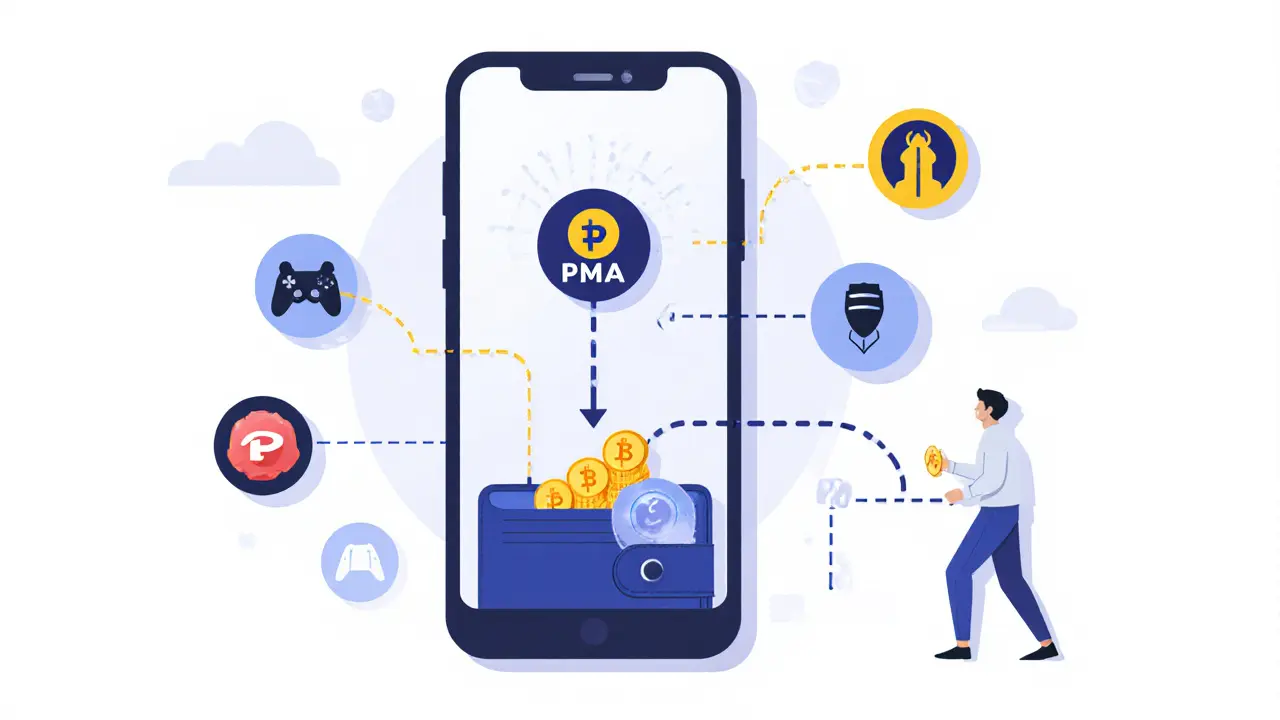
What is PumaPay (PMA) Crypto Coin? The Full Story Behind the Failed Payment Protocol
PumaPay (PMA) was a blockchain payment protocol designed for recurring crypto payments, targeting high-risk industries. Despite its innovative pull-payment model, it failed due to zero adoption, no merchant partnerships, and abandoned development. Today, it's a dead asset with 99.9% value loss.
Details +