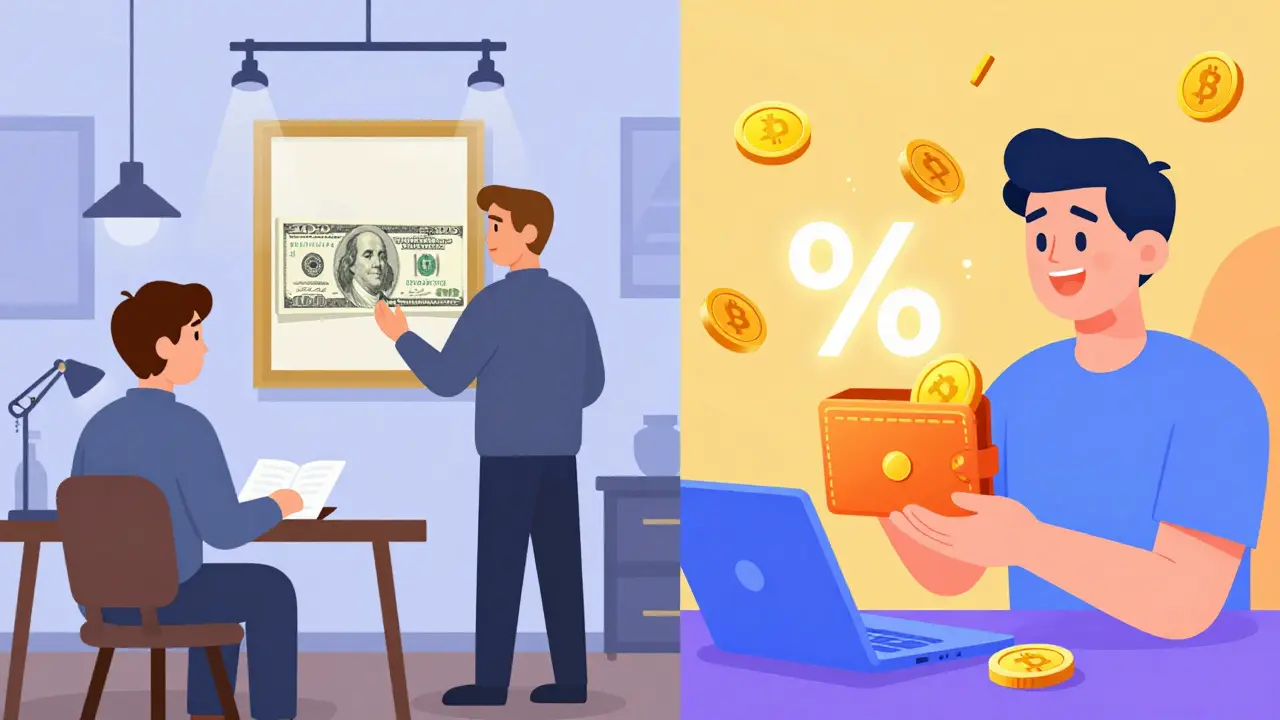
Imagine spending months painting a masterpiece, selling it for $100, and then watching a collector flip that same piece a year later for $10,000. In the traditional art world, you'd get nothing from that second sale. You'd simply watch from the sidelines as someone else profits from the value you created. This is exactly the problem that NFT royalties is a programmatic payment system that ensures original creators receive a percentage of the sale price whenever their digital asset is resold on a secondary market. It turns the traditional art economy on its head by giving artists a permanent stake in their work's future success.
The Basics: How Do NFT Royalties Actually Work?
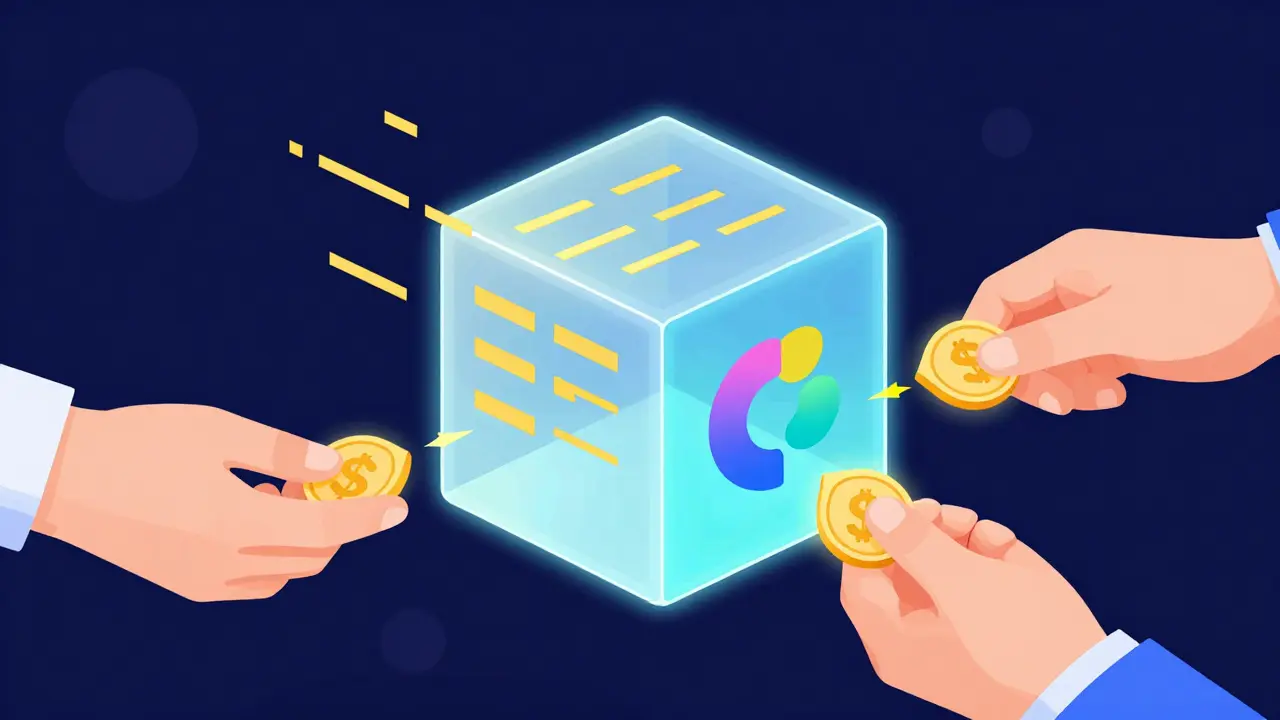
At their core, these royalties aren't managed by a lawyer or an accounting firm; they are handled by Smart Contracts. A smart contract is a self-executing piece of code that lives on a blockchain. When an artist "mints" an NFT, they embed a specific rule into this code: "Every time this token changes hands, send X% of the price to this specific wallet address."
The process is entirely automated. When a buyer hits the "buy" button on a marketplace, the smart contract instantly splits the payment. If a piece sells for 1 ETH and the royalty is set to 10%, the seller gets 0.9 ETH and the original creator gets 0.1 ETH immediately. There's no invoicing, no chasing down collectors, and no waiting for a check in the mail. It happens in the same block as the transaction itself.
| Feature | Traditional Art Market | NFT Royalty System |
|---|---|---|
| Initial Sale | Artist gets paid once | Artist gets paid once |
| Secondary Sales | Artist usually gets $0 | Artist gets a % of every sale |
| Enforcement | Manual/Legal contracts | Automated via Smart Contracts |
| Transparency | Private transactions | Publicly verifiable on-chain |
Real-World Impact: The Beeple Effect
To see the power of this system, look at digital artist Beeple. In February 2021, one of his works titled "Crossroads" was resold on the secondary market for a staggering $6.6 million. Because he had programmed a 10% royalty into his work, Beeple automatically received $660,000 from that single transaction.
In the pre-blockchain era, a windfall like that would have gone entirely to the investor who bought the piece early. Instead, the value appreciation of the art directly benefited the person who actually created it. This creates a massive incentive for artists to support their collectors and build long-term value in their brand, knowing that as the piece grows in prestige, their income grows with it.
The Tech Behind the Curtain
Most of this activity happens on Ethereum, though other networks like Solana or Polygon use similar logic. The royalty is defined during the minting process. The creator specifies a wallet address and a percentage (usually between 5% and 10%).
Because the Blockchain acts as a public ledger, every transaction is tracked. The marketplace reads the smart contract associated with the NFT, sees the royalty requirement, and executes the payment. This removes the need for trust between the buyer and the seller-the code is the law.
The Great Royalty Debate: Mandatory vs. Optional
It sounds like a perfect system, but there's a catch: the smart contract can't actually force a marketplace to pay. While the code says "pay 10%," the marketplace is the one that actually triggers the payment. Recently, several big platforms like OpenSea, LooksRare, and Magic Eden shifted toward "optional" royalties.
Why? Because traders wanted higher margins. If a trader can avoid a 10% fee, they are more likely to flip NFTs frequently, which increases the marketplace's trading volume. This created a "race to the bottom" where platforms competed to attract traders by letting them opt out of paying creators.
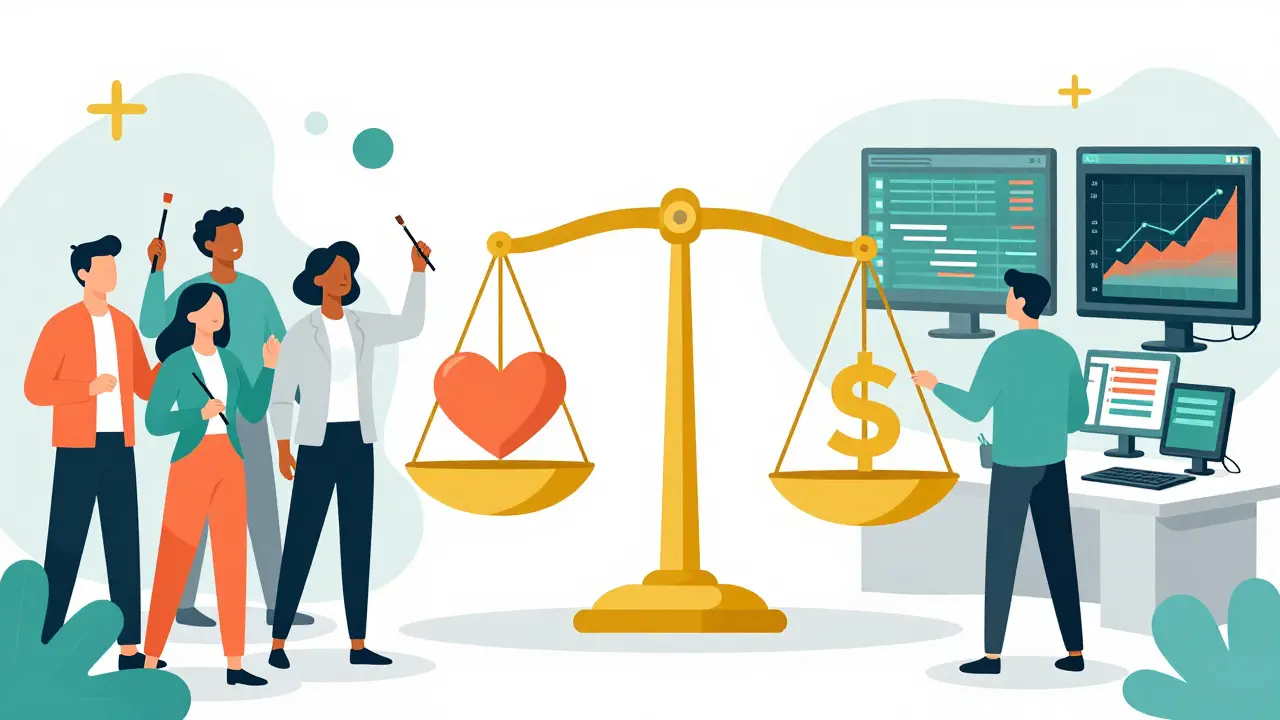
This has sparked an outcry from the community. Some creators have even used tools like ImmutableX to blacklist platforms that don't honor royalties. The conflict boils down to a clash between two Web3 philosophies: the desire for a free, competitive market for traders versus the goal of empowering creators through guaranteed income.
Legal Realities and the Future
From a legal standpoint, things get murky. Experts from firms like White & Case have pointed out that while smart contracts are great for moving money, they don't always align with existing intellectual property laws. In many countries, "resale rights" (known as Droit de Suite) exist for physical art, but digital assets are still a legal gray area.
Moving forward, we're seeing a shift toward more sophisticated enforcement. Some developers are building "royalty standards" that are harder for marketplaces to ignore, while others are moving toward a model where royalties are baked into the token's core logic rather than relying on the marketplace's good will. Whether this system survives depends on whether the industry decides that creator sustainability is more important than high-frequency trading volume.
Can I change my NFT royalty percentage after minting?
Generally, no. Once a smart contract is deployed to the blockchain, it is immutable, meaning it cannot be changed. However, some creators use "upgradable contracts" or specific royalty registries that allow them to update the percentage or the destination wallet, depending on the standard they used during minting.
Do I have to pay royalties if I'm the first buyer?
No. Royalties apply to "secondary sales." The first time an NFT is sold (the primary sale), the creator gets the full purchase price. Royalties only kick in when that first buyer sells the NFT to a second person, and so on.
What happens if I sell an NFT privately (off-marketplace)?
If you transfer an NFT directly from one wallet to another without using a marketplace, the royalty smart contract usually isn't triggered. This is one of the primary ways buyers and sellers avoid paying royalties, as the payment happens outside the controlled environment of a marketplace.
What is a typical royalty percentage?
Most creators set their royalties between 2.5% and 10%. While some set them higher, excessively high royalties can discourage traders from buying the work, potentially lowering the overall market value of the NFT.
Are royalties legal in all countries?
The legality of blockchain-based royalties is still evolving. While they are technically functional, they operate independently of traditional law. Some jurisdictions may recognize them under existing resale rights laws, while others view them simply as a contractual agreement between the creator and the marketplace.
Next Steps for Creators and Collectors
If you're a creator, don't just trust one platform. Diversify where your work is listed and look for marketplaces that explicitly support mandatory royalties. Read the fine print on the platform's terms of service to see how they handle the "opt-out" toggle for buyers.
For collectors, be aware that your choice to opt out of royalties can impact the long-term health of the artist's career. While saving 5-10% on a purchase feels like a win today, a thriving creator ecosystem usually leads to more valuable assets in the long run. If you want to support the people making the art, consider paying the royalty even if the platform makes it optional.
Leave a comments