
Managing a cryptocurrency portfolio used to mean staring at charts all day, manually swapping tokens when prices dipped, and hoping you didn’t miss a rebalance window. It was exhausting, expensive due to gas fees, and often inefficient for anyone without a team of traders. Enter Sommelier, a decentralized finance platform that automates this entire process. By using intelligent vaults called Cellars, Sommelier allows users to deposit assets and let sophisticated strategies manage them automatically.
If you are wondering what the SOMM token actually does or how this protocol keeps your funds safe while chasing yields across different blockchains, you have come to the right place. This guide breaks down the mechanics of Sommelier, its unique cross-chain architecture, and why the SOMM token matters in the broader ecosystem of automated DeFi.
How Sommelier Automates Your Investments
At its core, Sommelier is not just another lending pool where you deposit ETH and earn a static interest rate. It is an actively managed investment platform built on the Cosmos SDK. Think of it as a bridge between complex algorithmic trading strategies and everyday crypto users who want passive income without the technical headache.
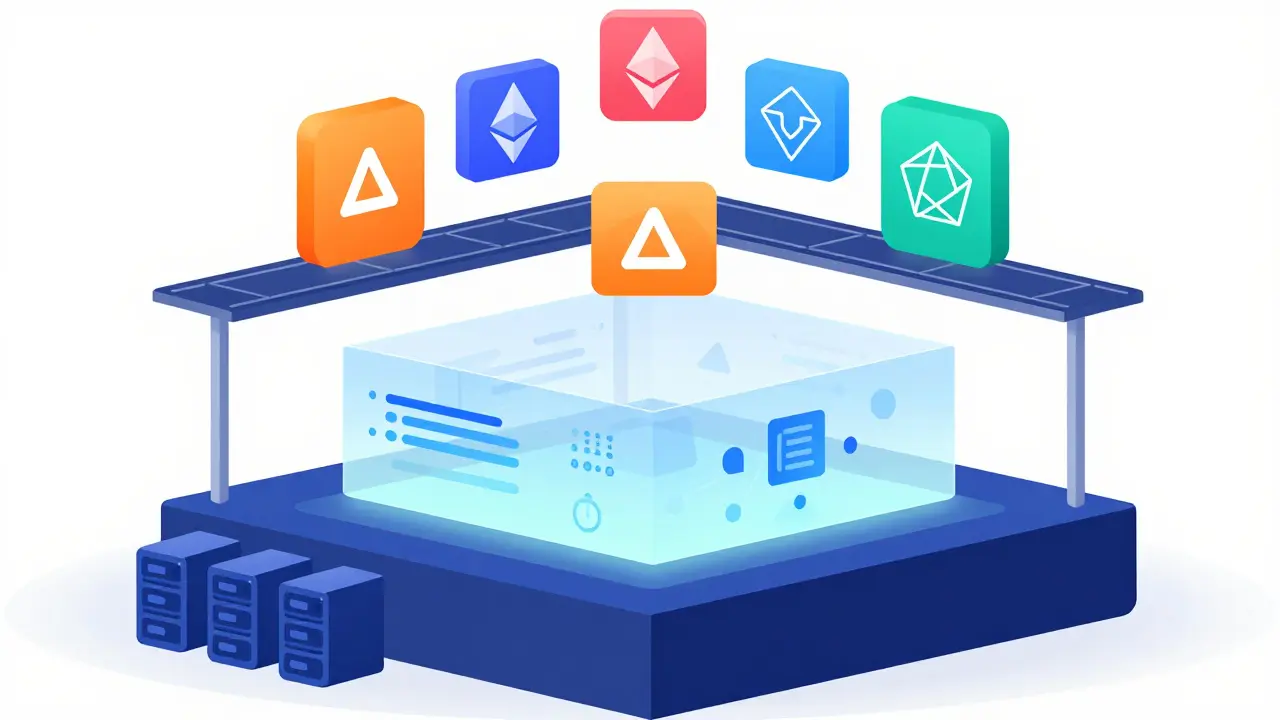
The heart of the system is the Cellar. A Cellar is a smart contract vault that holds user deposits. When you deposit assets into a Cellar, you are not just parking them; you are giving permission for a specific strategy to be executed on your behalf. These strategies might involve arbitrage opportunities, liquidity provision, or yield farming across multiple protocols. The key difference here is automation. In traditional DeFi, you have to monitor positions and move funds yourself. With Sommelier, the protocol handles the heavy lifting.
This automation relies on a three-layer architecture:
- The Decision Layer: The Sommelier blockchain itself, which validates decisions and ensures consensus.
- The Execution Layer: Off-chain environments where complex data modeling happens privately. This keeps proprietary trading strategies secret from competitors.
- The Bridge Layer: A secure connection to Ethereum and other networks, allowing the protocol to act on high-value markets without moving user principal assets across bridges unnecessarily.
The Role of Strategy Providers and Validators
You might ask, "Who creates these winning strategies?" That job falls to Strategy Providers (SPs). These are typically professional traders or quantitative analysts who develop algorithms to generate yield. They do not hold your money. Instead, they send recommended actions-like "buy this asset now" or "swap that token there"-to the network.
Before any action is taken, Sommelier Validators must reach consensus. These validators are nodes running the Sommelier network. They verify that the Strategy Provider’s recommendation is valid and within the rules set by the Cellar. Only after this consensus is reached does the transaction execute on-chain. This separation of duties is crucial for security. It prevents a single bad actor from draining a vault and ensures that only vetted, agreed-upon strategies are implemented.
This model aligns incentives perfectly. Strategy Providers want their strategies to succeed so they can build a reputation and potentially earn performance fees. Validators want the network to remain secure and efficient. And users, like you, get access to institutional-grade management tools without needing to code a single line of Solidity.
Why Cross-Chain Architecture Matters
One of the biggest pain points in DeFi has always been fragmentation. Assets sit on Ethereum, Polygon, Avalanche, and dozens of other chains, but moving them between these ecosystems is slow, risky, and costly. Sommelier addresses this through its innovative use of the Gravity Bridge.
Here is the critical detail: Sommelier never moves your actual deposited assets across the bridge. Instead, it sends instructions. If a strategy needs to execute a trade on Ethereum, the Sommelier chain sends a signal via the Gravity Bridge to trigger that action. Your assets stay in the Cellar on the destination chain, or are deployed directly there if needed, but the control signals travel securely across the network. This reduces the risk of bridge hacks affecting user principal and lowers gas costs significantly because transactions are batched and processed efficiently.
By leveraging the Cosmos SDK, Sommelier achieves high throughput and low latency compared to native Ethereum execution. This means strategies can react faster to market changes, capturing more yield and avoiding slippage. As the platform expands support to include chains like Polygon and Avalanche, the potential for diversified, cross-chain yield generation grows exponentially.
Understanding the SOMM Token Economics
The SOMM token is the fuel that powers this entire machine. Unlike many inflationary governance tokens that dilute holders over time, SOMM has a fixed total supply of 500 million tokens. This scarcity model is designed to preserve value as demand increases.
So, what can you actually do with SOMM?
- Staking for Security: You can stake SOMM to help secure the proof-of-stake blockchain. Stakers earn rewards derived from the real yield generated by the Cellars. This is a vital feature because it ties token value directly to protocol success rather than speculative issuance.
- Governance Voting: Holders vote on which new Cellars are admitted to the platform, how network resources are allocated, and other critical parameters. This gives the community direct control over the platform’s direction.
- Transaction Fees: Like most blockchain networks, certain operations require fee payments in the native token, ensuring network stability and preventing spam.
The economic model creates a positive feedback loop. As Cellars generate more yield, more SOMM is distributed to stakers. This incentivizes people to buy and stake SOMM, reducing circulating supply and increasing demand. If the platform succeeds in attracting significant Total Value Locked (TVL), the utility and perceived value of the token should theoretically rise alongside it.
Security and Non-Custodial Design
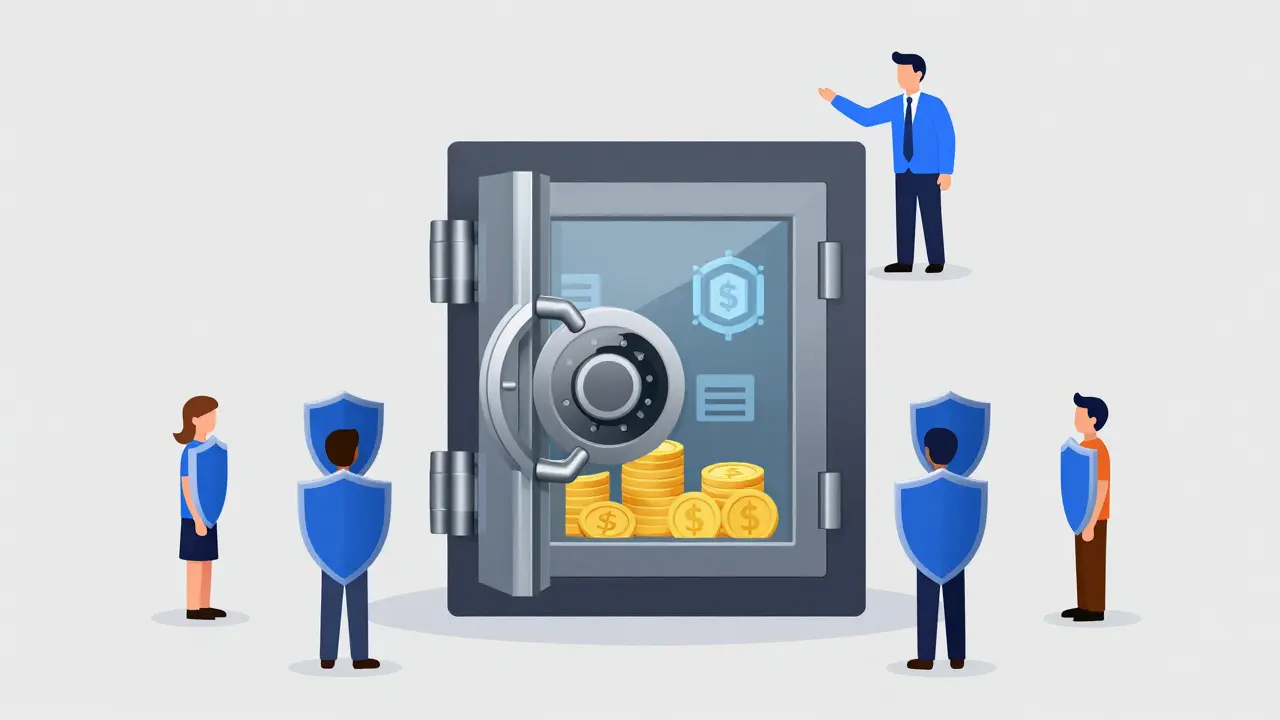
In the world of DeFi, trust is earned through code, not promises. Sommelier emphasizes a non-custodial design. This means that at no point does a central entity, or even the Strategy Providers, have ownership of your deposited assets. The smart contracts hold the funds, and you retain the ability to withdraw your share of the Cellar at any time, subject to the strategy’s lock-up periods if applicable.
Security is further reinforced by the decentralized validator set. Because multiple independent validators must agree on every rebalancing action, it becomes extremely difficult for malicious actors to manipulate the system. Additionally, the off-chain execution environment ensures that sensitive strategy details remain private, protecting the intellectual property of Strategy Providers and preventing front-running by competitors.
However, users should always conduct their own due diligence. While the architecture is robust, interacting with any DeFi protocol carries inherent risks, including smart contract vulnerabilities and market volatility. Always start with small amounts and understand the specific risks associated with each Cellar you choose to invest in.
| Feature | Sommelier | Traditional Manual DeFi |
|---|---|---|
| Management Style | Automated via Cellars | Manual user intervention required |
| Custody | Non-custodial (Smart Contracts) | Non-custodial (User Wallet) |
| Strategy Complexity | High (Off-chain modeling) | Low to Medium (Limited by user skill) |
| Cross-Chain Capability | Native via Gravity Bridge | Requires manual bridging |
| Token Supply | Fixed (500 Million) | Varies (Often Inflationary) |
Current Market Context and Performance
As of late May 2026, the cryptocurrency market continues to evolve rapidly. Sommelier has seen various price fluctuations since its inception, reflecting both general market trends and specific developments within the protocol. The token reached an all-time high of $0.42 in early 2023, driven by hype around active yield management solutions. Since then, like many altcoins, it has experienced corrections.
Recent data indicates trading volumes and price points vary across exchanges, with some platforms reporting minor daily gains while others show stagnation. This variance highlights the importance of checking multiple sources for accurate pricing. What matters more for long-term investors is the protocol’s Total Value Locked (TVL) and the consistency of yield generation in its Cellars. A growing TVL suggests increasing confidence from users and Strategy Providers alike.
For those considering entering the space, the focus should be on the utility of the SOMM token and the performance of the underlying strategies rather than short-term price speculation. The fixed supply model offers a degree of predictability that inflationary tokens lack, making it an interesting case study in sustainable DeFi economics.
Getting Started with Sommelier
If you are ready to explore Sommelier, the first step is acquiring SOMM tokens from a reputable exchange. Once you have the tokens, you can connect your wallet to the Sommelier interface. From there, you can browse available Cellars, review their historical performance, and decide which strategies align with your risk tolerance.
Remember, higher yields often come with higher risks. A Cellar focused on aggressive arbitrage may offer better returns but could also suffer greater losses during volatile market conditions. Conversely, a conservative stablecoin-focused Cellar might provide lower but steadier income. Diversification across different Cellars can help mitigate individual strategy failures.
Finally, consider participating in governance. Even if you do not plan to stake large amounts, voting on proposals helps shape the future of the platform. An engaged community is one of the strongest indicators of a healthy, long-lasting DeFi project.
Is Sommelier safe to use?
Sommelier employs a non-custodial architecture with decentralized validators and smart contract safeguards, enhancing security. However, like all DeFi protocols, it carries risks such as smart contract bugs or market volatility. Users should always conduct thorough research and start with small amounts.
What is the maximum supply of SOMM tokens?
The SOMM token has a fixed maximum supply of 500 million tokens. This non-inflationary model is designed to create scarcity and align token value with protocol success.
How do Cellars generate yield?
Cellars generate yield by executing automated trading strategies developed by Strategy Providers. These strategies may include arbitrage, liquidity provision, or yield farming across various DeFi protocols, managed automatically by the Sommelier network.
Can I withdraw my funds from a Cellar at any time?
Yes, Sommelier is non-custodial, meaning you retain ownership of your assets. You can generally withdraw your share of a Cellar at any time, though specific strategies may have lock-up periods or cooldown times to ensure smooth execution.
Which blockchains does Sommelier support?
Sommelier is built on the Cosmos SDK and primarily interacts with Ethereum via the Gravity Bridge. It is expanding support to other EVM-compatible chains like Polygon and Avalanche to broaden strategy options and reduce costs.
Do I need to be a trader to use Sommelier?
No, Sommelier is designed for passive investors. The platform automates complex trading strategies, allowing users to benefit from professional management without needing technical expertise or constant monitoring.
How are SOMM staking rewards calculated?
Staking rewards are tied to the real yield generated by the Cellars. A portion of the profits made by successful strategies is distributed to SOMM stakers, creating a direct link between protocol performance and token holder benefits.
What is the role of Strategy Providers?
Strategy Providers are experts who develop and propose trading algorithms for Cellars. They do not hold user funds but send recommendations to validators, who execute them if consensus is reached.
Leave a comments