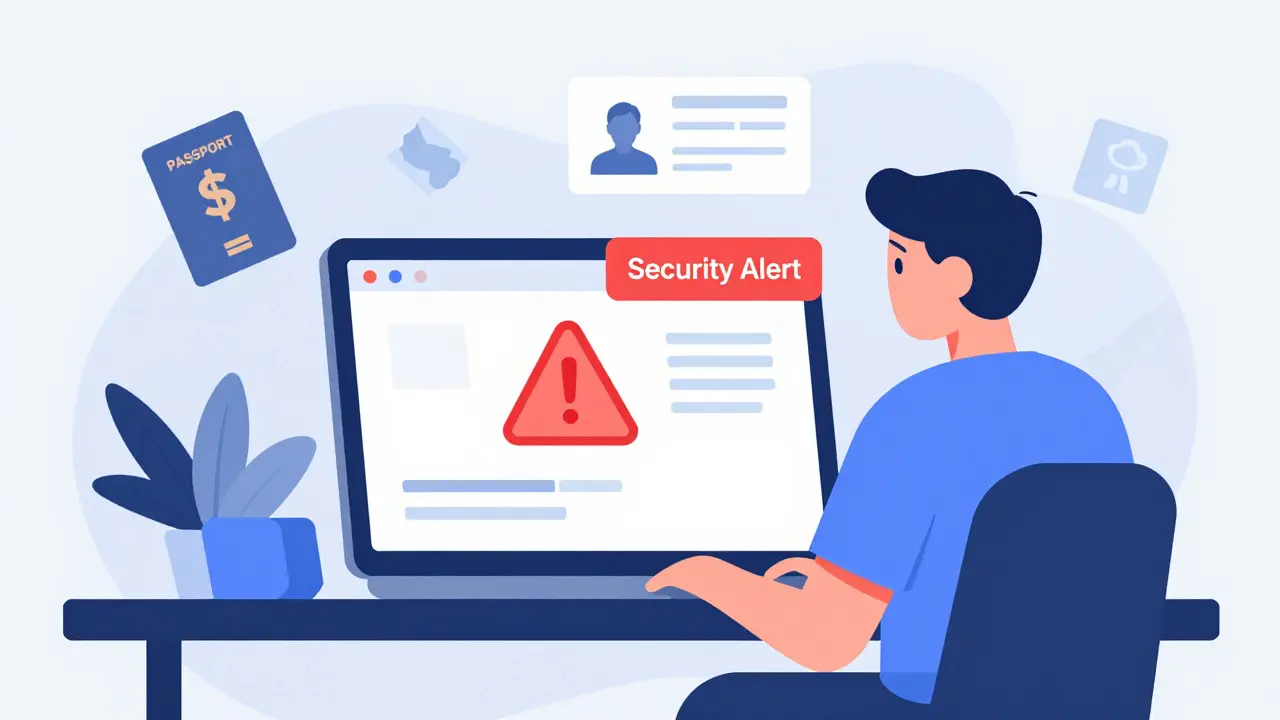
Imagine logging into your favorite crypto platform to check your portfolio, only to find out your passport and driver’s license have been leaked online. This isn’t a hypothetical nightmare scenario; it is exactly what happened with AlphaEx, a cryptocurrency exchange that has become a major cautionary tale in the digital asset world. If you are searching for an "AlphaEx crypto exchange review" in 2026, the answer is simple but urgent: stay away. The platform is widely considered defunct due to a catastrophic security breach, and any current website bearing its name raises serious red flags.
You might be wondering why this matters if you never used the platform. Well, understanding how AlphaEx failed helps you spot dangerous patterns in other exchanges. More importantly, if you were ever a customer there, you need to know the risks hanging over your head right now. Let's break down what went wrong, what the current situation looks like, and how you can protect yourself from similar threats.
The Reality of AlphaEx Today
To give you the short version: AlphaEx as a trusted trading platform no longer exists. In early 2024, the exchange suffered a massive data breach caused by a basic configuration error. This mistake exposed sensitive identity documents-including passports, driver’s licenses, and proof of age-for thousands of users. According to reports from IDCARE, an identity support service, the breach specifically impacted hundreds of Australian and New Zealand citizens.
Here is where it gets tricky. If you visit the domain alphaex.net today, you will see a website claiming to operate as a Bitcoin and digital asset exchange powered by the XDC Protocol. They talk about using "cutting-edge information security technologies." But do not let the shiny new design fool you. Security experts and industry analysts view this site with extreme skepticism. It appears to be either a rebranded attempt to distance itself from past failures or, more likely, a malicious site capitalizing on the former exchange's name. There is no transparency about corporate ownership, no mention of the previous security incident, and no public audit history. In the crypto world, silence on security issues is usually a loud warning signal.
How the Security Breach Happened
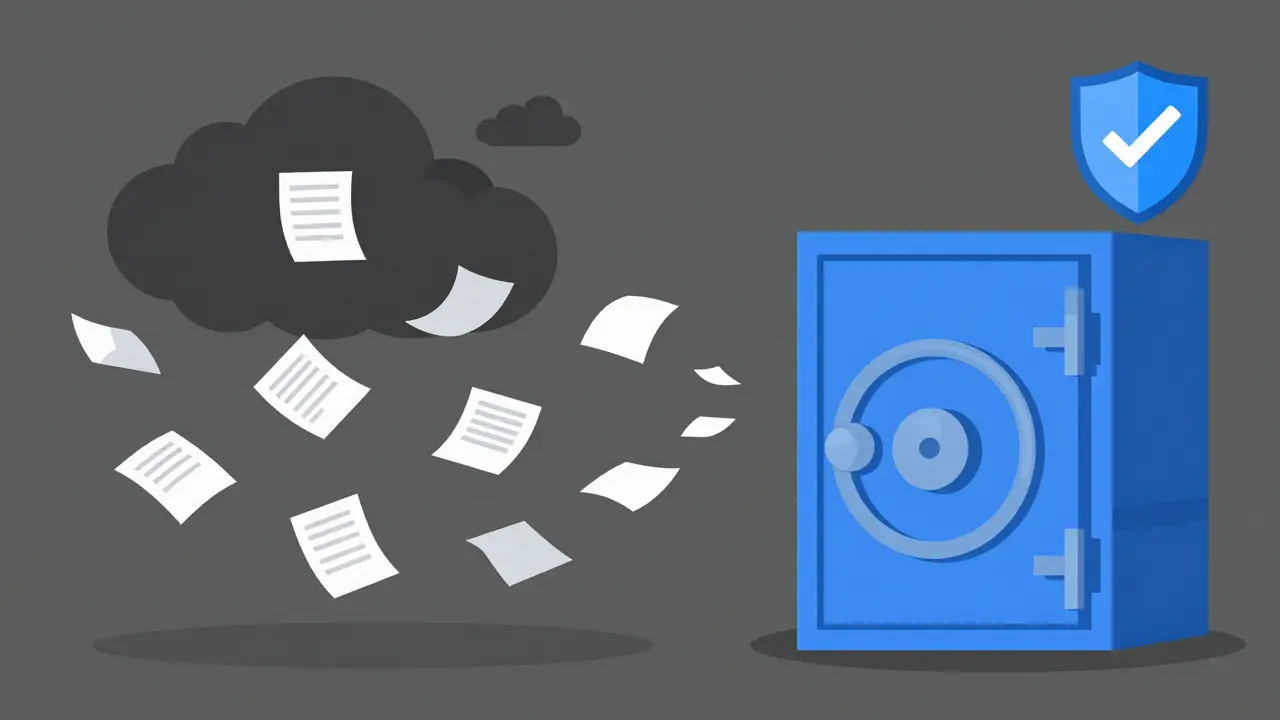
Let's look at the technical side without getting too bogged down in jargon. The core issue was a misconfiguration that left customer identity verification (KYC) documents publicly accessible. For context, when you sign up for a legitimate exchange, you upload photos of your ID to prove who you are. These files should be encrypted, stored securely, and accessible only to authorized personnel. At AlphaEx, these files were essentially left on an open shelf.
This failure violates the most basic principles of data protection. Industry standards, such as those outlined by the Cloud Security Alliance, require exchanges to encrypt sensitive data both at rest and in transit. AlphaEx did neither properly. To put this in perspective, top-tier exchanges like Coinbase use nine layers of security, including biometric authentication and 24/7 monitoring. AlphaEx lacked even the first layer of defense.
Why does this matter to you? Because exposing identity documents is far worse than losing crypto funds. If someone steals your Bitcoin wallet key, they take your money. If they steal your passport scan, they can impersonate you, open bank accounts in your name, and commit fraud that takes months to fix. IDCARE warned affected users to take "urgent measures to protect their identity," highlighting the severity of the threat.
| Feature | AlphaEx (Pre-Breach) | Top-Tier Exchanges (e.g., Coinbase, Kraken) |
|---|---|---|
| Data Encryption | Inadequate / Misconfigured | End-to-end encryption at rest and in transit |
| KYC Document Storage | Exposed via misconfiguration | Secure, isolated storage with strict access controls |
| Security Audits | No public evidence of regular audits | Bi-annual independent third-party audits |
| Regulatory Compliance | Non-compliant with MiCA/AUSTRAC standards | Fully compliant with local and global regulations |
| User Trust Status | Defunct / High Risk | High / Established |
Red Flags You Should Never Ignore
If you are evaluating any crypto exchange, AlphaEx serves as a perfect checklist of what to avoid. Here are the specific warning signs that indicate a platform might be unsafe:
- Lack of Transparency: Legitimate exchanges prominently display their security certifications, compliance licenses, and team members. AlphaEx’s current site lacks all of this. If you cannot find who owns the company, run.
- Absence from Regulatory Registers: In Australia, legitimate exchanges must appear on ASIC’s Digital Currency Exchange Register. AlphaEx is notably absent. Similarly, under the EU’s MiCA regulations, providers must demonstrate effective security mechanisms. AlphaEx fails to meet these basic criteria.
- Poor Customer Support History: Archived reviews from 2022-2023 mentioned slow support and verification processes taking over two weeks. While not a direct security flaw, operational inefficiency often correlates with poor internal controls.
- No Public Audit Reports: Secure exchanges publish summaries of their security audits. AlphaEx has no record of independent security reviews, suggesting either nonexistent or ineffective auditing processes.
What To Do If You Were an AlphaEx User
If you signed up for AlphaEx in the past, you need to act immediately. The exposure of your identity documents means you are at high risk for identity theft and targeted phishing attacks. Experts estimate that affected individuals spend 8-12 hours addressing these concerns, so starting early saves you time and stress.
- Place Fraud Alerts: Contact credit bureaus like Equifax, Experian, and TransUnion. In Australia and New Zealand, you can place renewable 90-day fraud alerts on your file. This makes it harder for criminals to open new accounts in your name.
- Change Passwords Everywhere: Did you use the same password for AlphaEx as you do for your email or bank? Change them now. Use a unique, strong password for every account. A password manager can help you generate and store these securely.
- Monitor Your Accounts: Keep a close eye on your bank statements and credit card transactions. Look for small, unauthorized charges that might indicate testing by fraudsters.
- Beware of Phishing: Criminals with your ID details can craft highly convincing fake emails. If you receive an email claiming to be from a government agency or bank asking for personal info, verify it through official channels before clicking anything.
- Freeze Your Credit: Consider freezing your credit report entirely. This prevents new lines of credit from being opened without your explicit permission.
Choosing a Safer Alternative
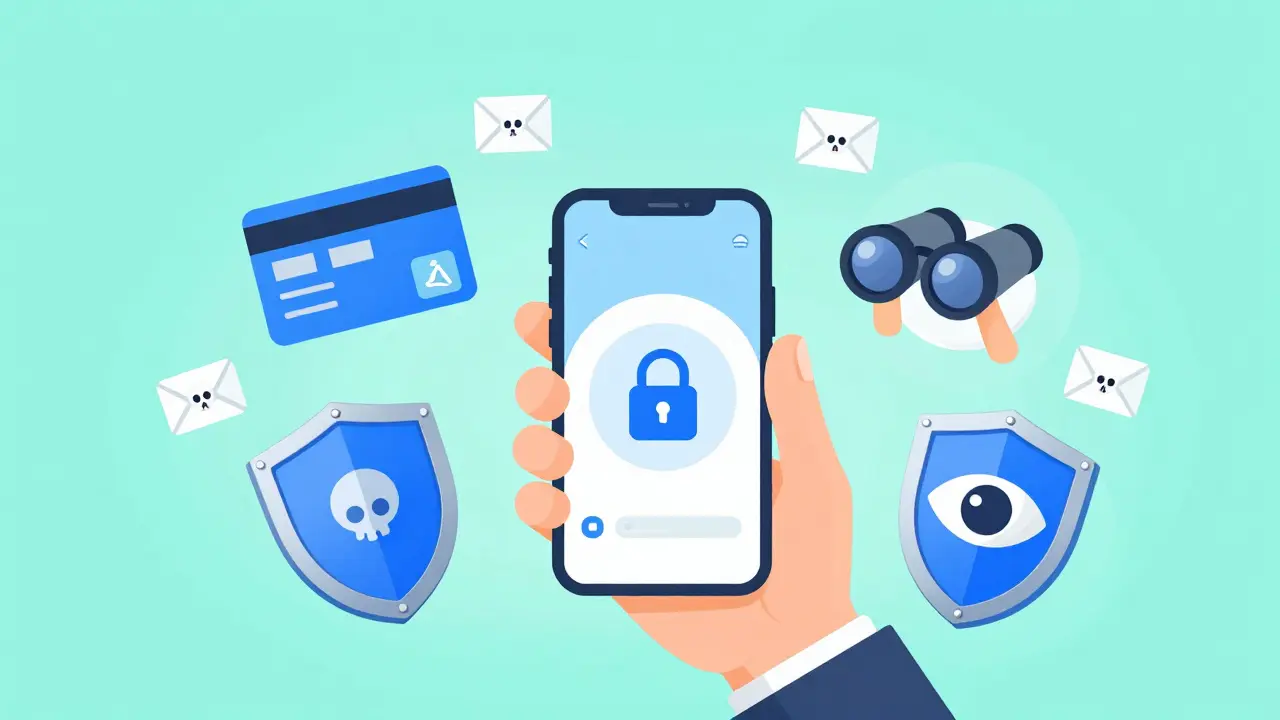
Leaving a compromised exchange behind is step one. Step two is finding a platform that actually prioritizes your safety. When looking for a new home for your crypto, focus on these three pillars:
Regulatory Compliance: Stick to exchanges licensed in reputable jurisdictions. In the US, look for FinCEN registration. In Europe, ensure they comply with MiCA. In Australia, check ASIC’s register. These regulations force exchanges to maintain higher security standards.
Proven Security Track Record: Look for platforms that publish regular security audits. Companies like Binance, Coinbase, and Kraken have invested heavily in infrastructure. They keep less than 5% of assets in hot wallets (connected to the internet) and store the rest in cold storage (offline), making large-scale theft nearly impossible.
Transparency: The best exchanges tell you exactly how they protect your data. They explain their KYC procedures, their insurance coverage, and their disaster recovery plans. If the security page is vague or missing, choose a different exchange.
Why This Matters for the Future of Crypto
The fall of AlphaEx is not just an isolated incident; it reflects a broader trend. In 2023 alone, $3.68 billion was stolen from cryptocurrency platforms, with a significant portion involving compromised user data. Regulators are responding. AUSTRAC implemented enhanced data protection requirements in July 2024, mandating quarterly security audits for all registered exchanges. The EU’s MiCA regulation, fully effective by late 2024, requires comprehensive data protection impact assessments.
These changes mean that sloppy operators like AlphaEx will increasingly be shut down or forced to adapt. As a user, this is good news. It pushes the industry toward higher standards. However, it also means you need to be vigilant. Not every exchange will adapt quickly enough, and some may try to hide their vulnerabilities behind marketing fluff.
Remember, in crypto, trust is earned through transparency and proven security, not flashy websites. By understanding what went wrong with AlphaEx, you are better equipped to protect your digital assets and your personal identity in the years to come.
Is AlphaEx still operational in 2026?
No, AlphaEx is considered defunct following a major security breach in 2024. While the domain alphaex.net exists, it lacks transparency and regulatory compliance, making it highly risky and likely illegitimate.
Did AlphaEx hack my personal data?
Yes, a misconfiguration exposed identity documents such as passports and driver’s licenses for thousands of users, primarily in Australia and New Zealand. This was not a targeted hack but a severe failure in data protection protocols.
What should I do if I was an AlphaEx customer?
You should place fraud alerts with credit bureaus, change all passwords associated with your email, monitor your bank accounts for suspicious activity, and consider freezing your credit to prevent identity theft.
Is the current alphaex.net website safe to use?
Security experts strongly advise against using the current alphaex.net website. It lacks regulatory registration, public security audits, and transparency regarding its connection to the former breached entity, posing significant risks to users.
Which crypto exchanges are safer alternatives?
Reputable alternatives include Coinbase, Kraken, and Binance, which offer robust security features, regulatory compliance, and transparent audit histories. Always verify an exchange’s license status in your jurisdiction before depositing funds.
Linda Hilliard
9 07 26 / 23:27 PMThe sheer incompetence required to leave KYC documents on an open S3 bucket is frankly embarrassing for anyone claiming to be in the fintech space. It's not just a 'mistake'; it's a fundamental failure of basic security hygiene that suggests a complete lack of competent engineering oversight. 🙄
Tuan Nguyen
10 07 26 / 20:53 PMTypical. Another exchange promising 'cutting-edge' tech while running infrastructure that belongs in the dial-up era. The current alphaex.net site is clearly a shell company trying to scrape whatever residual value they can from the brand name before regulators shut them down completely.
DJ Maleko
10 07 26 / 23:33 PMLol, people are still falling for this? 😂 If you gave your passport scan to AlphaEx, you basically handed a key to your house to a stranger. Good luck fixing your credit score now, idiots. Should have used cold storage and never uploaded docs in the first place. 🤡💸
Josephine Finlayson
12 07 26 / 09:53 AMI am so sorry to hear about this situation; it is truly distressing! 😟 As someone from Australia, I can confirm that IDCARE has been incredibly helpful with these types of breaches. Please do make sure to freeze your credit immediately if you haven't already done so!
Russ Fincham
14 07 26 / 01:12 AMLook, I don't care about the drama. The fact remains that MiCA regulations in Europe are going to crush operators like this who cut corners. In the US, we're still playing catch-up with the SEC, but exchanges need to step up their game or get out of the business entirely.
Deep Rahman
15 07 26 / 03:15 AMWhen we look at the philosophical implications of digital identity, we see that trusting a centralized entity with our most sensitive personal information is a fundamental error in human reasoning because it places too much power in the hands of fallible corporations who often prioritize profit over protection which leads to inevitable failures like this one where our privacy is violated without our consent or knowledge.
Kristine Lawson
15 07 26 / 05:40 AMIt is quite astonishing how many individuals continue to utilize platforms that lack even the most rudimentary security protocols; one would think that after repeated warnings, users would exercise greater diligence in verifying the regulatory status of any financial institution before entrusting them with sensitive data.
Erika Pozzetto
17 07 26 / 03:36 AMi agree with the points made here regarding the importance of regulatory compliance and i believe that it is crucial for all users to understand the risks associated with unregulated exchanges as the lack of transparency can lead to significant financial and personal losses which is why we must advocate for stricter laws and better enforcement mechanisms to protect consumers in the digital age
Autumn Story
17 07 26 / 04:32 AMOh my gosh, this is such a scary story!! 😱 But hey, at least we learned something right?? Just remember to always double check everything and stay safe out there everyone!!! 💖✨
Hazel Fruitman
17 07 26 / 22:30 PMits just crazy how these companies keep getting away with it until its too late. i hope everyone affected gets some compensation but doubt it will happen. just another day in crypto land where nobody cares about ur safety lol
Winston Lacewing
19 07 26 / 16:51 PMThis is absolutely outrageous!! 😡 How dare they expose our private information like that?? It’s a violation of every moral principle and I demand immediate action against these criminals!! They should be in jail, not hiding behind a new website!! 👿🔥
Drew M
20 07 26 / 14:30 PMFolks, let’s keep it real. This isn’t just bad luck; it’s bad management. 📉 If you’re still holding onto tokens on shady exchanges, you’re setting yourself up for failure. Move to Coinbase or Kraken. Trust me, your future self will thank you. 🚀💎
Jessie Smith
21 07 26 / 06:43 AMthe whole concept of KYC is flawed anyway. why do we need to give our ids to random servers? decentralization was supposed to fix this but instead we got more centralization and worse security. ironic much? 😒
Tawny Holmes
21 07 26 / 20:34 PMFreeze your credit. Now.
Melissa Beckwith
23 07 26 / 05:23 AMI have been following this case closely and it seems that the lack of independent audits is the primary issue here because without third-party verification, there is no way to ensure that the security measures claimed by the exchange are actually implemented or effective which leaves users vulnerable to exploitation by malicious actors who take advantage of these weaknesses for their own gain.