Crypto Regulation: What’s Legal, What’s Banned, and How It Affects You
When you hold cryptocurrency, you’re not just managing a digital asset—you’re navigating a patchwork of crypto regulation, government rules that determine whether you can own, trade, or use digital currencies legally. Also known as digital asset regulations, it’s the invisible framework that decides if your Bitcoin is a safe investment or a legal risk. This isn’t theory. In 2025, over 100 countries now require you to report crypto transactions to tax authorities, and in places like Russia and India, your bank can freeze your account if you don’t follow the rules.
It’s not just about taxes. crypto tax reporting, the system that tracks your buys, sells, and staking rewards for government compliance. Also known as CARF and DAC8, it’s now mandatory in places like Canada, the U.S., and Australia. If you traded ETH last year or earned staking rewards from Lido, that’s income. Miss it, and you could face penalties. Meanwhile, in Venezuela and Syria, the problem isn’t taxes—it’s survival. State control over mining and U.S. sanctions have turned simple crypto access into a legal gray zone. People still mine in Venezuela despite blackouts. Syrians still try to send crypto, even when banks freeze their accounts over OFAC designations.
And it’s not just governments. crypto ban, when a country outright prohibits crypto use, trading, or mining. Also known as digital currency restrictions, it’s happening in places where the state wants total control over money. Russia lets qualified investors trade crypto internationally but bans domestic use—because their real goal isn’t Bitcoin, it’s the digital ruble. India doesn’t ban crypto, but banks routinely shut down accounts unless you prove you paid the 30% tax and followed FIU-IND rules. Argentina lets you hold crypto, but high inflation and banking limits make it a necessity, not a choice.
What you’ll find below isn’t a list of headlines. It’s real-world stories from people caught in these rules. You’ll see how a failed airdrop in Indonesia ties to OJK licensing, how a crypto exchange in Russia works because it’s designed for offshore traders, and why a DeFi token with no liquidity still exists because no one shut it down legally. These aren’t abstract concepts—they’re daily realities for thousands of users. Whether you’re trading on BIT.com, staking ETH with Lido, or just trying to cash out in India, the rules are already affecting you. The question isn’t whether regulation matters—it’s whether you’re ready for what comes next.
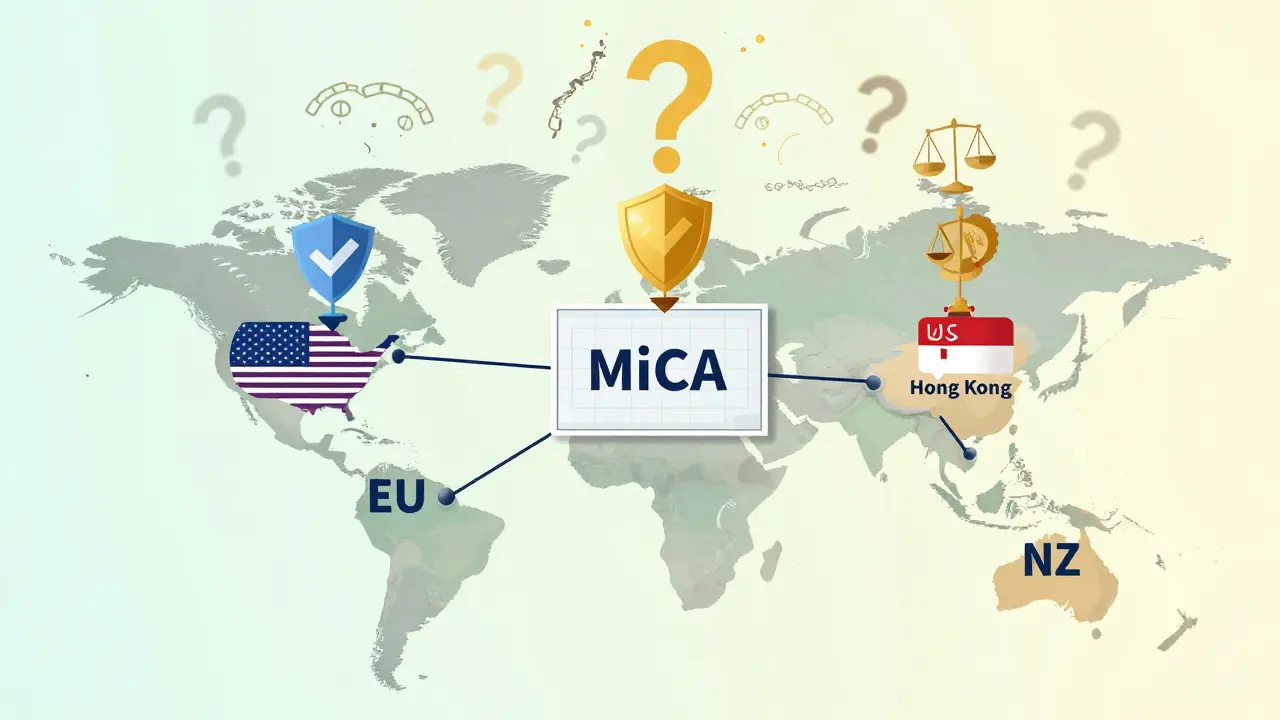
Global Crypto Regulatory Convergence Trends: How Nations Are Aligning Digital Asset Rules
Global crypto regulation is finally aligning. MiCA, the EU's landmark framework, is shaping rules worldwide. Stablecoins, exchanges, and issuers now face consistent standards, driving institutional investment and market stability.
Details +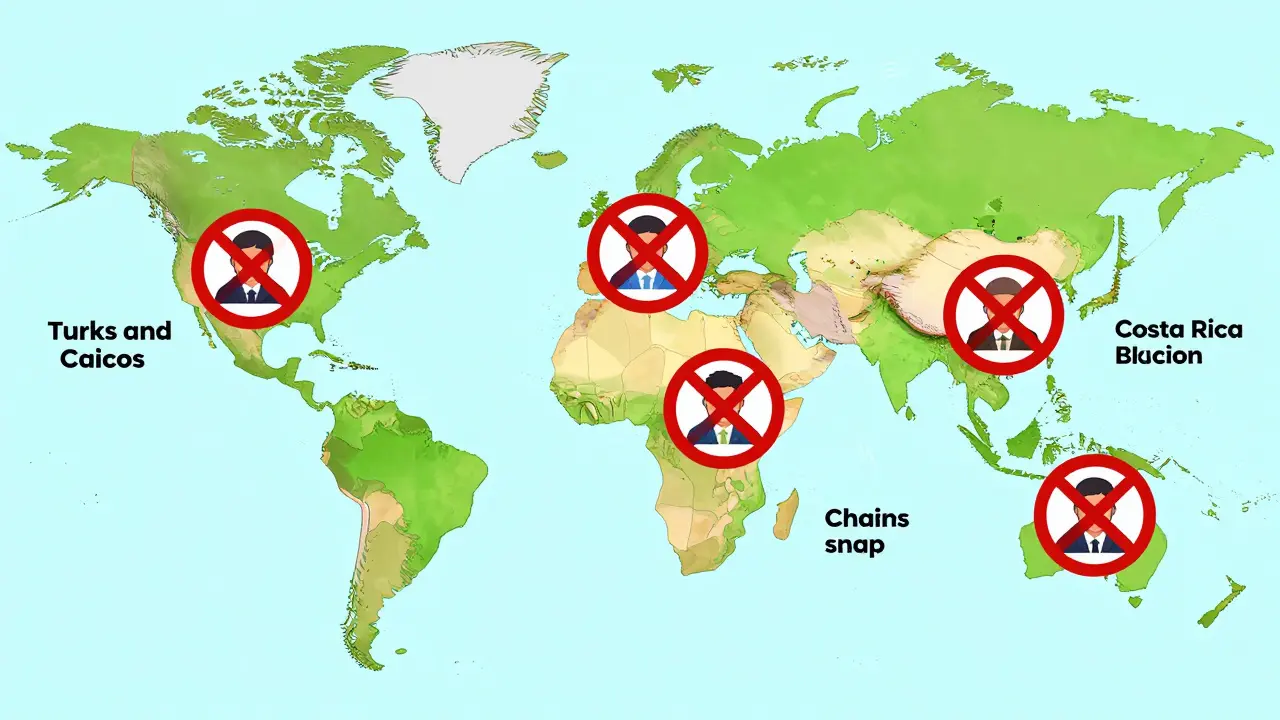
No-KYC Crypto Exchange Shutdowns by Authorities: What Happened and Why It Matters
No-KYC crypto exchanges are being shut down globally as regulators crack down on unverified platforms. Learn why KYC compliance is now mandatory, how major exchanges like KuCoin were forced to relocate, and what this means for your crypto safety.
Details +
SEC Crypto Enforcement: How $4.68 Billion in Fines Changed the Industry
The SEC fined crypto companies $4.68 billion in 2024 - mostly from one case. But after a leadership change, enforcement shifted from punishing technical violations to targeting fraud. Here's what it means for crypto today.
Details +
Legal Gray Area for Cryptocurrency in Costa Rica: What You Need to Know in 2025
Costa Rica's crypto scene thrives in a legal gray zone: no ban, no license, but new AML rules are coming. Learn what's allowed, who's operating there, and how to stay safe before regulations change.
Details +