Blockchain: What It Is, How It Powers DeFi, and Where to Trade Now
When you hear Blockchain, a public, tamper-proof digital ledger that records transactions across many computers without a central authority. Also known as distributed ledger technology, it’s the reason you can send crypto directly to someone without a bank. This isn’t just tech jargon—it’s the foundation for everything from peer-to-peer payments to automated financial contracts.
Smart contracts, self-executing code that runs on a blockchain when conditions are met make things like lending, trading, and insurance possible without middlemen. And when these contracts connect together—like Lego blocks—that’s called DeFi composability, the ability for decentralized finance protocols to interact and build on top of each other. This is what lets you borrow crypto on one platform, stake it on another, and earn yield on a third—all in one flow. But it also means one broken contract can ripple through the whole system.
That’s why choosing the right tools matters. Not every exchange is built the same. Some, like decentralized exchange, a peer-to-peer platform for swapping crypto without a central operator, let you trade directly from your wallet. Others are locked inside apps with limited options. In 2025, you don’t want to be stuck on a DEX with two trading pairs and no fiat support. Or one that doesn’t even let you move beyond Ethereum. You need options that match your goals—whether you’re avoiding gas fees, chasing yields, or just swapping tokens without leaving your wallet.
What you’ll find below aren’t just reviews. They’re real-world checks on what’s actually working right now. From feeless swaps on IOTA’s EVM to the hidden limits of built-in wallet trading, these posts cut through the hype. You’ll see exactly where blockchain is delivering value—and where it’s falling short.
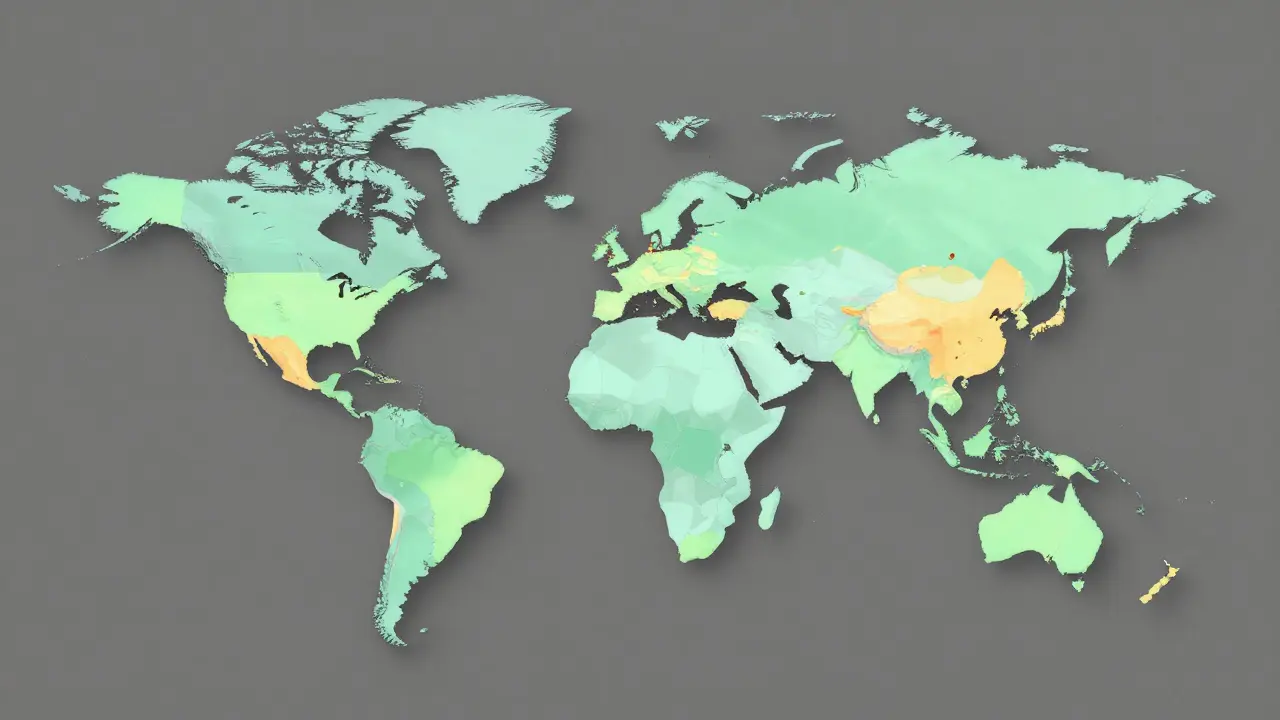
FATF Greylist Countries: Crypto Implications and Restrictions Explained
A detailed breakdown of FATF greylist and blacklist countries, analyzing their specific implications for cryptocurrency operations, compliance requirements for VASPs, and future outlook for 2026 regulations.
Details +
What Is Shiba Inu (SHI) Crypto Coin - Complete Guide 2026
Explore what the SHI token is, its role as a stablecoin in the Shiba Inu ecosystem, and how it compares to USDC on the Shibarium Layer-2 network.
Details +
SWAPP Protocol Airdrop Details: Status, Verification, and Safety Guide for 2026
A comprehensive guide to the SWAPP Protocol airdrop in 2026, covering safety checks, expected mechanics, and how to avoid scams in the volatile crypto landscape.
Details +
How Bangladeshis Access Crypto Exchanges with VPN Safely
Navigate crypto trading safely in Bangladesh using secure VPNs to bypass geo-restrictions and protect your privacy under the Digital Security Act.
Details +
Anti-money laundering crypto enforcement in Bangladesh: Rules, Risks, and Reality
Bangladesh enforces strict anti-money laundering rules against cryptocurrency, relying on existing financial laws. While blockchain is accepted for government use, private crypto trading and mining face legal risks and enforcement actions.
Details +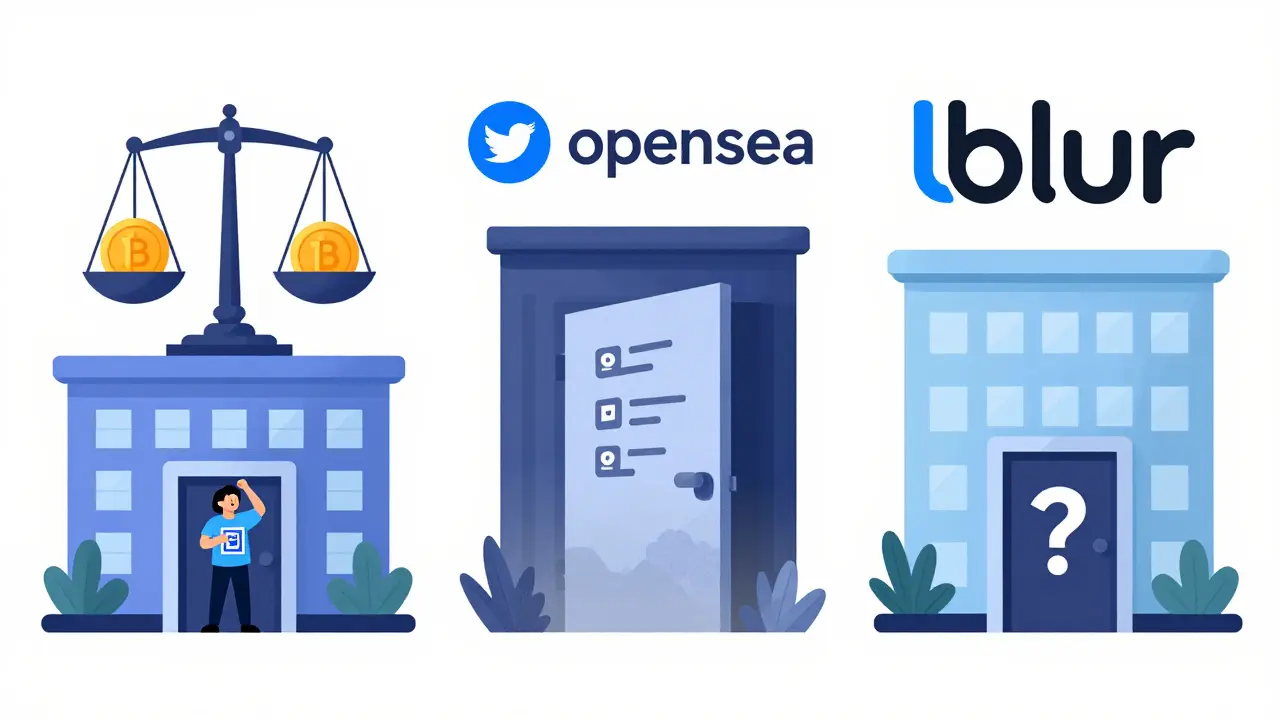
How NFT Marketplaces Verify Collections: Volume, Visibility, and Verification
NFT marketplaces verify collections to stop scams, not to endorse projects. OpenSea, LooksRare, and Blur use different methods - volume, media, or secrecy - leaving creators confused. Here's how it really works.
Details +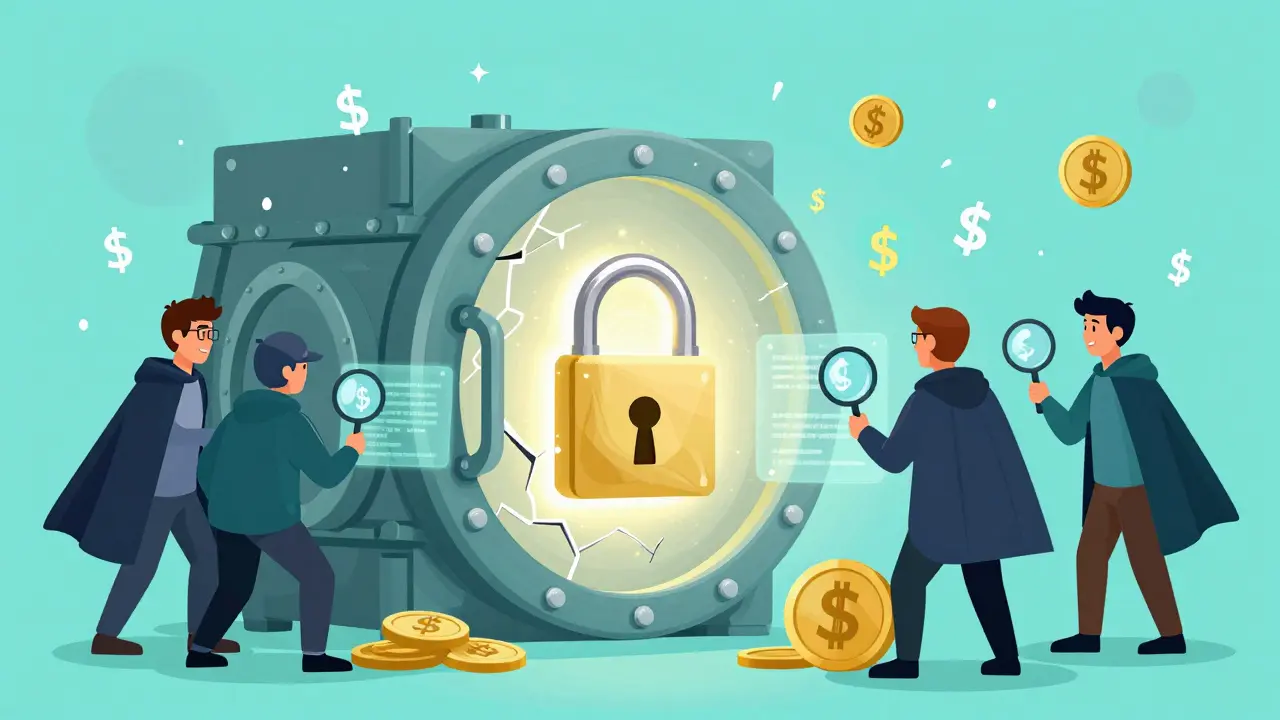
Smart Contract Bug Bounty Programs: How They Prevent Millions in Crypto Losses
Smart contract bug bounty programs pay researchers to find security flaws in blockchain code before hackers can exploit them. With bounties up to $10 million, they're now essential for DeFi projects protecting billions in user funds.
Details +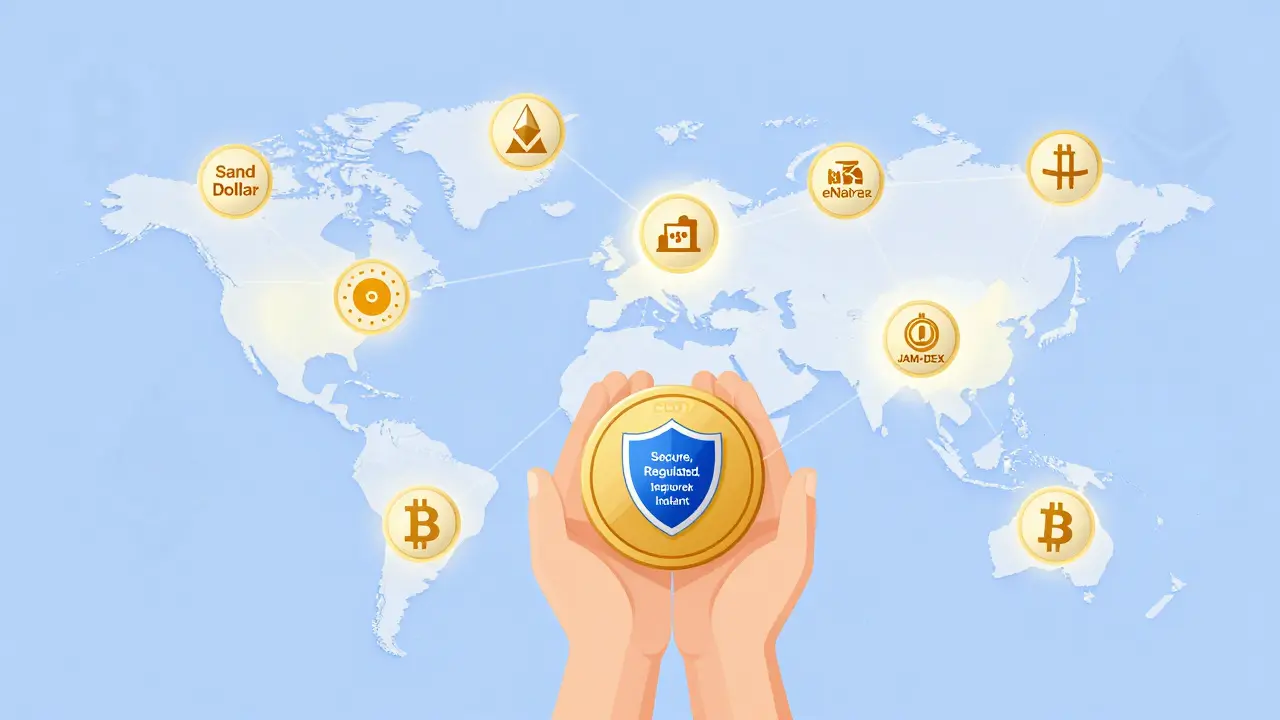
CBDC Development and Private Crypto Competition: How Governments Are Shaping the Future of Money
CBDCs are rapidly expanding worldwide, outpacing private cryptocurrencies in cross-border payments, regulatory compliance, and user accessibility. Governments are building digital currencies that are secure, efficient, and designed for everyday use - reshaping how money works.
Details +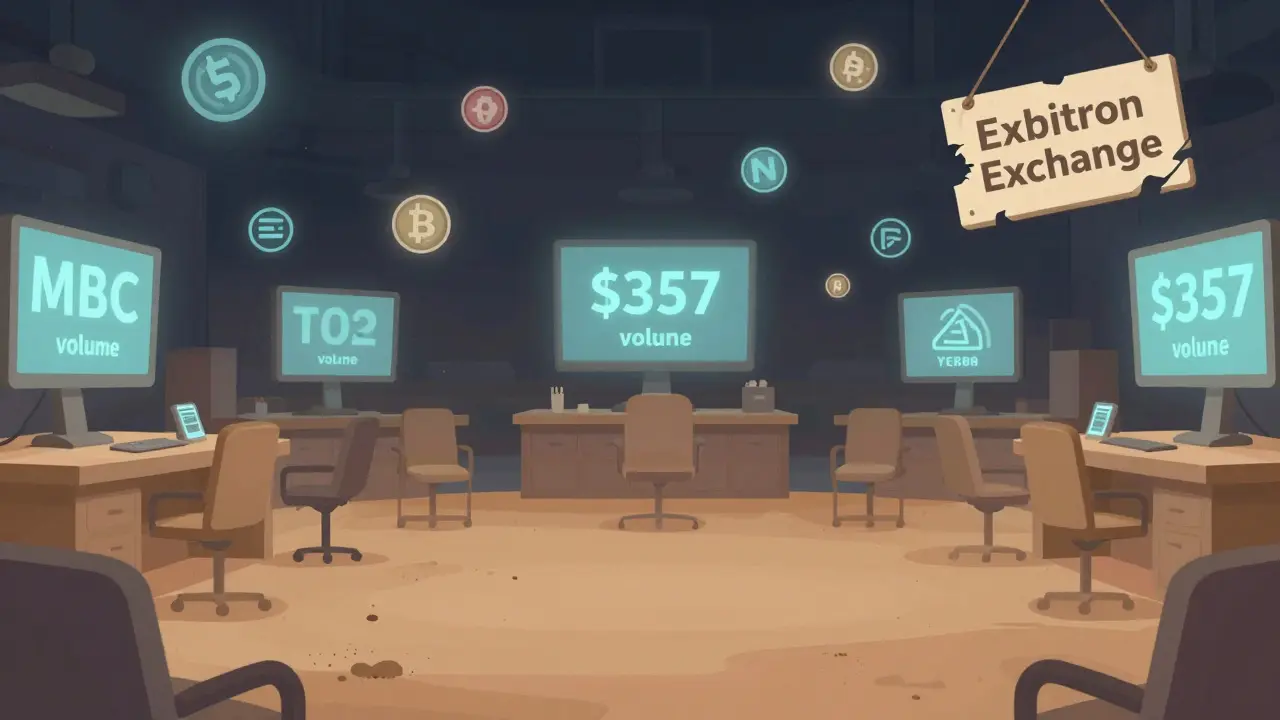
Exbitron Crypto Exchange Review: Risks, Fees, and Why Most Traders Avoid It
Exbitron is a low-volume, unregulated crypto exchange with poor liquidity, high fees, and serious trust issues. Users report frozen withdrawals and zero customer support. Avoid it unless you're trading a token available nowhere else - and even then, proceed with extreme caution.
Details +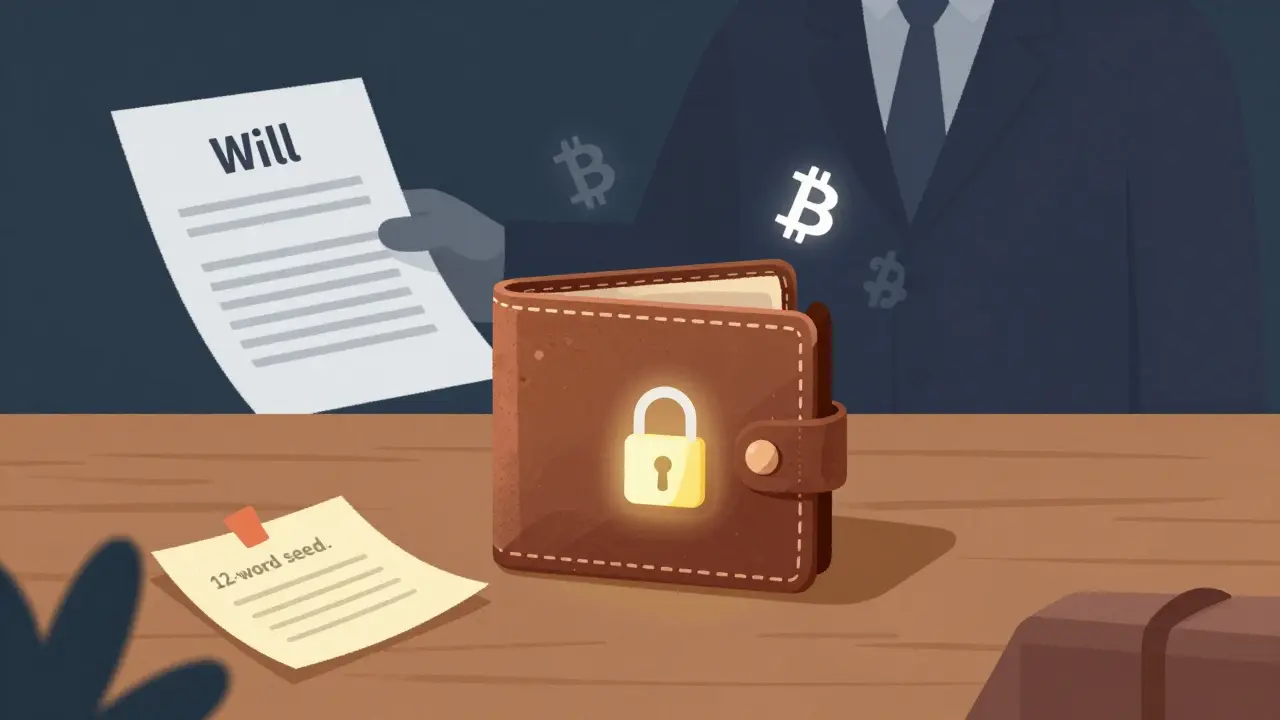
Crypto Inheritance: The Problem Nobody Talks About
Crypto inheritance is a silent crisis: millions in digital assets are lost every year because owners never planned for what happens after death. Here's why it matters and how to fix it.
Details +
What is Duzce Token (DUZCE) Crypto Coin? Fan Token for Düzcespor Explained
Duzce Token (DUZCE) is a fan token for Düzcespor Football Club, letting supporters vote on club decisions, access exclusive merch, and connect with the team. Not an investment - a badge of loyalty.
Details +
SiennaSwap Crypto Exchange Review: Privacy-First DEX for Cosmos and Cross-Chain Users
SiennaSwap is a privacy-first decentralized exchange on Secret Network that eliminates front-running and hides all trade data. Perfect for Cosmos ecosystem users who want true financial confidentiality without sacrificing functionality.
Details +